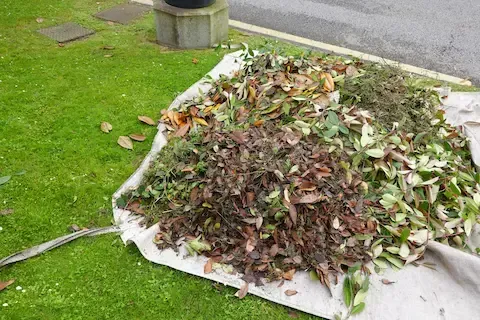
Sorting Yard Debris For Fort Wayne IN Composting Bins
When yard work season wraps up in Fort Wayne, you're often left with piles of leaves, grass clippings, small branches, and general organic material that needs to go somewhere. Composting is one of the most practical options for handling that material—turning what would otherwise be waste into something genuinely useful for your lawn and garden beds. But composting only works well when you sort your yard debris correctly before it goes into the bin. Getting this wrong leads to slow decomposition, bad odors, and a pile that never quite breaks down the way it should.
The Core Principle: Browns and Greens
Every compost pile runs on a simple ratio between carbon-rich materials and nitrogen-rich materials. In composting language, these are called browns and greens. Browns are dry, carbon-heavy materials like dead leaves, small twigs, cardboard, and straw. Greens are nitrogen-rich materials like fresh grass clippings, plant trimmings, vegetable scraps, and coffee grounds.
The ideal ratio is roughly three parts browns to one part greens by volume. When you're sorting yard debris from your Fort Wayne property, mentally categorizing each material into one of these two groups will save you a lot of frustration. A pile with too many greens gets soggy and starts to smell. A pile with too many browns dries out and barely decomposes at all. Balance is everything.
What Fort Wayne Yards Commonly Produce
Fort Wayne's four-season climate means your yard produces different debris at different times of year, and each season brings its own composting considerations.
In fall, you're dealing primarily with leaves—and Fort Wayne produces a lot of them. Leaves are excellent browns, but they mat together when wet, which slows airflow and decomposition. Shredding or running a mower over them before adding them to your bin helps significantly. Whole oak leaves in particular can take a very long time to break down.
Spring and summer generate grass clippings, which are nitrogen-dense greens. They're valuable but need to be layered with browns rather than dumped in all at once. A thick mat of fresh grass clippings can turn into a slimy, anaerobic mess that smells strongly and doesn't compost efficiently. Thin layers work far better.
Pruned branches and woody stems are worth separating out. Anything thicker than a pencil will decompose very slowly in a standard bin. Chipping or shredding them first makes them viable—otherwise, they're better suited for the Allen County solid waste programs or bundled for yard waste pickup.
What to Keep Out of Your Compost Bin
Not all yard debris belongs in a home compost bin, even if it looks organic and harmless. A few materials cause real problems and should be sorted out from the start.
- Diseased plant material: If you've pulled plants that showed signs of fungal disease, blight, or pest infestation, don't compost them. The home compost environment rarely gets hot enough to kill pathogens, and you risk spreading the problem when you apply finished compost.
- Treated wood or painted debris: Sawdust or chips from pressure-treated lumber contain preservatives that don't belong in compost you'll later use near edible plants.
- Weeds that have gone to seed: Composting seed-heavy weeds is risky unless your pile consistently reaches temperatures above 140 degrees Fahrenheit. Most backyard bins don't get that hot, so those seeds survive and germinate when you spread the compost.
- Thick, unshredded branches: As mentioned above, these won't break down in a reasonable timeframe and just take up space.
- Pet waste or meat scraps: These are not yard debris, but people sometimes mix them in. They attract pests and create sanitation problems.
Fort Wayne Yard Waste Pickup and Drop-Off Options
If your composting bin fills up quickly or you have material that isn't suitable for home composting, Fort Wayne offers structured alternatives. The City of Fort Wayne's yard waste collection runs seasonally, typically from spring through fall. Yard waste needs to be placed in paper bags or approved containers at the curb on your scheduled collection day. Plastic bags are not accepted—the material goes to a municipal composting facility where it's processed at a larger scale.
For large volumes of debris after storms or major cleanup projects, understanding your options matters. You can also reference storm debris cleanup steps to better understand how to handle larger volumes of mixed debris efficiently before sorting begins.
Allen County also operates drop-off locations for yard waste during certain periods. If you've accumulated more than curbside pickup can realistically handle, these facilities take leaves, grass, and brush separately.
Practical Sorting Habits That Make Composting Work
Building a sorting habit into your yard work routine removes the guesswork later. As you rake, mow, or prune, try to collect materials into separate piles from the start rather than mixing everything together and attempting to sort it afterward.
Keep a designated spot in your yard—near the compost bin—where browns can accumulate. Bags of fall leaves stored in a dry location serve as a year-round brown source you can draw from every time you add nitrogen-rich kitchen scraps or fresh clippings. This ongoing balance keeps the pile active and odor-free through the summer months in Fort Wayne's humid climate.
Turning your pile regularly also accelerates decomposition. Every two to three weeks, mixing the material introduces oxygen, which speeds up the microbial process significantly. In a Fort Wayne summer, a well-managed bin can produce finished compost in as little as eight to twelve weeks.
When to Call for Debris Removal Help
Some cleanup situations go beyond what a compost bin can handle—particularly after wind events, heavy leaf falls, or property-wide cleanouts. When volume becomes the limiting factor, professional Debris Cleanup services can handle the heavy lifting, separating and hauling material that isn't suitable for composting and leaving you with a clean property without the logistics headache.
Fort Wayne homeowners who manage their own composting consistently find that sorting debris carefully from the beginning saves significant time and produces far better results. A little discipline in the sorting stage pays off every time you spread finished compost across your garden beds in the spring.