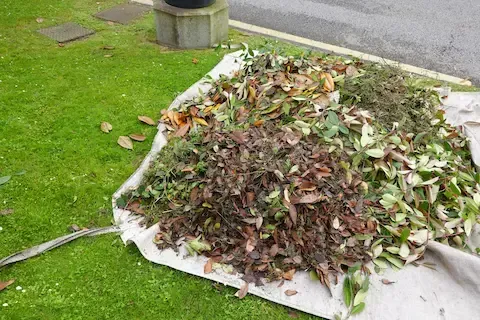
Storm Debris Cleanup Steps For Fort Wayne IN Yards
Fort Wayne yards take a beating during severe weather seasons. Between spring thunderstorms rolling off Lake Erie, summer derecho events, and the occasional ice-weighted branch collapse in late fall, debris accumulation can go from manageable to overwhelming fast. Knowing how to work through the cleanup process in a logical order saves time, protects your property, and helps you avoid turning a storm problem into a landscaping setback.
Walk the Property Before You Touch Anything
The first step after a storm passes is a slow, deliberate walkthrough of your entire yard. Do this before picking up a single branch. You are looking for two categories of concern: immediate hazards and debris volume. Immediate hazards include hanging limbs caught in tree canopies, also called widow-makers, downed power lines or anything touching a downed line, leaning trees with exposed root balls, and branches resting on your roof, fence, or outbuildings.
If you see power lines down or in contact with vegetation, do not approach. Call Indiana Michigan Power and stay clear. AEP Indiana serves most of the Fort Wayne metro, and they maintain emergency response lines specifically for storm events. Do not attempt to remove vegetation from utility lines yourself under any circumstance.
For hanging limbs still suspended in canopy, flag those trees and leave them alone until a certified arborist assesses them. A branch that looks stable can release without warning when temperatures change or wind returns.
Sort and Stage Debris Before You Move It
Once you have identified what is safe to work around, begin sorting debris at the point of collection rather than dragging everything to one pile. Fort Wayne's curbside pickup system, managed through Republic Services on a seasonal storm debris cycle, separates clean wood debris from mixed waste. Keeping materials separated from the start saves significant effort at the end.
Organize into three categories on site:
- Brush and small branches under four inches in diameter — these bundle well and qualify for curbside yard waste collection when tied or placed in approved containers
- Larger limbs and trunk sections — these typically require separate hauling arrangements or a roll-off dumpster rental
- Mixed debris such as shingle fragments, insulation, or fence material mixed with organic material — this goes to a different disposal stream than clean yard waste
Do not mix roofing material or treated lumber into yard waste piles. The city's composting program cannot accept contaminated loads, and doing so may result in the entire pile being rejected at the curb.
Assess Tree and Root Damage Carefully
Surface debris is the visible part of storm damage. The structural part, damage to root systems and main trunks, takes more trained eyes to evaluate. In Allen County, the combination of clay-heavy soils and high water tables means trees often develop shallow root systems. A significant wind event can shift a root plate without toppling the tree, leaving it structurally compromised but upright.
Signs that a tree may need professional evaluation after a Fort Wayne storm include soil heaving at the base, a slight lean that was not present before, bark splitting along the lower trunk, and large crown sections missing that expose the remaining canopy to wind loading. Indiana's certified arborist directory, maintained through Purdue Extension, lists professionals qualified to make these assessments. For Debris Cleanup that involves trees in any of these conditions, it makes sense to have an arborist assess structural risk before a crew moves in with equipment.
Decide Early Between DIY and Contractor
The contractor versus DIY decision point for storm debris is not about effort — it is about equipment access, volume, and liability exposure. If your yard has clean, accessible debris with no structural hazards and the total volume fits in a few trash containers, DIY is reasonable. If any of the following apply, hiring a contractor is the more sensible route:
- Debris is over or against structures
- Limbs are lodged in canopy overhead
- Root systems are compromised on large trees adjacent to your home
- Volume exceeds what curbside pickup can handle within your municipality's current storm debris program
- You have no way to haul bulk material to a disposal site
Fort Wayne sees contractor demand spike sharply after large wind events, particularly the kind of straight-line wind events that move through Allen County every few years. Calling early in the post-storm window gives you more scheduling options and often better pricing before demand pushes availability out. You can also check the debris cleanup planning reference for guidance on preparing before storm season so decisions are easier when the need arises.
Common Mistakes That Make Cleanup Worse
Several patterns come up repeatedly after Fort Wayne storm events that turn manageable cleanup into multi-week projects or insurance complications.
Moving debris before documenting it is one of the most common. Take photos of all damage in place before cleanup begins. If you have a homeowner's insurance claim, you need visual evidence of the original condition. Moving everything to the curb before an adjuster or contractor walks the property can complicate your claim.
Leaving cut wood stacked against the house is another frequent problem. Brush and timber piles against a foundation create moisture traps and attract carpenter ants, which are a persistent structural pest problem in the greater Fort Wayne area. Stage cut debris away from structures and move it to curbside or a hauling site promptly.
Skipping the soil inspection around recently moved trees is also overlooked. If a tree was pushed but not toppled, the area around the root ball needs to be monitored for settlement over the following weeks. Rehydration of disturbed soil after storm events can cause secondary settling that affects grading near foundations.
Wrap Up Before the Next Weather Window
Allen County's storm season does not come with long gaps between events. Late spring and early summer frequently deliver multiple severe weather episodes within weeks of each other, and leaving debris staged in the yard increases the hazard profile for the next storm. Loose material becomes projectile risk in high winds. Brush piles catch and hold water that attracts mosquitoes, which are a real nuisance and health consideration across northeast Indiana during warm months.
Finishing cleanup fully before the next likely weather window — rather than partially completing and returning to it — is the single most effective way to keep storm recovery from compounding. If the volume is more than you can reasonably move in a weekend, schedule a hauling service or debris crew earlier rather than letting it sit. Fort Wayne's climate does not leave much grace time between storm events during peak season, and a clean yard going into the next front is always the better position.