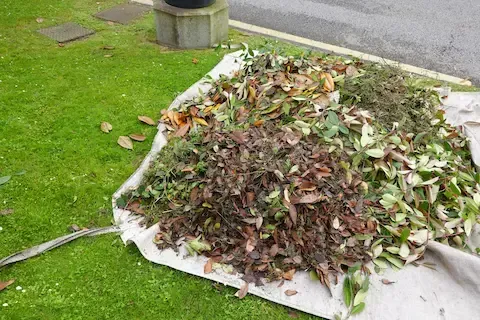
Fort Wayne IN Debris Cleanup Property Owner Reference
Property owners in Fort Wayne face ongoing challenges with yard debris accumulation throughout the growing season. From spring storm damage to fall leaf collection, managing organic waste requires systematic approaches that balance environmental responsibility with practical disposal needs. Professional debris cleanup services handle everything from small branch loads to major storm cleanup, sorting materials into appropriate disposal or recycling streams.
Types of Debris Requiring Professional Cleanup
Storm debris presents the most urgent cleanup needs for Fort Wayne property owners. High winds and severe weather can deposit large branches, uprooted shrubs, and scattered organic matter across residential and commercial properties. These materials often exceed normal waste collection limits and require specialized handling equipment for safe removal.
Routine maintenance debris includes grass clippings, pruned branches, and seasonal leaf accumulation. While smaller volumes than storm damage, these materials require consistent management to prevent property appearance issues and potential pest problems. Professional services can establish regular collection schedules that align with seasonal debris production patterns.
Construction and renovation projects generate woody debris from tree removal, landscape demolition, and site preparation activities. This material often includes mixed debris types requiring separation before disposal, making professional assessment valuable for determining the most cost-effective removal approach.
Seasonal Debris Management Considerations
Spring cleanup focuses on winter damage assessment and preparation for growing season maintenance. Ice and snow damage often creates debris loads that accumulated over several months, requiring comprehensive property evaluation to identify all affected areas. Early season cleanup prevents debris from interfering with new growth and allows for proper landscape recovery planning.
Summer debris management emphasizes routine maintenance waste and storm response capabilities. Regular mowing, pruning, and landscaping activities generate consistent debris volumes that benefit from established collection protocols. Storm preparedness becomes critical during Fort Wayne's severe weather season, with rapid response capabilities essential for property protection.
Fall cleanup represents the year's largest debris volume period. Leaf collection, final pruning before dormancy, and winterization activities create substantial organic waste loads. Professional services can coordinate multiple collection passes and provide specialized equipment for efficient large-volume removal.
Winter debris primarily involves storm damage response and ice-related cleanup. While overall volumes decrease, the urgency of storm damage removal increases due to safety concerns and potential property damage from fallen branches or debris-blocked drainage systems.
Debris Sorting and Disposal Methods
Compostable materials include leaves, grass clippings, and small woody debris that can be processed into valuable soil amendments. Debris cleanup services sort these materials on-site when possible, reducing disposal costs and supporting sustainable waste management practices. Proper composting requires attention to material ratios and processing capabilities.
Recyclable woody materials encompass branches and larger wood pieces suitable for chipping or biomass applications. These materials require different handling than compostable debris and often command better disposal rates when properly sorted. Professional services maintain relationships with local processing facilities that accept various woody debris types.
Non-recyclable debris includes diseased plant material, invasive species, and contaminated organic matter requiring special disposal protocols. These materials cannot be composted or recycled safely and must be directed to appropriate disposal facilities. Professional identification of such materials prevents contamination of recyclable debris streams.
Volume Assessment and Equipment Requirements
Small debris loads under one cubic yard typically suit standard collection equipment and may qualify for regular waste service integration. Property owners can often manage scheduling flexibility with these volumes, allowing for cost-effective removal timing coordination.
Medium debris loads between one and five cubic yards require specialized collection equipment and dedicated service calls. These volumes exceed standard waste collection capabilities but remain manageable with standard debris removal equipment and single-trip collection protocols.
Large debris loads exceeding five cubic yards necessitate multiple trips or specialized high-capacity equipment. Storm damage cleanup often generates these volumes, requiring immediate response capabilities and efficient removal strategies to minimize property disruption.
Common Debris Management Mistakes
Mixing debris types creates disposal complications and increases costs unnecessarily. Property owners who combine compostable leaves with non-organic materials or diseased plant matter with healthy debris face higher disposal fees and lose opportunities for beneficial reuse of organic materials.
Delaying storm damage cleanup allows secondary damage to develop and complicates removal efforts. Fallen branches can damage underlying vegetation, create drainage problems, or pose safety hazards that worsen over time. Immediate professional assessment prevents minor storm damage from becoming major property issues.
Attempting to handle large debris volumes without proper equipment leads to incomplete cleanup, property damage from dragging heavy materials, and safety risks from lifting or cutting activities beyond homeowner capabilities. Professional equipment prevents these problems while ensuring complete debris removal.
Ignoring disposal regulations can result in citations and improper waste handling. Fort Wayne has specific requirements for various debris types, and professional services maintain current knowledge of all applicable regulations and disposal facility requirements.
Fort Wayne Local Debris Regulations
The City of Fort Wayne maintains specific guidelines for residential debris disposal that affect property owner responsibilities. Yard waste collection occurs seasonally with designated pickup schedules that vary by neighborhood location. Understanding these schedules helps property owners coordinate professional services with municipal collection opportunities.
Commercial properties face different debris disposal requirements than residential locations, often requiring private collection services for all organic waste. Professional debris cleanup services understand these distinctions and can ensure compliance with applicable regulations while minimizing disposal costs through proper material handling.
Storm damage creates emergency conditions that may temporarily modify normal debris collection protocols. The city often establishes special collection procedures following severe weather events, and professional services coordinate with these emergency programs to maximize cost-effective debris removal for property owners.
Burn restrictions in Fort Wayne limit on-site debris disposal options for most properties. Professional removal services provide alternatives that comply with local air quality regulations while still managing debris disposal costs effectively through appropriate facility selection.
Professional Service Selection Criteria
Equipment capabilities determine service effectiveness for different debris types and volumes. Professional services should maintain trucks, chippers, and specialized collection equipment appropriate for the full range of debris cleanup scenarios. This equipment inventory directly affects response times and completion efficiency.
Disposal facility relationships impact cost-effectiveness and environmental responsibility of debris removal. Services with established partnerships at multiple disposal and recycling facilities can optimize material routing for both cost savings and sustainable practices.
Response time capabilities become critical during storm damage situations when debris poses immediate safety hazards or prevents property access. Professional services should maintain emergency response protocols that prioritize urgent cleanup needs while managing routine service scheduling.
Insurance and licensing requirements protect property owners from liability during debris removal activities. Professional services should carry appropriate insurance coverage for equipment operation and property protection, plus maintain all required local business licenses for waste handling activities.
Cost Factors and Budget Planning
Debris volume represents the primary cost factor in professional cleanup services, with pricing typically structured around cubic yardage or truck load measurements. Property owners benefit from accurate volume estimates before service scheduling to avoid unexpected costs or inadequate service capacity.
Disposal fees vary significantly based on debris type and destination facility requirements. Compostable materials often incur lower disposal costs than general yard waste, while diseased or contaminated materials may require special handling that increases disposal expenses.
Access difficulties can increase service costs when debris location requires additional labor or specialized equipment for removal. Properties with limited truck access, steep terrain, or obstacles affecting normal collection procedures typically face higher per-volume rates.
Seasonal demand affects pricing and availability for debris cleanup services. Spring storm cleanup and fall leaf removal periods see higher demand that may impact both costs and service scheduling flexibility. Advanced planning helps property owners secure appropriate service timing at more favorable rates.
Environmental Impact and Sustainability
Proper debris sorting maximizes environmental benefits through appropriate material recovery and recycling programs. Professional services can identify opportunities for material reuse that individual property owners might miss, contributing to overall waste reduction and resource conservation.
Local composting programs benefit from properly sorted organic debris that meets facility requirements for processing. Edging and trimming overview activities generate materials particularly suitable for composting when collected separately from other debris types.
Carbon footprint reduction results from efficient debris collection routes and appropriate disposal facility selection. Professional services can optimize transportation efficiency and select processing facilities that minimize environmental impact through proximity and processing methods.
Soil health improvement occurs when organic debris returns to beneficial use through composting or mulching programs. Property owners participating in these programs contribute to local soil conservation efforts while reducing disposal costs for organic waste materials.
Long-term Property Maintenance Integration
Regular debris removal schedules support overall landscape health by preventing accumulation that can harbor pests, disease organisms, or invasive plant species. Professional services can establish maintenance schedules that coordinate debris removal with other landscape care activities for optimal property management.
Storm preparedness planning includes debris removal capability assessment and emergency service arrangements. Properties with established professional service relationships typically experience faster storm damage response and more efficient cleanup coordination during emergency conditions.
Landscape renovation projects benefit from coordinated debris removal that handles both existing material removal and ongoing construction waste management. Professional services can provide comprehensive cleanup support throughout multi-phase landscape improvement projects.
Seasonal transition management becomes more efficient with professional debris removal integrated into comprehensive property care programs. This integration allows for optimized scheduling, consistent service quality, and long-term cost management for ongoing debris disposal needs.