String Trimmer vs. Blade Edger: What Works in Fort Wayne
String trimmers use rotating nylon line to cut grass and weeds, while blade edgers use sharp metal discs to create precise cuts along walkways and driveways. In Fort Wayne's clay-heavy soil conditions, blade edgers typically produce cleaner, more defined edges that last longer than string trimmer results. The dense Allen County soil requires the cutting power of a blade edger for professional-looking lawn borders, though string trimmers work well for general trimming around obstacles and maintaining established edges between professional services.
What's the difference between string trimmers and blade edgers?
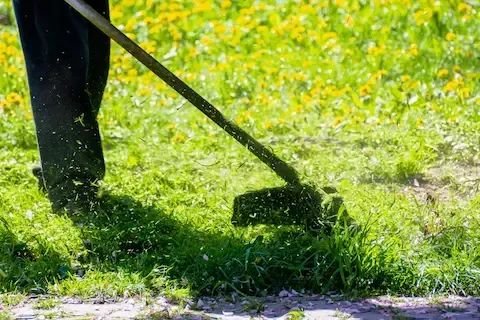
String trimmers, also called weed eaters, use a spinning head with flexible nylon string to cut grass and weeds. The rotating line whips against vegetation at high speed, severing it through impact rather than cutting. These tools excel at trimming around trees, fence posts, and irregular shapes where a mower cannot reach.
Blade edgers feature a sharp metal disc that spins vertically, slicing through grass roots and soil to create defined borders. The blade cuts deep enough to separate lawn areas from walkways, driveways, and garden beds. This cutting action creates a crisp edge that prevents grass from growing over hard surfaces.
The fundamental difference lies in their cutting mechanisms and intended results. String trimmers maintain existing edges and handle detail work, while blade edgers establish new edges and restore overgrown borders.
Which tool works better in Fort Wayne's soil conditions?
Fort Wayne's clay-heavy soil presents unique challenges for lawn edging equipment. The dense, compacted nature of Allen County soil requires more cutting power than sandy or loamy soils found in other regions. Clay soil becomes especially difficult to penetrate when dry, and sticky when wet.
Blade edgers perform significantly better in these conditions because their metal discs can slice through compacted clay and cut grass roots cleanly. The weight and power of blade edgers help drive the cutting disc through resistant soil, creating edges that penetrate deep enough to prevent rapid grass regrowth.
String trimmers struggle with clay soil because the flexible line cannot penetrate compacted earth effectively. The string may bounce off hard clay surfaces or tear grass rather than cutting it cleanly. This results in ragged edges that allow grass to quickly re-establish itself across walkways and driveways.
Professional Edging And Trimming services in the area typically use blade edgers for initial edge creation and major restoration work, then maintain those edges with string trimmers between visits.
When should you use each tool?
Blade edgers work best for establishing new edges along sidewalks, driveways, and garden borders. Use them when grass has grown over hard surfaces or when creating definition between different landscape areas. They excel at spring cleanup when winter has allowed grass to encroach on walkways.
String trimmers handle maintenance tasks more efficiently. Use them for regular touch-ups around established edges, trimming grass around trees and posts, and cleaning up areas where mowers cannot reach. They work well for weekly maintenance of edges already defined by blade edgers.
Consider seasonal timing when choosing tools. Early spring often requires blade edger work to redefine winter-damaged edges, while mid-season maintenance typically relies on string trimmer efficiency.
What mistakes do Fort Wayne homeowners make with edging tools?
Many homeowners attempt to create new edges with string trimmers, leading to frustration and poor results. String trimmers cannot establish clean lines in dense clay soil, resulting in ragged edges that require frequent re-work.
Another common mistake involves using blade edgers too frequently. Over-edging can damage concrete and asphalt surfaces, and creates unnecessarily wide gaps between lawn and hardscape. Most established edges need blade edger attention only 2-3 times per growing season.
Timing errors also plague DIY edging efforts. Working clay soil when too wet creates muddy messes and damages soil structure. Edging when soil is too dry requires excessive force and produces dusty, uneven results.
Equipment maintenance neglect causes both tools to perform poorly. Dull blade edger discs tear rather than cut, while worn string trimmer line creates ragged edges that invite rapid regrowth.
How do local lawn care professionals approach edging?
Professional lawn services in the Fort Wayne area typically maintain both types of equipment to handle different situations appropriately. They use blade edgers for major edge restoration and new edge creation, particularly during spring cleanup and fall preparation.
String trimmers handle weekly maintenance visits, keeping established edges clean without the time investment required for blade edger setup and operation. This combination approach delivers professional results while maintaining efficiency.
Local professionals understand Allen County soil conditions and adjust their timing accordingly. They schedule blade edging when soil moisture levels allow clean cuts without excessive resistance or muddy conditions.
Many professional services coordinate their approach with property owners, explaining which edges need blade work versus string trimmer maintenance. This education helps homeowners understand why some visits involve different equipment and techniques than others.
What factors should influence your tool choice?
Consider your property's specific characteristics when selecting edging tools. Properties with extensive hardscape borders benefit from owning a blade edger, while those with mainly landscape bed borders may manage well with string trimmers alone.
Physical capabilities matter significantly. Blade edgers require more strength and control than string trimmers, especially when working in clay soil. Homeowners with mobility limitations often find string trimmers more manageable for regular maintenance.
Budget considerations include both initial cost and ongoing maintenance. String trimmers cost less initially and require only replacement line, while blade edgers involve higher purchase prices and periodic blade sharpening or replacement.
Professional lawn edging and trimming service in Fort Wayne may prove more cost-effective than tool ownership for homeowners who edge infrequently or prefer to avoid equipment maintenance responsibilities.
How do these tools impact long-term lawn health?
Proper edging with appropriate tools supports overall lawn health by preventing grass from spreading into undesired areas. Clean edges reduce competition for water and nutrients along borders, allowing grass to thrive in designated areas while keeping hardscape surfaces clear.
Blade edgers create edges that last longer between maintenance sessions, reducing the frequency of edging work needed throughout the growing season. This efficiency benefits both lawn health and maintenance schedules.
String trimmer maintenance keeps edges defined without the soil disruption that frequent blade edging can cause. This gentler approach works well for maintaining the crisp appearance blade edgers create.
Both tools, when used appropriately for Fort Wayne's unique soil conditions, contribute to lawns that enhance property appearance while requiring reasonable maintenance effort throughout the growing season.