Lawn Edging in Fort Wayne, IN: Timing and Technique
A well-defined lawn edge transforms your Fort Wayne property from ordinary to exceptional. Sharp, clean lines between your grass and walkways, driveways, or flower beds create the polished look that distinguishes professional landscaping from weekend maintenance. In Northeast Indiana's variable climate, proper timing and technique make the difference between edges that enhance your curb appeal and those that struggle against our seasonal challenges.
Understanding Fort Wayne's Edging Season
Fort Wayne's climate presents unique opportunities and challenges for lawn edging. Your optimal edging window begins in late April when soil temperatures consistently reach 55 degrees and extends through early October. During this period, grass actively grows and recovers quickly from edging cuts, while cooler soil temperatures prevent excessive stress on your lawn's root system.
Spring edging sets the foundation for your entire growing season. As soon as your grass begins its first flush of growth, typically mid to late April in Allen County, establish your initial edge lines. This timing allows you to work with softer, more manageable soil while giving your grass the full growing season to develop strong root systems along the new boundaries.
Summer maintenance requires more frequent attention, with most Fort Wayne lawns benefiting from edging every two to three weeks during peak growing periods in June and July. The intense growing conditions during these months mean edges blur quickly, but they also heal rapidly when properly maintained.
Fall edging serves a different purpose than spring establishment. Your final edging session in early October creates clean lines that will hold their shape through winter dormancy, giving you a head start on next year's growing season. Avoid late fall edging after mid-October, as grass enters dormancy and cannot recover effectively from cutting stress.
Choosing the Right Edging Technique
Manual edging with a half-moon spade remains the gold standard for creating precise, long-lasting edges in Fort Wayne's clay-heavy soils. This technique works particularly well with our soil composition because it allows you to cut cleanly through tough clay and established root systems without creating the ragged tears that power tools sometimes produce in dense soil conditions.
When using manual techniques, work with slightly moist soil for optimal results. Fort Wayne's clay soil becomes unworkably hard when completely dry and creates muddy messes when oversaturated. The ideal soil condition feels firm but yields to moderate pressure, typically occurring 24 to 48 hours after moderate rainfall or deep watering.
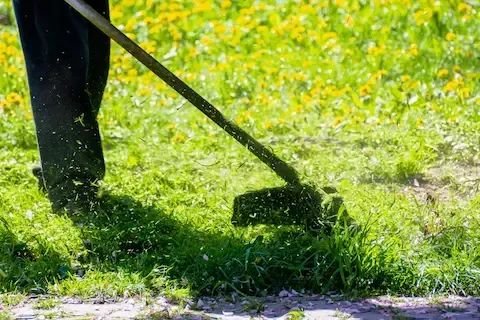
Power edging tools excel in different situations around Fort Wayne properties. String trimmers with edging capabilities work well for maintaining established edges and handling irregular curves around landscaping features. They prove particularly valuable along the decorative stonework and irregular garden borders common in Fort Wayne's older neighborhoods.
Dedicated power edgers create the cleanest cuts for straight lines along driveways and sidewalks. These tools work especially well on the concrete and asphalt surfaces typical in Fort Wayne subdivisions, where consistent depth and angle matter most for professional appearance.
Soil and Grass Considerations
Fort Wayne's predominant clay soil requires specific approaches to edging success. Clay holds its shape well once cut, meaning properly executed edges last longer than in sandy soils. However, clay also compacts easily and can become nearly impossible to cut when dry. Plan your edging for times when soil moisture supports clean cutting without creating compaction damage.
Cool-season grasses dominate Fort Wayne lawns, with Kentucky bluegrass, tall fescue, and perennial ryegrass forming the backbone of most residential landscapes. These grasses respond well to spring and fall edging but require careful attention to cutting height and frequency during summer stress periods.
Kentucky bluegrass, popular throughout Allen County, spreads through underground rhizomes and recovers quickly from edging cuts when conditions support active growth. However, this grass type struggles with edging during hot, dry periods and benefits from reduced maintenance frequency during July and August stress periods.
Tall fescue tolerates edging stress better than other cool-season varieties and maintains edge definition longer due to its bunch-type growth habit. Properties with tall fescue lawns can often extend time between edging sessions while maintaining crisp appearance.
Common Edging Mistakes in Fort Wayne
Overwatering before edging creates one of the most common problems for Fort Wayne property owners. While moist soil cuts more easily than bone-dry clay, waterlogged conditions create muddy messes and can damage both your lawn and your tools. Aim for soil that feels slightly moist but doesn't stick to your boots or tools.
Cutting too deeply damages grass root systems and creates maintenance problems throughout the growing season. In Fort Wayne's clay soil, edges deeper than two to three inches often fill with water during heavy rains, creating perfect conditions for disease and pest problems. Shallow, consistent cuts prove more effective than dramatic deep cuts.
Ignoring seasonal growth patterns leads to either overworked lawns or overgrown edges. Many Fort Wayne property owners apply the same edging schedule year-round, not accounting for the dramatic differences between spring growth spurts and summer dormancy periods.
Failing to clean up debris after edging creates ongoing problems. Grass clippings and soil scattered on driveways and sidewalks don't just look unprofessional; they can stain concrete and create slippery conditions during Fort Wayne's frequent spring and summer rain showers.
Weather and Timing Considerations
Fort Wayne's unpredictable spring weather requires flexible edging schedules. Late freezes can damage freshly cut grass edges, while early warm spells can trigger growth before soil conditions support proper edging technique. Monitor both soil temperature and weather forecasts when planning your first edging session of the year.
Summer thunderstorms common to Northeast Indiana affect edging timing in multiple ways. Heavy rains soften soil for easier cutting but can also create waterlogged conditions that damage equipment and lawn health. Plan edging for stable weather periods with at least 24 hours of clear conditions both before and after your planned work.
Drought conditions, increasingly common during Fort Wayne summers, require modified edging approaches. Avoid edging stressed lawns during extended dry periods, as cutting stressed grass can cause permanent damage. When edging becomes necessary during drought, work in early morning hours when grass holds maximum moisture content.
Wind conditions impact edging effectiveness, particularly when using power tools. Fort Wayne's open prairie landscape creates consistent breeze conditions that can scatter debris and affect precision with string trimmers and blowers. Edging And Trimming professionals work with these conditions by adjusting technique and timing for optimal results.
Equipment Selection and Maintenance
Tool selection depends on your property size, soil conditions, and maintenance goals. For most Fort Wayne residential properties, a combination approach works best: manual tools for establishing new edges and precision work, power tools for maintenance and large areas.
Manual half-moon spades require specific features for Fort Wayne's soil conditions. Choose tools with sharp, durable steel blades that can penetrate clay soil without bending or dulling quickly. Ergonomic handles reduce fatigue during extended use, particularly important when working with our dense soil conditions.
String trimmers suitable for edging need adequate power for Fort Wayne's tough grass types and clay soil. Look for models with adjustable heads that can rotate for vertical edging positions and variable speed controls that allow precise work around delicate landscaping features.
Blade maintenance becomes critical in Fort Wayne's abrasive clay soil conditions. Sharp blades cut cleanly and require less effort, while dull blades tear grass and create ragged edges that invite disease and pest problems. Plan on more frequent sharpening and replacement than manufacturers typically recommend for sandy soil conditions.
Professional vs. DIY Considerations
Professional edging services bring specialized equipment and expertise particularly valuable for Fort Wayne property owners dealing with challenging soil conditions and climate variability. Professionals understand local grass types, soil conditions, and timing requirements that ensure optimal results without lawn damage.
DIY edging works well for smaller properties and property owners who enjoy hands-on lawn care. Success requires investment in quality tools, understanding of local conditions, and consistent maintenance schedules that adapt to Fort Wayne's variable growing conditions.
Property size and complexity influence the professional vs. DIY decision significantly. Large properties with extensive landscaping, multiple grass types, or challenging terrain benefit from professional expertise and equipment capabilities. Smaller, simpler landscapes may not justify professional service costs.
Time availability plays a crucial role in this decision. Proper edging requires consistent timing and attention to detail that busy property owners may struggle to maintain. Professional lawn care services ensure consistent results regardless of your personal schedule constraints.
Maintaining Your Edges Through the Season
Successful edge maintenance in Fort Wayne requires adapting your approach to seasonal growing patterns and weather conditions. Early season establishment creates the foundation, but consistent maintenance throughout the growing season preserves your investment in time and effort.
Monitor edge definition weekly during peak growing periods, typically May through July in Northeast Indiana. Look for grass encroachment into walkways, mulch beds, or other defined areas. Address minor encroachment immediately rather than waiting for major restoration needs.
Seasonal transitions require modified maintenance approaches. Spring cleanup includes removing winter debris and redefining edges softened by freeze-thaw cycles. Summer maintenance focuses on controlling aggressive growth while managing heat stress. Fall preparation creates clean lines that will hold through dormancy and provide clean starting points for next year.
Weather adaptation keeps your edges looking professional regardless of Fort Wayne's variable conditions. Adjust edging frequency based on growing conditions, soil moisture, and grass health. During stress periods, extend time between sessions to avoid damaging already stressed grass systems.