Summer Tree Debris in Fort Wayne: Sticks and Seeds
Fort Wayne's mature tree canopy is one of the city's great assets — but it comes with a catch. From June through August, those same oaks, maples, and cottonwoods that shade your yard are constantly shedding. Sticks snap off in summer storms, seed pods spiral down from maples, and cottonwood fluff drifts across every surface it can find. If you've ever looked out at your lawn after a July thunderstorm and wondered where all that debris came from, you already know the problem. Summer tree debris is a real and ongoing maintenance challenge for Fort Wayne homeowners.
What Fort Wayne Trees Drop in Summer
Different species contribute different types of debris, and most Fort Wayne yards have several of them working at once. Silver and red maples — extremely common throughout neighborhoods like Aboite, Southwest Allen County, and the older streets near Spy Run Creek — drop their samaras (the winged seeds most people call helicopters) heavily in late spring and early summer. By mid-June, a single silver maple can cover a lawn in thousands of them.
Cottonwood trees, plentiful along Fort Wayne's river corridors and many older residential areas, release their cottony seed masses in late May through June. This white fluff collects in fence corners, clogs gutters, and mats down over grass if it isn't cleared regularly. Oak trees shed small twigs and early acorn drop begins by late July in Allen County. Locust trees drop seedpods that remain stiff and stick-like well into fall. Even ornamental trees like crabapples and ornamental pears drop fruit and twigs throughout summer months.
The result is a yard that never really reaches a clean baseline from Memorial Day through Labor Day. You clear it once, and within a week the cycle starts again.
Why Summer Debris Is More Than an Eyesore
It's easy to treat scattered sticks and seeds as a cosmetic issue — something to deal with before company comes over. But summer tree debris creates genuine lawn health problems that compound over time.
When maple samaras and seed pods pile up in patches, they block sunlight from reaching the grass below. Fort Wayne summers are humid enough that this combination of moisture and debris blocking airflow becomes an invitation for fungal issues. Grass weakened under debris layers in July can be slow to recover even with good fall care.
Sticks and larger twigs create mowing hazards. Running a mower over a half-inch stick does nothing dramatic, but it dulls blades faster and can throw debris at high speed. If you're mowing around children or pets, that's a meaningful safety issue. Larger branches — even small ones around an inch in diameter — can catch in mower decks and cause real equipment damage.
There's also the matter of seed germination. Maple seeds are viable and will germinate in your lawn and landscape beds if given the opportunity. Regular cleanup prevents volunteer seedlings from establishing in places you don't want them. Left unchecked through a full summer, maple seedlings can root deeply enough to require hand-pulling by fall.
How Often Fort Wayne Yards Need Summer Debris Clearing
The honest answer depends on your tree coverage and species mix, but for most Fort Wayne properties with mature shade trees, debris accumulates faster than a once-a-month clearing schedule can manage. A more realistic cadence during peak shedding months — May through July — is every one to two weeks.
After significant wind events or summer thunderstorms, which Fort Wayne sees regularly through June and July, an additional pass is often warranted. Even a 30-minute storm can leave a yard covered in downed twigs, stripped leaves, and scattered debris that wasn't there the day before.
For homeowners with heavy cottonwood coverage, the window between a clean yard and one covered in white fluff can be less than 48 hours during peak shed season. Building debris clearing into your regular lawn maintenance routine — rather than treating it as an occasional project — is the most practical approach.
Practical Cleanup Methods for Different Debris Types
Different debris calls for different tools and approaches. For seed pods and samaras, a standard leaf rake works, though a wider lawn rake with flexible tines moves more material faster over open grass. Avoid using a leaf blower in dry, windy conditions, as you may simply redistribute the debris across neighboring lawns or into garden beds.
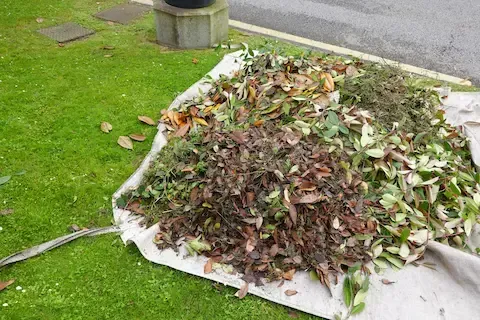
For sticks and small branches, hand-gathering into yard waste bags remains the most reliable method. For larger accumulations after storms, tarps can speed the process — rake or gather debris onto a tarp, then drag the tarp to a central pile for bagging or curbside pickup. Fort Wayne Utilities does offer yard waste collection, so keeping debris bagged in paper yard waste bags keeps you compliant with local disposal requirements.
Cottonwood fluff is best addressed early. Once it mats down into turf or gets wet, it clumps and is far harder to remove than when it's still loose. A dry rake or leaf blower pass during the peak shed window, done every few days, prevents significant accumulation.
For ongoing yard cleanliness, Debris Cleanup services can be scheduled on a recurring basis so debris doesn't pile up between visits.
Connecting Summer Cleanup to Year-Round Lawn Health
Summer debris management is one piece of a larger cleanup picture. Many Fort Wayne homeowners focus heavily on spring and fall as the primary debris seasons — and those are intensive periods — but letting summer slide often means starting fall in a worse position than necessary.
Grass that has been repeatedly shaded and matted by summer debris going into September is less vigorous heading into fall overseeding or aeration windows. Conversely, a lawn that has been kept consistently clear through summer arrives at fall in better shape and is more responsive to fall lawn care investments.
Thinking about your yard debris cleanup schedule in Fort Wayne as a continuous year-round practice — not a series of isolated seasonal events — produces better results and less catch-up work at any given point in the year.
When to Call for Help
For many Fort Wayne homeowners, summer yard work competes with vacations, kids' activities, and the general desire to actually enjoy the season rather than spend every weekend doing maintenance. If debris is accumulating faster than you can realistically manage, or if you have multiple large trees contributing different debris types on overlapping schedules, professional help is worth considering.
A recurring cleanup service can keep your yard in a consistent state without requiring you to track shed cycles, haul bags, or schedule equipment. Particularly for properties in established neighborhoods throughout Fort Wayne and Allen County — where 40- and 50-year-old maples and oaks are the norm — the volume of summer debris genuinely warrants regular professional attention rather than heroic solo efforts every few weeks.
Your trees aren't going to stop shedding. The practical response is building a cleanup approach that matches what your yard actually produces, and staying ahead of accumulation rather than chasing it.