Yard Debris Cleanup in Fort Wayne, IN: What to Know
Fort Wayne homeowners face unique challenges when it comes to yard debris management throughout the changing seasons. Between the heavy leaf falls of autumn, winter storm damage, and spring cleanup needs, maintaining a debris-free landscape requires consistent attention and proper removal techniques. Understanding what constitutes yard debris, when to remove it, and how professional cleanup services can benefit your property will help you maintain a healthier, more attractive outdoor space year-round.
Understanding Yard Debris Types in Northeast Indiana
Yard debris encompasses various organic materials that accumulate naturally on your property or result from maintenance activities. In Fort Wayne's climate, common debris includes fallen leaves, twigs, branches, grass clippings, and seasonal plant matter. Each type of debris presents different challenges and removal timelines for optimal lawn health.
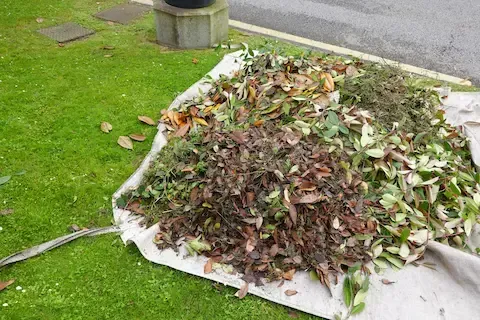
Fallen leaves represent the most significant debris challenge for Fort Wayne residents, particularly during October and November when mature trees shed their foliage. While a light layer of leaves can provide natural mulch benefits, thick accumulations block sunlight and trap moisture, creating conditions for fungal diseases and preventing proper air circulation to grass roots.
Storm debris requires immediate attention regardless of season. Northeast Indiana's weather patterns can produce sudden windstorms, ice storms, and severe thunderstorms that deposit branches, bark, and other organic materials across your landscape. This type of debris often contains sharp edges or heavy materials that can damage lawn equipment or pose safety hazards.
Seasonal plant debris includes spent flowers, pruned branches, and natural plant die-back that occurs throughout the growing season. Regular removal of this material prevents pest harboring and maintains the aesthetic appeal of your landscape beds and lawn areas.
Seasonal Debris Removal Priorities
Spring cleanup focuses on removing winter damage and preparing your lawn for the growing season. This includes clearing fallen branches, removing accumulated leaves that weren't addressed in fall, and eliminating any debris that could interfere with new grass growth. Early spring removal allows sunlight to reach dormant grass and promotes healthy green-up as temperatures warm.
Summer debris removal primarily involves managing ongoing maintenance materials such as grass clippings from regular mowing, pruned plant material, and storm debris from occasional severe weather events. Prompt removal during summer months prevents organic material from decomposing in heat and humidity, which can create unpleasant odors and attract unwanted pests.
Fall represents the most intensive debris removal period in Fort Wayne. The abundance of mature trees throughout Allen County means substantial leaf accumulation that requires systematic removal to prevent lawn damage. Debris Cleanup services become particularly valuable during this season when the volume of material can overwhelm homeowner efforts.
Winter debris removal focuses on storm damage response and maintaining access to essential areas of your property. Ice storms and heavy snow can cause branch breakage that requires prompt attention to prevent further damage or safety hazards.
Impact of Debris on Lawn Health
Accumulated yard debris creates several problems that directly impact grass health and overall landscape quality. Thick layers of organic material block essential sunlight from reaching grass blades, disrupting photosynthesis and weakening the turf's ability to maintain healthy growth patterns.
Moisture retention beneath debris layers creates ideal conditions for fungal diseases that can quickly spread throughout your lawn. Fort Wayne's humid climate already provides favorable conditions for various turf diseases, and trapped moisture from debris accumulation significantly increases disease pressure on your grass.
Pest attraction represents another significant concern when debris remains on your property for extended periods. Decomposing organic material attracts insects, rodents, and other pests that may subsequently damage your lawn or create nuisance problems around your home.
Air circulation restriction occurs when debris layers prevent proper airflow to soil and grass root systems. This restriction can lead to anaerobic soil conditions that harm beneficial microorganisms and reduce the overall health of your lawn's root system.
Proper Debris Removal Techniques
Effective yard debris removal requires appropriate tools and techniques to protect your lawn while ensuring complete cleanup. Raking remains the most common removal method, but proper technique prevents grass damage and ensures efficient material collection.
Timing your debris removal activities prevents unnecessary stress on your turf. Avoid walking on wet grass or frozen ground, as this can cause compaction and damage that takes months to recover. Wait for appropriate weather conditions that allow safe access to all areas of your property.
Proper disposal methods ensure that removed debris doesn't create problems elsewhere on your property or in your community. Fort Wayne residents have access to municipal yard waste collection programs, but understanding collection schedules and preparation requirements maximizes the effectiveness of these services.
Professional equipment often provides more efficient and thorough debris removal than homeowner efforts alone. Commercial-grade blowers, vacuums, and collection systems can handle large volumes of material quickly while minimizing impact on underlying grass and landscape features.
Common Debris Cleanup Mistakes
Many homeowners delay debris removal thinking that organic materials will naturally decompose and benefit their lawn. While some organic matter does provide soil benefits, the volume and thickness of typical debris accumulation in Fort Wayne exceeds what grass can tolerate without negative effects.
Incomplete removal often occurs when homeowners focus only on obvious debris while missing material trapped in landscape beds, around structures, or in less visible areas of their property. This partial cleanup allows remaining debris to redistribute across recently cleaned areas during windy conditions.
Improper disposal methods create ongoing problems when debris is moved to inappropriate locations on the property. Piling organic material against structures can attract pests and create moisture problems, while disposing of debris in natural areas may violate local regulations or harm native ecosystems.
Waiting too long between cleanup sessions allows debris to become compacted or partially decomposed, making removal more difficult and increasing the likelihood of lawn damage during the cleanup process.
Local Considerations for Fort Wayne Properties
Fort Wayne's urban forest canopy creates both benefits and challenges for property owners managing yard debris. The mature trees throughout established neighborhoods provide aesthetic and environmental benefits but generate substantial organic debris throughout the growing season.
Allen County's soil conditions and drainage patterns influence how quickly debris decomposes and what effects accumulation has on underlying grass. Clay soils common in many Fort Wayne areas retain moisture longer, increasing the risk of fungal problems when debris traps additional moisture against the ground.
Municipal regulations regarding yard waste disposal affect how residents can manage collected debris. Understanding Fort Wayne's collection schedules, preparation requirements, and seasonal restrictions helps homeowners plan effective debris management strategies that comply with local requirements.
Weather patterns unique to northeast Indiana influence both debris accumulation rates and removal timing opportunities. The region's variable spring weather, intense summer storms, and extended fall leaf season require flexible debris management approaches that adapt to changing conditions.
Professional Debris Cleanup Benefits
Professional debris removal services provide expertise in identifying problematic debris that homeowners might overlook. Experienced technicians recognize signs of disease, pest activity, or structural damage that require specific handling approaches to prevent problems from spreading throughout your landscape.
Equipment advantages make professional services particularly valuable for large properties or extensive debris situations. Commercial equipment completes cleanup tasks more quickly and thoroughly than typical homeowner tools, reducing the time your lawn remains covered by problematic organic material.
Seasonal scheduling ensures that debris removal occurs at optimal times for lawn health and recovery. Professional services understand the timing requirements for different types of debris and can coordinate removal activities with other lawn care needs for maximum benefit.
Proper disposal handling eliminates homeowner concerns about meeting municipal requirements or finding appropriate disposal locations for collected material. Professional services manage all aspects of debris disposal, ensuring compliance with local regulations while providing convenient service for property owners.
Maintaining Year-Round Debris Management
Successful yard debris management requires consistent attention throughout the year rather than sporadic intensive cleanup efforts. Regular monitoring identifies accumulating debris before it reaches problematic levels that can damage your lawn or create extensive cleanup challenges.
Preventive measures reduce the volume of debris that accumulates on your property while maintaining the health and appearance of trees and landscape plants. Proper pruning schedules, plant selection, and maintenance practices minimize unnecessary organic debris while promoting healthy plant growth.
Integration with overall lawn care activities ensures that debris management supports rather than conflicts with other maintenance needs. Coordinating debris removal with fertilization, aeration, and other treatments maximizes the benefits of all lawn care investments while maintaining optimal turf health.
For comprehensive guidance on maintaining healthy turf conditions year-round, consider reviewing information about spring lawn assessment after Fort Wayne winters to understand how debris management fits into broader landscape health strategies.
Fort Wayne property owners who maintain consistent debris removal practices enjoy healthier lawns, reduced pest problems, and more attractive landscapes throughout the changing seasons. Whether managing debris independently or working with professional services, understanding the principles of effective yard debris cleanup ensures your landscape investment provides maximum returns in beauty, function, and property value.