How Snow Removal Choices Shape Fort Wayne Spring Lawns
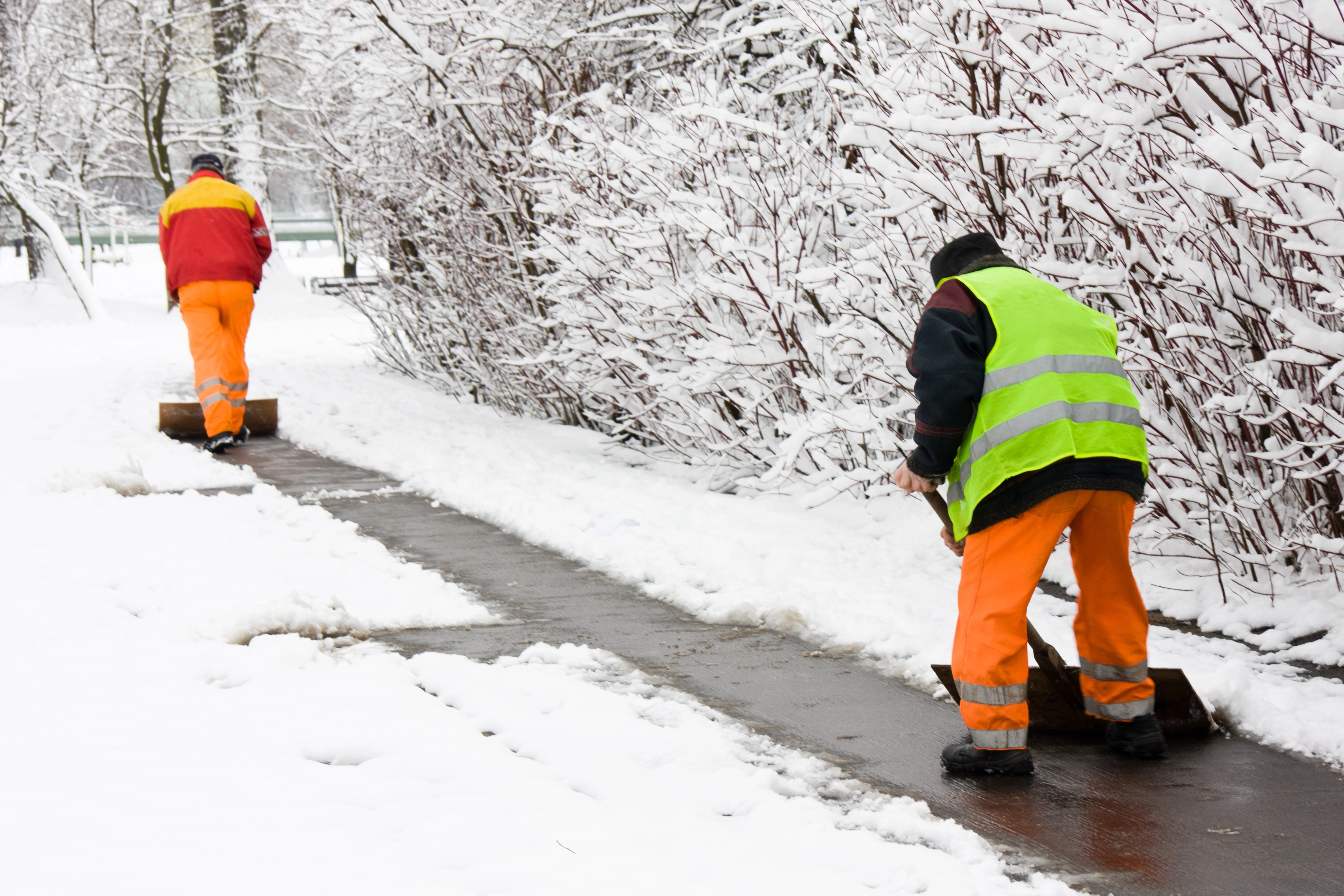
The snow removal decisions you make throughout Fort Wayne's winter months don't disappear with the spring thaw. Every plow pass, salt application, and snow pile placement during December through March creates lasting effects that emerge as your lawn awakens from dormancy. Understanding these connections helps you balance winter safety needs with spring turf recovery goals.
Mechanical Damage From Winter Equipment
Snow plows and blowers create physical stress patterns that persist well into the growing season. Heavy equipment compacts soil beneath snow cover, reducing oxygen availability to grass roots and limiting water infiltration once temperatures warm. The repetitive weight of plowing operations creates rut patterns that channel spring runoff, leading to erosion channels where healthy turf should establish.
Plow blade height settings determine the severity of surface scraping. Blades set too low scalp grass crowns, removing the growing points needed for spring recovery. Even properly adjusted equipment can catch and tear dormant grass when operators work too aggressively on partially frozen ground. These mechanical wounds provide entry points for fungal diseases that flourish during Fort Wayne's wet spring conditions.
Snow pile placement compounds equipment damage through prolonged ground pressure. Large piles concentrated in single areas create dead zones where soil structure breaks down under sustained weight. When these piles finally melt, the underlying turf faces both physical damage and extended periods without sunlight, creating bare patches that require overseeding or sodding to restore.
Salt and Chemical Effects on Turf Recovery
Deicing materials applied during winter operations continue affecting soil chemistry long after the last snowfall. Rock salt accumulates in soil profiles, creating salinity levels that inhibit grass root development and nutrient uptake. Spring irrigation and rainfall gradually flush these salts deeper into the soil, but the process can take months depending on drainage conditions and precipitation patterns.
Snow Removal operations that rely heavily on sodium chloride create the most persistent soil chemistry problems. Alternative deicing products like calcium chloride or potassium chloride cause less long-term turf stress, but require more careful application rates to maintain effectiveness. The drift patterns from road and sidewalk deicing also affect lawn edges, creating brown strips along treated surfaces that may not recover until midsummer.
Fertilizer interactions with accumulated deicing salts create complex soil chemistry challenges. High salt concentrations can lock up nitrogen and phosphorus, making spring fertilizer applications less effective. Soil testing in early spring helps identify areas where salt accumulation requires remediation before normal lawn care programs can succeed.
Snow Pile Placement and Drainage Patterns
Where you place snow during removal operations determines spring water flow patterns across your property. Strategic pile placement can enhance natural drainage and prevent standing water problems. Poor placement creates artificial dams that redirect snowmelt flow, potentially causing erosion or flooding in areas not designed for heavy water movement.
Piles placed against foundation plantings or ornamental trees create additional spring challenges. Extended snow cover delays warming in these areas, prolonging dormancy and increasing susceptibility to late frost damage. The concentrated water release when large piles melt can also oversaturate root zones, leading to root rot problems in susceptible plants.
Fort Wayne's relatively flat topography means that even small changes in snow placement can significantly alter drainage patterns. Properties in neighborhoods like Brookside or areas near the St. Joseph River require particularly careful attention to snow pile placement to prevent spring water management problems.
Timing Considerations for Equipment Operations
Operating snow removal equipment during specific temperature and ground conditions minimizes spring lawn damage. Working on frozen ground reduces soil compaction and surface tearing compared to operations during thaw cycles. Equipment operators who wait for proper conditions preserve more turf integrity, even when this means slightly delayed snow clearing.
Multiple light snow events allow for gentler removal techniques that cause less cumulative damage than single heavy operations. Frequent maintenance passes with lighter equipment pressure distribute the physical stress across more surface area and time periods. This approach requires more labor during winter but results in significantly better spring lawn recovery.
The timing of final snow removal in late winter affects spring green-up timing. Areas cleared early receive more sunlight and begin photosynthesis sooner, while areas under prolonged snow cover start the growing season later. Our year-round snow planning overview explains how strategic clearing schedules can optimize spring recovery across different lawn areas.
Surface Preparation and Recovery Planning
Pre-winter lawn preparation significantly influences how well turf tolerates snow removal operations. Proper fall fertilization and disease prevention create stronger grass plants better able to survive winter equipment traffic. Core aeration performed before ground freeze improves soil drainage and reduces compaction susceptibility during snow removal operations.
Spring recovery planning begins with damage assessment as soon as snow clears. Early identification of compacted areas, salt damage zones, and mechanical injury sites allows for targeted restoration efforts. Areas requiring overseeding need immediate attention to take advantage of spring moisture and moderate temperatures for germination.
Professional lawn care services coordinate snow removal techniques with spring restoration programs. This integrated approach considers winter equipment choices based on planned spring treatments, creating more effective overall turf management. The investment in careful winter operations pays dividends in reduced spring restoration costs and faster lawn recovery.
Local Climate and Recovery Timing
Fort Wayne's climate pattern of extended freeze-thaw cycles throughout winter creates unique challenges for balancing snow removal needs with lawn protection. The city's location in northeastern Indiana means frequent temperature fluctuations that can make snow removal timing critical for minimizing turf damage. Understanding these local patterns helps property owners make better decisions about when and how to clear snow.
The typical March thaw period in the Fort Wayne area provides the first opportunity to assess winter damage and begin recovery planning. This timing allows for early spring treatments before the main growing season begins, maximizing the effectiveness of restoration efforts. Properties in different microclimates across Allen County may experience variations in thaw timing that affect optimal treatment schedules.