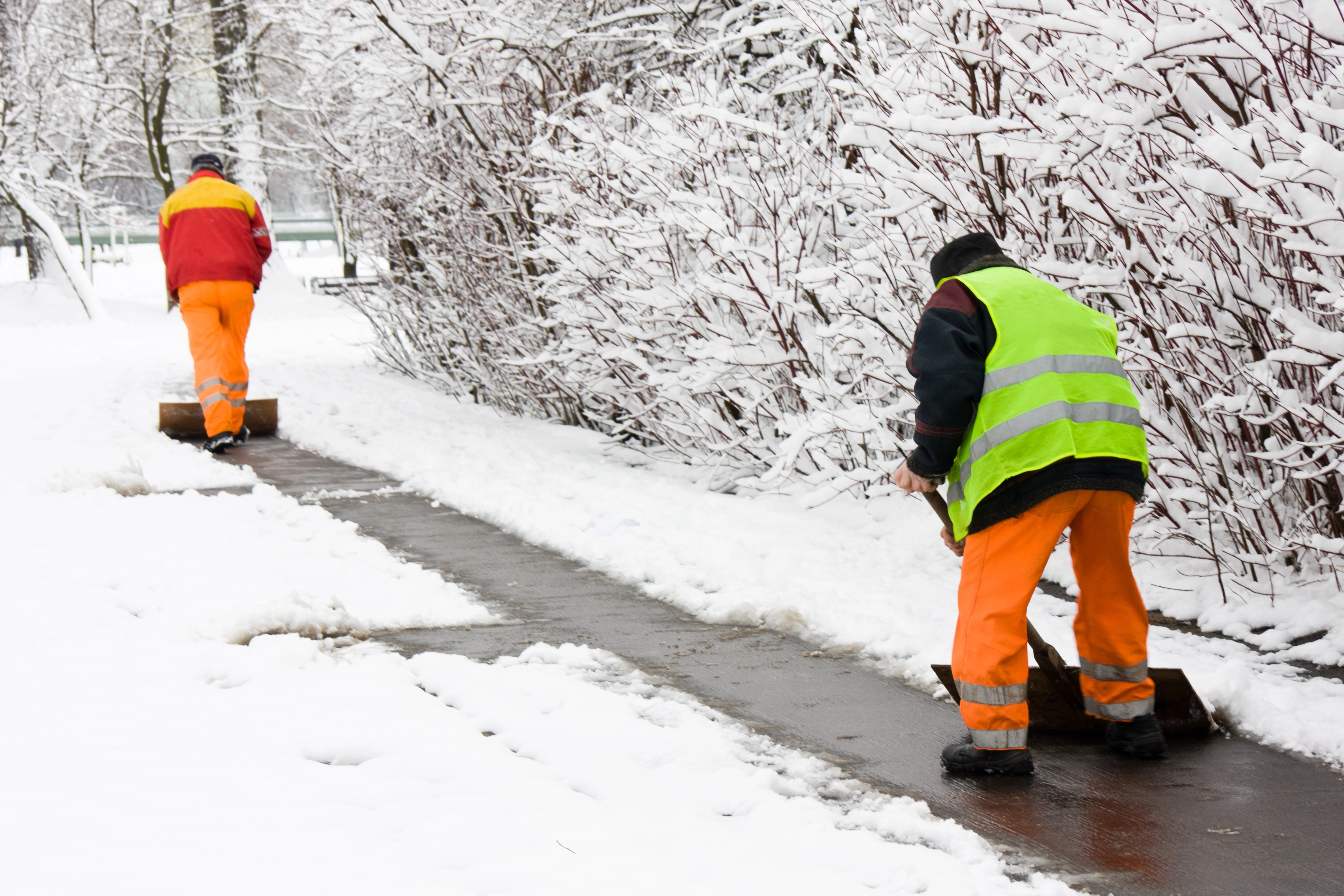
Fort Wayne IN Snow Removal Year-Round Homeowner Plan
Planning for snow removal in Fort Wayne requires understanding the unique weather patterns that affect Allen County throughout the winter months. Effective snow removal preparation begins months before the first snowfall, involving equipment assessment, contractor evaluation, and budget planning that aligns with local climate conditions.
Understanding Fort Wayne's Winter Weather Patterns
Fort Wayne experiences an average annual snowfall of 33 inches, with the heaviest accumulations typically occurring between December and February. The city's location in northeastern Indiana means residents face lake-effect snow from Lake Michigan, creating unpredictable storm patterns that can dump several inches within hours.
Temperature fluctuations in Allen County create challenging conditions for snow removal. Daytime warming followed by overnight freezing produces ice layers beneath fresh snow, requiring specialized removal techniques and equipment. These conditions make early season preparation essential for maintaining safe walkways and driveways throughout winter.
Local meteorological data shows that Fort Wayne residents can expect between 15 to 20 snow events per season, ranging from light dustings to major storms exceeding 8 inches. This variability demands flexible snow removal strategies that can handle both routine maintenance and emergency response situations.
Essential Equipment and Tool Assessment
Snow shovels remain the foundation of residential snow removal, but Fort Wayne's heavy, wet snow conditions require specific shovel types. Ergonomic designs with curved handles reduce back strain during extended clearing sessions. Plastic blades work well for light snow, while metal-edged shovels handle packed snow and ice more effectively.
Snow blowers provide efficient clearing for driveways and larger walkways. Single-stage blowers handle snow depths up to 8 inches, suitable for most Fort Wayne storms. Two-stage models tackle deeper accumulations and packed snow but require proper storage and seasonal maintenance to ensure reliability during critical weather events.
Ice melt products vary in effectiveness and environmental impact. Calcium chloride works at lower temperatures than rock salt, making it ideal for Fort Wayne's sub-zero conditions. Magnesium chloride offers plant-safe alternatives for homeowners concerned about lawn and garden damage from traditional deicing materials.
Professional-grade tools like roof rakes prevent ice dam formation on Fort Wayne homes. These specialized tools allow safe snow removal from ground level, preventing the structural damage and water infiltration common in older neighborhoods throughout Allen County.
Seasonal Timing and Preparation Schedule
September marks the beginning of snow removal preparation in Fort Wayne. Equipment inspection and maintenance ensure tools function properly when needed. Snow blower tune-ups, shovel replacement, and ice melt inventory should be completed before October to avoid pre-storm rushes at local hardware stores.
October preparation focuses on property assessment and hazard identification. Homeowners should mark sprinkler heads, identify fragile plants, and establish snow storage areas away from septic systems and property lines. This preparation prevents damage and neighbor disputes during actual snow removal operations.
November represents the final preparation window before Fort Wayne's typical first snowfall. Contractor agreements should be finalized, emergency contact lists updated, and backup equipment secured. Many local Snow Removal services require contracts by Thanksgiving to guarantee availability during peak storm periods.
Mid-season adjustments occur in January and February based on actual weather patterns. Equipment modifications, supply restocking, and strategy refinements help homeowners adapt to the season's specific challenges and maintain effective snow management through spring.
Professional Service Integration
Residential snow removal contracts in Fort Wayne typically offer several service levels. Basic packages include driveway plowing after accumulations exceed 2 inches. Premium services add sidewalk clearing, ice treatment, and emergency response capabilities during severe weather events.
Service timing coordination prevents conflicts between professional plowing and homeowner efforts. Establishing clear communication protocols ensures efficient snow removal without duplication of effort or equipment interference. Many Fort Wayne contractors provide notification systems alerting homeowners to scheduled service times.
Backup arrangements become crucial when primary contractors face equipment failures or overwhelming demand. Maintaining relationships with multiple local services or having equipment rental agreements provides continuity when weather exceeds normal operational capacity.
Insurance considerations affect both contractor selection and homeowner liability. Proper contractor licensing and insurance coverage protect homeowners from property damage and injury claims. Documentation of service agreements and damage assessments supports insurance claims when winter weather causes unexpected problems.
Cost Planning and Budget Management
Snow removal costs in Fort Wayne vary significantly based on service frequency and property size. Seasonal contracts range from $300 to $800 for typical residential driveways, with per-storm pricing available for homeowners preferring flexible arrangements.
Equipment ownership costs include initial purchase, annual maintenance, fuel, and storage expenses. Snow blowers require $200 to $400 in annual maintenance and fuel costs. Hand tool replacement and ice melt supplies add another $100 to $200 per season for average homeowners.
Emergency service premiums during major storms can triple normal pricing. Budget planning should include contingency funds for unexpected severe weather events that exceed contracted service levels. Many Fort Wayne residents allocate 20% additional budget for emergency snow removal needs.
Long-term cost analysis often favors professional services for homeowners with physical limitations or time constraints. Equipment depreciation, storage costs, and maintenance expenses can exceed professional service contracts over multiple seasons, particularly when factoring in injury risk and time investment.
Common Planning Mistakes and Solutions
Waiting until the first storm to begin preparation leads to equipment shortages and inflated pricing. Fort Wayne hardware stores typically sell out of snow removal equipment during the first major weather event. Early season preparation ensures availability and normal pricing for essential tools and supplies.
Underestimating snow storage space creates ongoing problems throughout winter. Accumulated snow from multiple storms requires substantial space away from walkways, vehicles, and building foundations. Planning storage locations prevents mid-season scrambling for dump sites and potential property damage.
Ignoring ice management focuses solely on snow removal while overlooking the dangerous ice conditions common in Fort Wayne. Temperature fluctuations create ice layers that require specialized treatment beyond simple snow clearing. Comprehensive plans address both snow removal and ice prevention strategies.
Inadequate backup planning assumes primary snow removal methods will always function perfectly. Equipment failures during storms leave homeowners stranded without alternatives. Effective planning includes backup contractors, rental equipment options, and emergency supply reserves for extended weather events.
Neighborhood and Community Coordination
Coordinating with neighbors improves efficiency and reduces costs for everyone involved. Shared contractor services often provide volume discounts while ensuring consistent service levels throughout residential areas. Group contracting also provides better leverage for service quality and response time requirements.
Sidewalk maintenance responsibilities vary by Fort Wayne city ordinances and homeowner association requirements. Understanding legal obligations prevents citations and ensures pedestrian safety during winter weather. Many neighborhoods establish informal cooperation agreements for continuous sidewalk clearing.
Snow disposal coordination prevents disputes over property boundaries and drainage issues. Establishing clear guidelines for snow placement protects neighboring properties while maintaining good community relations. Some Allen County neighborhoods organize centralized snow removal to shared areas.
Communication networks help neighbors share resources and information during severe weather events. Email lists, social media groups, and informal check-in systems ensure vulnerable residents receive assistance when needed. These networks often provide winter lawn care Fort Wayne IN recommendations and seasonal preparation tips.
Long-term Success Strategies
Annual plan evaluation identifies successful strategies and areas needing improvement. Post-season reviews examine costs, effectiveness, and challenges encountered during the winter months. This analysis informs modifications for the following year's snow removal preparations.
Technology integration enhances snow removal planning through weather monitoring apps and service coordination platforms. Smart home systems can automate ice melt application and provide remote monitoring of property conditions during storms.
Physical fitness preparation reduces injury risk during manual snow removal activities. Regular exercise focusing on core strength and flexibility helps homeowners handle the physical demands of snow clearing safely and effectively.
Continuous education about new techniques, equipment, and products improves snow removal effectiveness over time. Local workshops, online resources, and professional consultations help homeowners refine their approaches and adapt to changing conditions in Fort Wayne's winter environment.