Clearing Sidewalks For Elderly Fort Wayne IN Neighbors
Winter weather in Fort Wayne creates significant mobility challenges for elderly residents who struggle to maintain clear sidewalks. Snow and ice accumulation can trap seniors in their homes, limiting access to essential services, medical appointments, and social connections. Understanding how to organize effective sidewalk clearing assistance helps create safer, more accessible neighborhoods while building stronger community bonds.
Understanding Elderly Mobility Challenges in Winter
Elderly residents face multiple barriers during Fort Wayne winters beyond just physical snow removal. Age-related mobility issues, reduced strength, and balance concerns make snow shoveling dangerous or impossible. Many seniors also take medications that affect circulation, making cold weather exposure particularly risky. Visual impairments common in older adults make navigating icy surfaces treacherous, while arthritis and joint problems worsen in cold temperatures.
The consequences extend beyond inconvenience. Blocked sidewalks can prevent elderly residents from reaching bus stops, accessing grocery stores, or attending medical appointments. Social isolation increases when seniors cannot safely leave their homes, contributing to depression and declining health. Emergency services may also struggle to reach elderly residents when sidewalks remain impassable.
Organizing Volunteer Clearing Networks
Successful volunteer networks require coordination and clear communication systems. Start by identifying elderly neighbors who need assistance through neighborhood associations, local churches, or community centers. Create a simple contact system using phone calls or text messaging to coordinate clearing schedules and weather response.
Establish clear protocols for different weather events. Light snowfall might require only priority pathway clearing, while heavy storms need comprehensive removal including steps, ramps, and vehicle access areas. Assign specific volunteers to particular houses to ensure consistency and build relationships. Consider creating backup volunteer lists for when primary helpers are unavailable.
Safety training for volunteers prevents injuries and ensures effective clearing. Teach proper lifting techniques, appropriate clothing for cold weather work, and recognition of dangerous ice conditions. Provide information about which areas to prioritize, such as main walkways to the street, steps, and emergency exit routes.
Professional Service Coordination Options
Many Fort Wayne families choose to hire Sidewalk Snow Clearing services for elderly relatives to ensure consistent, reliable maintenance throughout winter. Professional services offer scheduled clearing after each snowfall, emergency response during severe weather, and proper equipment for safe, thorough removal. This option works particularly well for adult children who live too far away to provide regular assistance.
When selecting professional services, prioritize companies with experience serving elderly clients. Look for services that understand accessibility requirements, offer gentle communication with seniors, and provide detailed clearing that includes handrails, steps, and doorway areas. Some services offer family notification systems to confirm completion of clearing work.
Cost-sharing arrangements between family members or neighbors can make professional services more affordable. Multiple households on the same street might negotiate group rates, while extended families can split costs for shared clearing services. Some Fort Wayne area churches and community organizations also coordinate group purchasing of clearing services for elderly members.
Accessibility-Focused Clearing Techniques
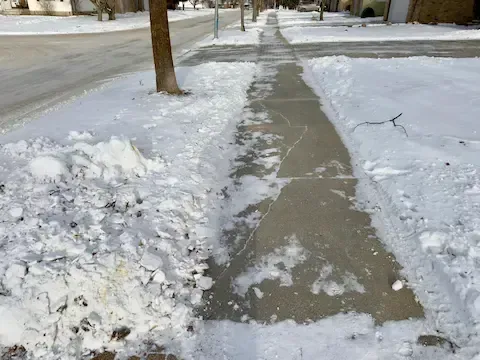
Clearing sidewalks for elderly users requires attention to specific accessibility needs beyond basic snow removal. Create wider pathways to accommodate walkers, wheelchairs, and mobility scooters. Standard sidewalk clearing often leaves paths too narrow for assistive devices, forcing elderly users into dangerous situations.
Prioritize areas where seniors most commonly slip or struggle. Steps require complete clearing including edges and handrail areas. Ensure cleared paths connect directly to plowed street areas and building entrances. Remove snow berms created by street plows that block access from cleared sidewalks to roadways.
Ice management becomes critical for elderly safety. Apply ice melt or sand to prevent refreezing, particularly in shaded areas that remain icy longer. Avoid using rock salt near vegetation that seniors might use for support, as it can damage plants they rely on for stability. Consider pet-safe ice melt products since many elderly residents have assistance animals.
Technology and Communication Tools
Simple communication systems help coordinate clearing efforts without overwhelming elderly residents with complex technology. Phone trees work well for seniors comfortable with telephone communication, while family members might use group texting or apps to coordinate volunteer schedules. Some neighborhoods use simple door hangers or window signs to indicate when clearing is needed or completed.
Weather monitoring apps help volunteers and families anticipate clearing needs. Set up alerts for snowfall predictions, temperature drops that create icing conditions, and wind events that cause drifting. This proactive approach ensures clearing happens promptly rather than waiting for accumulation to become problematic.
Documentation systems help track clearing activities and identify patterns. Simple logs noting clearing dates, weather conditions, and any accessibility issues help improve future response. This information proves valuable when coordinating with professional services or applying for community assistance programs.
Community Resource Development
Fort Wayne offers various community resources that support elderly sidewalk clearing efforts. The city's aging services division provides information about volunteer programs and assistance options. Local faith communities often organize winter assistance programs that include snow removal for elderly members and neighbors.
Neighborhood associations can develop systematic approaches to elderly assistance that extend beyond individual volunteer efforts. Some areas organize tool lending programs, coordinate group equipment purchases, or establish emergency response protocols for severe weather events. These structured approaches create more reliable, long-term support systems.
Consider connecting with local youth organizations, school service clubs, or scouting groups that seek community service opportunities. Many young people are willing and able to help with snow clearing but need organized connection to elderly residents who need assistance. Adult supervision ensures safety while providing meaningful intergenerational community building.
Legal and Insurance Considerations
Understanding liability issues protects both volunteers and elderly residents during clearing activities. Most homeowners insurance policies cover injuries occurring on their property, but volunteers should verify their coverage for community service activities. Some volunteer organizations provide liability coverage for members engaged in approved activities.
Property access permissions require clear understanding between elderly residents and helpers. Written agreements outlining clearing responsibilities, property access, and communication preferences prevent misunderstandings. Include emergency contact information and any specific health considerations that affect clearing activities.
Documentation of clearing activities provides protection for all parties. Simple records noting dates, weather conditions, and work performed help resolve any disputes or insurance claims. Photography before and after clearing can demonstrate proper maintenance and care.
Building Sustainable Winter Support Systems
Long-term success requires developing sustainable systems that continue functioning despite volunteer turnover or changing circumstances. Create written procedures that new volunteers can easily follow, including contact lists, equipment locations, and clearing priorities. Regular training sessions help maintain safety standards and ensure consistent service quality.
Financial sustainability involves exploring funding options beyond individual family resources. Some communities establish elderly assistance funds through local foundations, churches, or municipal programs. Others organize fundraising events or seek grants specifically targeting aging-in-place support services.
Integration with existing community services maximizes effectiveness while minimizing duplication of efforts. Connect sidewalk clearing assistance with meal delivery programs, wellness checks, and other elderly support services. This comprehensive approach addresses multiple winter challenges while building stronger community connections.
For comprehensive information about residential clearing responsibilities, review this sidewalk clearing resident overview which covers additional legal requirements and best practices for Fort Wayne area properties.