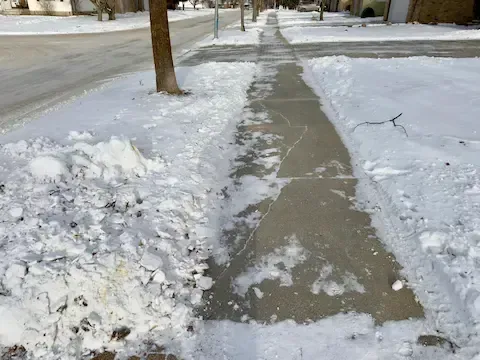
Fort Wayne Sidewalk Snow Clearing Resident Handbook
Understanding Fort Wayne's Sidewalk Snow Clearing Requirements
Fort Wayne residents face specific obligations when winter storms deposit snow across city sidewalks. The municipal ordinance requires property owners to clear sidewalks adjacent to their property within 24 hours after snowfall ends. This responsibility extends beyond your front door to encompass the entire sidewalk frontage along your property line, creating a continuous pathway for pedestrian traffic throughout residential neighborhoods.
The city's enforcement approach focuses on maintaining safe pedestrian access during Indiana's harsh winter months. Property owners who fail to comply face fines starting at $25 for first violations, escalating to $100 for repeat offenses within the same snow season. Understanding these requirements helps you plan your snow clearing strategy before the first flakes fall.
Professional sidewalk snow clearing Fort Wayne services operate within these same time constraints, offering residents reliable compliance with municipal requirements. These services coordinate timing with storm patterns to ensure sidewalks remain accessible throughout extended winter weather events.
Essential Equipment for Effective Snow Removal
Selecting appropriate tools determines your efficiency and physical strain during sidewalk clearing operations. Standard snow shovels work adequately for light accumulations under four inches, but deeper snow requires specialized equipment to prevent injury and complete the task within reasonable time frames.
Ergonomic snow pushers excel at moving large volumes of powder snow without lifting. These tools feature curved blades designed to roll snow forward rather than requiring repetitive lifting motions. For icy conditions, metal-edged scrapers break through frozen surfaces that develop overnight or during temperature fluctuations.
Ice melt products serve as essential supplements to mechanical removal. Calcium chloride works effectively in temperatures down to -25°F, while rock salt becomes less effective below 20°F. Magnesium chloride offers plant-safe alternatives for areas adjacent to landscaping, though it costs more than traditional rock salt options.
Snow blowers provide mechanical advantages for properties with extensive sidewalk frontage. Single-stage electric models handle most Fort Wayne snowfall events efficiently, while two-stage gas units tackle heavy, wet snow that characterizes late-winter storms. Consider storage space and maintenance requirements when evaluating motorized options.
Timing Strategies for Maximum Efficiency
Starting snow removal during active snowfall prevents accumulation from becoming unmanageable. Light, frequent clearing requires less physical effort than waiting for storms to end, particularly during extended weather events that dump snow over multiple days. This approach also maintains continuous pedestrian access rather than creating temporary barriers.
Temperature patterns influence optimal clearing schedules. Snow removed during daytime hours when temperatures hover near freezing melts partially, creating wet conditions that refreeze overnight. Evening removal followed by salt application prevents this cycle, though it requires working in darkness during winter's shortened daylight hours.
Wind direction affects snow redistribution after initial clearing. Fort Wayne's prevailing northwest winds can refill cleared sidewalks within hours during active storms. Position removed snow on the downwind side of cleared areas to minimize drift accumulation, and avoid piling snow where prevailing winds will blow it back across cleared surfaces.
Common Mistakes That Create Additional Work
Piling snow directly adjacent to cleared sidewalks creates drainage problems during warming periods. Melting snow flows back onto cleared surfaces, refreezing during temperature drops and creating hazardous ice patches. Position removed snow at least three feet from sidewalk edges when space permits, directing runoff toward appropriate drainage areas.
Using hot water for ice removal seems logical but creates more problems than solutions. Hot water melts surface ice temporarily but refreezes rapidly in sub-freezing conditions, often creating thicker ice layers than original accumulations. This approach wastes energy and time while potentially making conditions more dangerous.
Neglecting edge clearing allows ice dams to form along sidewalk perimeters. These frozen barriers trap subsequent snowmelt, creating puddles that freeze into skating rink conditions. Complete edge-to-edge clearing prevents these formations and ensures proper drainage during warming cycles.
Over-application of ice melt products damages concrete and surrounding vegetation while wasting money. Follow manufacturer guidelines for coverage rates, typically one pound per 1,000 square feet for maintenance applications. Heavy applications don't accelerate melting significantly but increase environmental impact and material costs.
Managing Extended Winter Weather Patterns
Fort Wayne's winter climate features periods of sustained below-freezing temperatures interspersed with warming trends that create complex snow and ice conditions. During cold snaps lasting weeks, snow accumulates in layers requiring different removal strategies for each storm event. Maintaining detailed clearing after each snowfall prevents compaction that creates removal difficulties later in the season.
Temperature fluctuations characteristic of Great Lakes weather patterns create ice-snow-ice layering that complicates removal efforts. Breaking through ice layers requires metal scrapers or ice choppers, followed immediately by ice melt application to prevent reformation. Document these challenging conditions to adjust future preparation strategies.
Late-season heavy snow events often catch residents unprepared after mild early winter periods. March and early April storms in northeastern Indiana frequently produce wet, heavy snow that taxes equipment and physical capabilities. Maintaining equipment readiness throughout the traditional winter season prevents scrambling during unexpected late-season events.
Fort Wayne Neighborhood Considerations
Older neighborhoods with mature tree coverage create unique snow clearing challenges through uneven accumulation patterns. Trees block some snowfall while creating drift zones in open areas between properties. Survey your sidewalk exposure patterns early in winter to identify areas requiring extra attention during storms.
High-traffic pedestrian areas near schools, bus stops, and shopping districts require more frequent attention than residential side streets. The city prioritizes enforcement in these zones, making compliance essential for property owners in commercial corridors and school zones throughout Fort Wayne's established neighborhoods.
Drainage infrastructure varies significantly across Fort Wayne's diverse housing stock. Newer developments feature engineered drainage systems that handle snowmelt efficiently, while older areas may lack adequate storm management. Understanding your property's drainage patterns helps position removed snow appropriately and prevents ice dam formation.
Learning about de-icing essentials for residents complements mechanical snow removal techniques, particularly in areas where drainage challenges create persistent ice formation throughout winter months.
Professional Service Integration Options
Combining personal snow clearing efforts with professional services creates cost-effective solutions for many Fort Wayne properties. Handle light accumulations independently while contracting professional services for major storm events exceeding your physical capabilities or equipment limitations. This hybrid approach maintains budget control while ensuring compliance during challenging conditions.
Professional services offer equipment advantages for properties with extensive sidewalk frontage or challenging terrain features. Commercial-grade snow blowers and specialized ice removal equipment complete tasks in fractions of time required for manual methods. Evaluate service contracts based on response time guarantees and equipment capabilities rather than price alone.
Scheduling professional services requires understanding their capacity limitations during peak demand periods. Major storm events create service bottlenecks as contractors prioritize commercial accounts and emergency situations. Establish service relationships before winter begins to ensure availability during high-demand periods.
Long-term Maintenance and Preparation
Successful sidewalk snow clearing extends beyond winter storm response to include year-round preparation and equipment maintenance. Inspect and repair concrete surfaces during warm months to eliminate trip hazards that become dangerous when hidden under snow. Address drainage issues that cause persistent ice formation in specific areas.
Equipment preparation in late fall prevents winter breakdowns during critical storm periods. Clean and lubricate snow removal tools, check mechanical equipment operation, and stock ice melt supplies before temperature drops make outdoor preparation uncomfortable. Store equipment in accessible locations that don't require excavation during storm events.
Developing relationships with neighbors creates mutual support networks during extended winter weather periods. Coordinate clearing schedules to maintain continuous sidewalk access along block-length stretches, and establish backup plans for times when travel restrictions prevent normal snow clearing routines.
Fort Wayne's variable winter weather requires adaptive strategies that account for changing conditions throughout the snow season. Successful sidewalk maintenance combines proper equipment selection, strategic timing, and understanding of local weather patterns to create safe pedestrian access while minimizing physical strain and time investment.