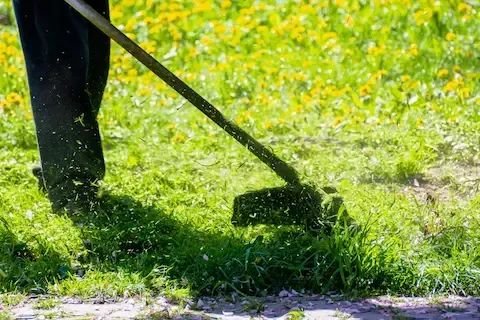
Keeping Lawn Edges Sharp in Fort Wayne Between Visits
A freshly edged lawn looks sharp and intentional, but that crisp line along your driveway or sidewalk doesn't stay put for long. In Fort Wayne, summer conditions — warm soil, frequent rain, and aggressive turf growth — can soften a clean edge within a week or two of your last professional visit. The good news is that with a little routine attention between scheduled services, you can maintain those defined borders without a lot of effort or equipment. This guide covers what to do, how often to do it, and what to avoid when managing lawn edges on your own.
Why Edges Break Down So Quickly in Fort Wayne
Fort Wayne's climate creates growing conditions that are ideal for a thick, healthy lawn — and that same vigor is what works against you when it comes to edge maintenance. Allen County sits in a zone where Kentucky bluegrass, tall fescue, and perennial ryegrass all thrive. These turf varieties spread aggressively, especially during the warm, humid weeks of June and July. When temperatures rise and rainfall is steady, grass can push two or more inches of lateral growth per week at the edge zone.
The soil in and around Fort Wayne tends to be clay-heavy, which retains moisture longer than sandy soils. This extended moisture availability means roots stay active and lateral runners keep pushing outward. What was a clean edge last Friday can look ragged by the following Monday. Add in the fact that edging during a professional visit involves physically cutting back accumulated overgrowth, and you'll understand why a single week of neglect in midsummer can undo a lot of clean-up work.
How Often You Should Be Edging Between Visits
For most Fort Wayne properties, touching up edges once per week during peak growing season is enough to keep things looking clean. If your lawn is being professionally serviced every two weeks, that means you're doing one maintenance pass on your own between visits. Outside of peak season — early spring and late fall — you can often stretch this to every ten days or so without the edges looking noticeably overgrown.
The key is not letting runners accumulate. When grass creeps over a hard surface like a driveway, sidewalk, or curb by more than a half inch, it starts to look unkempt. Catching it early means light work. Letting it go for three or four weeks means the next person to edge — whether you or a professional — has to remove significantly more material, which can stress the turf and leave a rough, uneven line.
Tools to Keep on Hand for DIY Edging
You don't need professional-grade equipment to maintain edges between visits, but you do need the right tool for the job. A basic manual half-moon edger works well for small, straight sections. For longer runs along driveways or sidewalks, a rotary push edger gives you more control and consistency without requiring electricity or batteries. If you already own a string trimmer, it can be turned vertically to act as an edger — though this technique takes some practice to do cleanly.
For Fort Wayne homeowners dealing with curved landscape beds or irregular garden borders, a hand spade or garden edger is often easier than a mechanical tool. Whatever you use, the goal is to maintain the existing cut line that was established during your last professional service. You're not trying to redefine the edge — you're just keeping it from creeping. If you want more detailed guidance on selecting the right tool for your specific yard layout, read this post on choosing the right edging tool for Fort Wayne lawns.
Step-by-Step: Maintaining Clean Edges Between Professional Visits
Step 1: Walk the Edge Zones First
Before you pick up any tool, walk the perimeter of your lawn and assess where growth has occurred. Look for grass creeping onto hard surfaces, runner growth into mulch beds, and any areas where the defined cut line has blurred. Pay extra attention to corners, curved sections, and spots near downspouts or irrigation heads where moisture accumulates and growth tends to be faster.
Step 2: Work the Hard Surface Borders
Start with the edges that run along your driveway, sidewalk, or front curb — these are the most visible from the street and make the biggest impact on curb appeal. Use your edging tool to trim back any grass that has grown over the pavement. Keep your line consistent with the cut that was established previously. Resist the urge to cut deeper or shift the edge inward — that leads to gradual narrowing of your lawn over the season.
Step 3: Address Landscape Bed Borders
Once the hard surfaces are done, move to any garden beds or mulched areas. Grass runners along bed borders are common in Allen County yards due to the spreading nature of locally popular turf types. Use a hand tool to maintain a clean separation between the turf and the mulch or soil. A shallow V-cut along bed edges helps shed water and makes it easier to maintain the line on future passes.
Step 4: Clear Clippings Immediately
After edging, loose clippings left on hard surfaces can wash back into the edge zone or create a mess along the curb. Blow or sweep clippings off the driveway and sidewalk right after you finish. This keeps the edge visually clean and prevents loose material from settling back against the grass line and breaking down the definition you just restored.
Step 5: Note Any Problem Areas for Your Service Provider
If you notice a section of edge that keeps losing definition faster than the rest — often near downspouts, shaded corners, or high-traffic zones — make a note to mention it at your next service. Your lawn care team can adjust their approach in those areas or apply a targeted treatment to slow lateral spread where it's most problematic.
Common Mistakes to Avoid When Edging on Your Own
The most common mistake Fort Wayne homeowners make when edging between visits is cutting too aggressively. Trimming back further than the established line might seem like it will last longer, but it actually stresses the turf along the border and can create brown, patchy edges that take weeks to fill back in. Always follow the existing cut, not your instinct to go wider.
Another frequent error is using a string trimmer at too high a speed along a curved bed edge. This tends to result in an irregular, scalloped line rather than a smooth curve. Slow, controlled passes produce a cleaner result. And if you're working near Fort Wayne's older sidewalk sections — the kind with slightly raised or cracked joints — be careful about your tool contacting concrete. It accelerates wear on trimmer line and can chip older edging tools.
When to Let the Professionals Handle It
Routine maintenance between visits is manageable for most homeowners, but there are times when calling in professional help makes more sense than doing it yourself. If your edges have been neglected for more than a month and runners have built up significantly, re-establishing a clean line from scratch is labor-intensive and requires the right equipment. Similarly, if you're dealing with persistent encroachment near a landscape feature that requires careful shaping, a professional touch produces better results.
Fort Wayne Lawn & Snow provides dedicated Edging And Trimming services that handle both routine maintenance and full edge restoration across Allen County. Whether you're supplementing between scheduled mows or need a full reset on neglected borders, professional edging sets the baseline that makes your own upkeep much easier to manage.