Fort Wayne IN Fall Cleanup Property Owner Workbook
Understanding Fort Wayne's Fall Cleanup Timeline
Fort Wayne property owners face unique challenges during autumn cleanup due to our location in the Zone 5b/6a transition area. The timing of your fall maintenance tasks directly impacts how well your property survives winter and emerges in spring. Understanding local weather patterns, soil conditions, and plant hardiness zones helps you create an effective cleanup strategy that protects your investment.
The northeastern Indiana climate brings unpredictable fall weather, with first frosts typically occurring between mid to late October. This timing creates a narrow window for completing essential tasks like leaf removal, perennial cutbacks, and final lawn treatments before winter dormancy sets in.
Leaf Management Strategy for Northeast Indiana
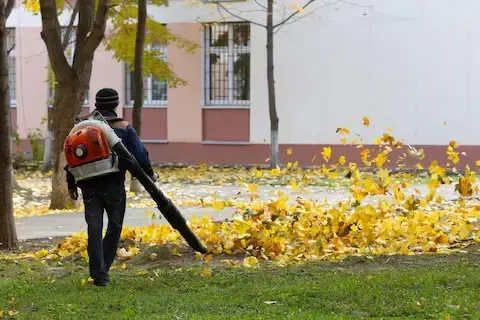
Effective leaf management in Fort Wayne requires understanding the volume and timing of leaf drop from common local tree species. Sugar maples, red oaks, and honey locusts dominate many neighborhoods, each dropping leaves at different intervals throughout October and November.
Begin monitoring leaf accumulation in early October. Remove leaves from lawn areas when they cover more than 50% of the grass surface. Thick leaf layers block sunlight and create moisture retention that promotes fungal diseases during Fort Wayne's humid autumn conditions.
Consider mulching smaller quantities of leaves directly into lawn areas using a mulching mower. This technique works well with oak and maple leaves that break down quickly in our clay-heavy soils. Larger volumes require removal to prevent grass suffocation during the long winter months.
Leaves collected from diseased trees should never be composted or left on property. Black spot on maples and anthracnose on sycamores are common in the Fort Wayne area and can overwinter in leaf debris.
Perennial and Garden Bed Preparation
Garden bed cleanup timing depends on plant species and your landscape goals. Cut back spent perennials after the first hard frost kills above-ground growth, typically occurring between October 20th and November 5th in the Fort Wayne area.
Leave ornamental grasses like fountain grass and miscanthus standing through winter. These provide visual interest during long Indiana winters and offer seed sources for beneficial birds. Cut them back in late February or early March before new growth emerges.
Remove all diseased plant material immediately. Tomato and pepper plants affected by late blight should be bagged and disposed of rather than composted. This prevents disease spores from overwintering in your soil and affecting next year's garden.
Apply a 2-3 inch layer of aged compost or shredded leaves around perennials after cutting them back. This Fall Cleanup mulch layer moderates soil temperature fluctuations during freeze-thaw cycles common in northeast Indiana winters.
Lawn Care Finishing Tasks
Final lawn treatments in Fort Wayne should align with grass dormancy timing. Cool-season grasses like fescue and bluegrass remain active until soil temperatures drop below 40°F, usually occurring in mid to late November.
Complete final mowing when grass growth slows significantly, typically the first week of November. Cut grass to 2-2.5 inches for winter. Longer grass provides better root insulation, while shorter cuts reduce snow mold risks in areas with poor drainage.
Apply winterizer fertilizer between October 15th and November 1st. This timing allows nutrients to be absorbed before dormancy while avoiding late-season growth spurts that reduce cold hardiness. Use a fertilizer with higher potassium content to improve winter stress tolerance.
Address drainage issues before ground freezes. Poor drainage areas in Fort Wayne's clay soils create ice dams and standing water that damage grass crowns during winter months.
Tree and Shrub Maintenance Considerations
Late fall presents optimal timing for certain tree and shrub tasks while others should be avoided. Pruning timing affects plant health and flowering potential for the following growing season.
Avoid pruning spring-flowering shrubs like lilacs and forsythia after August. These plants form flower buds for next year's display during late summer. Fall pruning removes these buds and reduces spring flowering.
Remove dead, damaged, or diseased branches any time of year. These pose safety risks during winter storms and provide entry points for insects and diseases. Focus on branches that could fall on structures or walkways during ice and snow events.
Wrap vulnerable evergreens like arborvitae and yews if they face winter wind exposure. Fort Wayne's open terrain allows strong northwest winds that desiccate evergreen foliage during winter months when roots cannot replace lost moisture from frozen soil.
Equipment and Material Planning
Successful fall cleanup requires proper equipment selection and maintenance before peak season arrives. Planning prevents delays when weather windows close quickly during Fort Wayne's unpredictable autumn conditions.
Service mowing equipment before final cuts. Change oil, replace air filters, and sharpen blades to ensure clean cuts that heal properly before winter. Ragged cuts from dull blades create entry points for diseases and winter injury.
Stock up on leaf bags, compost bins, or arrange for debris cleanup planning reference services before peak leaf drop. Municipal yard waste collection in Fort Wayne typically ends in December, creating urgency for timely removal.
Organize tool storage and winter preparation simultaneously with property cleanup. Clean and oil hand tools before storing them in dry locations. Drain and store hoses to prevent freeze damage during sub-zero temperatures common in northeast Indiana.
Weather Monitoring and Flexibility
Fort Wayne's variable autumn weather requires flexible planning and constant monitoring of conditions. Early snowfalls or extended warm periods can disrupt typical cleanup schedules and require schedule adjustments.
Track long-range weather forecasts starting in September. The National Weather Service office in Northern Indiana provides detailed forecasts specific to our microclimate conditions. Plan major cleanup tasks during predicted dry periods of three or more consecutive days.
Prepare for early winter weather by completing priority tasks first. Focus on safety-related items like removing dead branches and clearing gutters before aesthetic tasks like detailed bed cleanup. Ice storms can arrive as early as November in northeast Indiana.
Monitor soil moisture conditions when scheduling lawn treatments and major cleanup activities. Working on saturated clay soils common in Fort Wayne creates compaction that persists through multiple growing seasons.
Professional Service Coordination
Coordinating professional services requires early booking and clear communication about property priorities. Fall cleanup season in Fort Wayne creates high demand for quality landscape services, making advance planning essential.
Schedule tree work and major pruning by mid-September. Certified arborists book up quickly as property owners prepare for winter storm season. Emergency tree removal costs significantly more than planned maintenance.
Coordinate multiple service providers to maximize efficiency and minimize property disruption. Schedule gutter cleaning, roof maintenance, and landscape cleanup during the same time periods when weather permits. This approach reduces costs and completion time.
Establish clear expectations about debris removal and disposal methods. Some services include disposal while others leave materials for property owner handling. Clarify these details before work begins to avoid misunderstandings during busy fall schedules.