End-of-Summer Debris Cleanup in Fort Wayne, IN: Tips
August in Fort Wayne marks a transition point most homeowners don't think about until it's too late. The lawn has been through months of heat, foot traffic, summer storms, and steady organic accumulation — and now, with fall approaching, what you do in the next few weeks directly affects how your turf rebounds. End-of-summer debris cleanup isn't just about appearances. It's about giving your lawn the best possible conditions heading into the fall growth window, when cool-season grasses in Indiana do a significant portion of their annual recovery work.
Why Late August Is the Right Time to Act
Most Fort Wayne homeowners think of lawn cleanup as a fall chore — something you do when the leaves are down and the season is visibly over. But waiting that long means your lawn spends weeks under a layer of decomposing material during the exact period it's trying to push new growth. Cool-season grasses like Kentucky bluegrass and tall fescue, which are common throughout northeast Indiana, begin their recovery phase as temperatures drop in September. If debris is sitting on the surface when that window opens, root development and lateral spread are both compromised.
Clearing debris in late August — before fall truly sets in — means your soil can breathe, sunlight can reach the turf canopy, and any overseeding or fertilization you plan to do will actually make contact with the ground. The timing matters more than most people realize.
What Summer Debris Actually Includes
It's easy to think of debris as just fallen branches and leaves, but by late August the accumulation is more varied than that. A thorough end-of-summer sweep should account for all of the following:
- Thatch buildup: A thin layer of thatch is normal, but summer heat and dry periods can accelerate its accumulation. If the thatch layer exceeds half an inch, it starts blocking water and fertilizer from reaching the root zone.
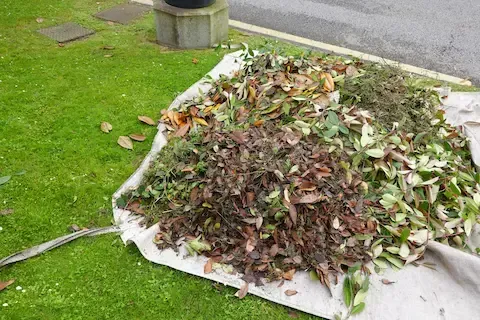
- Storm debris: Fort Wayne sees its share of summer thunderstorms. Small branches, seed pods, bark fragments, and leaf litter from those events tend to settle into the lawn and begin decomposing against the soil surface.
- Grass clippings left from mowing: If clippings weren't mulched properly throughout the summer, they can mat and create surface blockages, especially in areas with slower airflow.
- Dead annuals and pulled weeds: Garden beds adjacent to lawn areas often have spent plants and weed remnants that can blow into the grass or create shading along border edges.
- Compacted surface soil: High foot traffic zones — backyard play areas, pathways, fire pit surrounds — can develop compaction over summer that needs to be addressed before fall aeration or overseeding.
Pre-Fall Prep Steps for Fort Wayne Lawns
Once you've identified what's on your lawn, the cleanup process itself follows a logical sequence. Working through these steps in order makes the job more efficient and ensures you're not undoing work as you go.
Start by raking or blowing surface debris off the lawn and away from beds. Don't simply blow it into garden borders — bag it or compost it. From there, assess the thatch layer by pulling back a small section of turf with a hand rake. If it's thick, a dethatching pass with a power rake will open the surface significantly before you do anything else. Next, inspect your mowing height. Cutting your lawn slightly shorter than your summer height — not scalping it, but bringing it down a notch — in late August lets more light reach the soil surface and reduces the mass of material sitting on top of the canopy going into fall.
After surface cleanup, consider whether aeration makes sense for your yard. Fort Wayne's clay-heavy soils compact easily, and core aeration before overseeding in early September is one of the highest-return investments you can make for cool-season turf. The plugs pulled up will break down over a few weeks and the channels left behind allow seed, fertilizer, and water to penetrate much more effectively. If you're planning to overseed, this is the step that makes the difference. For more background on how organic material left on your lawn affects what comes next, the post on summer tree debris impact on Fort Wayne lawns covers that in detail.
Common Mistakes During End-of-Summer Cleanup
The most frequent mistake homeowners make is confusing a surface cleanup with a complete prep. Blowing leaves and raking a few branches off the lawn looks like progress, but if the thatch is still there, the soil is still compacted, and the mowing height hasn't been adjusted, the lawn hasn't actually been set up for fall. The visual improvement doesn't translate to turf health.
Another common issue is timing overseeding too early. If you seed in August before nighttime temperatures are consistently in the 50s and 60s, germination rates suffer and the seedlings that do emerge are competing with summer weeds that are still active. In Fort Wayne, the first two weeks of September are typically the sweet spot for overseeding — cool enough for good germination, warm enough that seedlings establish before the first frost.
Finally, many homeowners skip the edges. Turf along fence lines, under trees, and against hardscaping accumulates more debris than open lawn areas because of how material settles and stays. These zones also tend to have more thatch and more shade stress. Spending extra time along these borders during cleanup often reveals the worst of the summer damage.
Local Conditions Worth Knowing
Fort Wayne's geography puts it in a position where late August weather can vary significantly year to year. In dry summers, the lawn may already be showing dormancy stress by August — areas near concrete and along south-facing slopes often go dormant first. In wet summers, fungal pressure can leave patches of matted turf that look like debris but are actually dead grass that needs to be cleared and overseeded.
The Allen County area also tends to hold moisture in low-lying yards, which can accelerate thatch decomposition in some zones while creating anaerobic conditions in others. If your yard has drainage issues, addressing those as part of your cleanup — even just clearing surface obstructions away from downspout outlets — reduces the risk of fungal issues persisting into the fall.
When Professional Cleanup Makes Sense
For most homeowners, a combination of their own effort and a single professional service visit can cover everything needed before fall. The tasks most worth outsourcing are dethatching and core aeration, both of which require equipment that's genuinely cumbersome to rent, transport, and operate for a single-use job. Professional crews also tend to identify lawn issues — fungal patches, grub damage, soil compaction zones — that aren't obvious to the untrained eye.
If your yard has significant tree coverage, accumulated branch debris, or areas that haven't been maintained consistently through the summer, Debris Cleanup handled by an experienced crew can consolidate several prep steps into one visit, saving time and ensuring the lawn surface is genuinely ready for what fall demands of it.
Setting the Lawn Up for the Season Ahead
The work you do before fall arrives in Fort Wayne determines how well your turf enters dormancy and how quickly it rebounds the following spring. Debris left on the lawn doesn't just sit there — it smothers, compacts, and harbors the conditions that weaken turf over time. Late August is the window to act, and the steps involved aren't complicated. They just require doing them in the right order, at the right time, with the right attention to what's actually on and under the surface. Get ahead of it now, and the fall lawn care window becomes a lot more productive.