How De-Icing Impacts Spring Grass Recovery In Fort Wayne
Winter de-icing applications create lasting effects on your Fort Wayne lawn that extend well beyond the snow melting season. The salt and chemical compounds used to keep driveways and walkways safe during Indiana's harsh winters don't simply disappear when temperatures rise. Instead, these materials accumulate in soil and affect grass recovery patterns throughout spring and early summer.
Understanding Salt Accumulation in Fort Wayne Soils
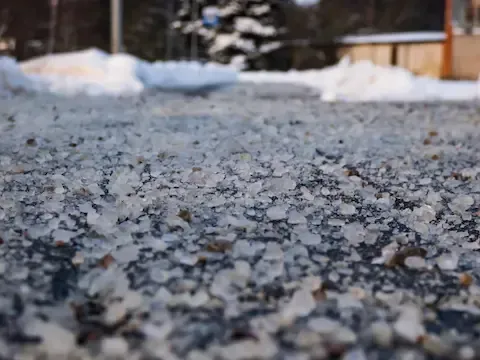
Rock salt and calcium chloride, the most common de-icing agents used in northeast Indiana, dissolve into soil as snow melts. Fort Wayne's clay-heavy soils tend to retain these salts longer than sandy soils found in other regions. The sodium and chloride ions alter soil chemistry by increasing salinity levels and disrupting the natural balance of nutrients your grass needs for healthy spring growth.
Salt damage typically appears as brown, dying grass along driveway edges, walkways, and areas where snow was piled during winter months. You'll notice these symptoms becoming more pronounced as temperatures warm and grass attempts to emerge from winter dormancy. The damage occurs because excessive salt prevents grass roots from absorbing water effectively, creating drought-like conditions even when soil moisture appears adequate.
How De-Icing Chemicals Affect Soil Chemistry
Beyond direct salt damage, de-icing products alter soil pH levels and nutrient availability in your Fort Wayne lawn. Calcium chloride raises soil pH, making it more alkaline, while sodium chloride can cause soil structure problems by breaking down clay particles. These changes reduce your soil's ability to hold nutrients and water, creating challenging conditions for grass recovery.
The chemical runoff also affects beneficial soil microorganisms that support healthy grass growth. These microbes play crucial roles in breaking down organic matter and making nutrients available to grass roots. When salt levels become too high, these beneficial organisms die off, further complicating spring recovery efforts.
Professional De-Icing services understand these soil chemistry impacts and can recommend application methods that minimize long-term lawn damage while maintaining winter safety.
Identifying Salt-Damaged Areas
Salt damage manifests differently depending on your grass type and the severity of exposure. Cool-season grasses common in Fort Wayne, such as tall fescue and perennial ryegrass, show damage through yellowing leaf tips that progress to complete browning. Areas closest to treated surfaces typically show the most severe symptoms.
You may also notice irregular growth patterns where some sections of your lawn green up normally while salt-affected areas remain dormant longer. These damaged zones often develop a crispy, burned appearance that distinguishes salt damage from other common lawn problems like winter kill or fungal diseases.
Spring Recovery Challenges and Solutions
Salt-damaged grass faces multiple recovery challenges during Fort Wayne's spring season. The accumulated salt must be flushed from soil through natural rainfall or irrigation before healthy growth can resume. Unfortunately, this process can take several months, depending on winter salt application rates and spring precipitation patterns.
Successful recovery requires both patience and targeted intervention. Begin by testing soil in affected areas to determine salt levels and pH changes. Many Fort Wayne garden centers offer soil testing services, or you can contact the Allen County Extension office for testing recommendations specific to northeast Indiana conditions.
Once you understand the extent of salt accumulation, focus on dilution and displacement. Deep watering helps move salts below the root zone, but avoid overwatering, which can create additional problems in Fort Wayne's clay soils. Apply water slowly and deeply rather than frequent shallow watering sessions.
Rehabilitation Techniques for Damaged Areas
Severely damaged areas may require complete renovation, including soil amendment and reseeding. Add organic matter such as compost to improve soil structure and help buffer against future salt damage. Gypsum applications can also help displace sodium ions and improve clay soil conditions common throughout the Fort Wayne area.
For less severe damage, overseeding with salt-tolerant grass varieties can help restore density. Tall fescue shows better salt tolerance than many other cool-season grasses and performs well in Fort Wayne's climate conditions. Apply a balanced fertilizer with lower sodium content to support new growth without adding to existing salt problems.
Prevention Strategies for Future Winters
Preventing salt damage requires strategic planning before winter weather arrives. Consider alternative de-icing products that cause less lawn damage, such as calcium magnesium acetate or potassium chloride. While these products cost more than rock salt, they reduce spring recovery problems significantly.
Physical barriers can also protect vulnerable lawn areas. Install snow fencing or temporary barriers to redirect snow plow discharge away from grass. Create designated snow storage areas on paved surfaces rather than piling snow directly on lawn areas where salt will concentrate as melting occurs.
Learning about de-icing essentials for residents can help you make informed decisions about product selection and application methods that balance safety needs with lawn protection.
Professional Assessment and Treatment Options
Complex salt damage situations often benefit from professional evaluation and treatment. Lawn care professionals familiar with Fort Wayne soil conditions can assess damage severity and recommend appropriate recovery strategies. They can also provide specialized treatments such as soil amendments designed specifically for salt remediation.
Professional services may include soil testing, targeted fertilization programs, and specialized seeding techniques that improve success rates in challenging recovery situations. Many Fort Wayne lawn care companies offer spring damage assessment services that help property owners understand the full scope of winter-related problems.
Consider professional consultation particularly for valuable landscape areas or when damage affects large portions of your property. Early intervention often proves more cost-effective than attempting to address severe damage after it becomes well-established.
Long-Term Lawn Health Considerations
Salt damage effects can persist for multiple growing seasons, particularly in areas with repeated exposure. Developing a long-term recovery plan helps restore lawn health while building resilience against future winter damage. This approach typically involves gradual soil improvement, strategic grass variety selection, and modified maintenance practices.
Monitor recovered areas closely during subsequent winters and springs. Previously damaged grass may show increased sensitivity to salt exposure, requiring additional protective measures or more aggressive spring treatment protocols. Understanding these patterns helps you develop more effective prevention and recovery strategies over time.