Lawn Care And Snow Removal Fort Wayne Homeowners Trust Year-Round
Why Fort Wayne Homeowners Choose Year-Round Property Care
One call covers your lawn and snow needs all year.
Managing a Fort Wayne property means dealing with aggressive cool-season grass growth in summer and heavy snowfall in winter. Most homeowners either hire two separate companies or spend their weekends behind a mower and a shovel. Our year-round service eliminates that hassle. We handle your lawn from the first mow in April through fall cleanup, then transition seamlessly into snow clearing, de-icing, and winter sidewalk maintenance. One provider, one schedule, twelve months of reliable service.
Our crews live and work in Allen County. We know that Fort Wayne clay soil compacts easily and drains poorly. We know that lake-effect snow bands can drop six inches overnight with no warning. We know that residential streets are last on the city's 18-route plowing priority system. That local knowledge shapes every service we provide, from mowing heights calibrated to Zone 5b grass types to de-icing products selected for Fort Wayne's freeze-thaw temperature swings.
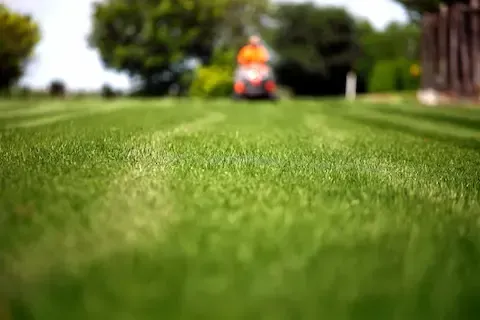
Year-round residential service covering both lawn season and snow season with one trusted provider
Fast response snow clearing so your driveway, sidewalks, and entrances are safe before you leave for work
Consistent weekly mowing schedules calibrated to Fort Wayne's cool-season grass growth patterns
Local crews who understand Allen County clay soil, Zone 5b winters, and what Fort Wayne properties actually need
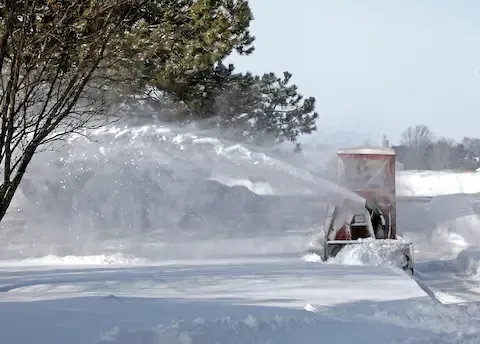
Residential Lawn Care And Snow Removal Across Fort Wayne And Nearby Communities
Your Year-Round Property Care Partner in Fort Wayne
Our residential lawn care and snow removal services extend beyond Fort Wayne into the neighboring communities that make up our tight service area. Whether you live in New Haven just east of the city, up in Huntertown along Lima Road, out in Leo-Cedarville near Cedar Creek, or in the smaller communities of Grabill and Woodburn, our crews service your property with the same consistency and attention we bring to every Fort Wayne neighborhood. Keeping our radius tight means faster snow response times in winter and reliable mowing schedules all summer long.
Proudly serving Fort Wayne, New Haven, Huntertown, Leo-Cedarville,
Comprehensive Lawn Care And Snow Removal Services in Fort Wayne
Tailored to Your Needs
We provide a complete range of residential lawn care and snow removal services designed for Fort Wayne homeowners who want reliable year-round property maintenance. Each service is built around the specific conditions Allen County properties face, from heavy clay soil and cool-season turf management to winter snowfall averaging over 33 inches annually. Whether you need weekly mowing through summer, full snow clearing after a January storm, or seasonal cleanup during spring and fall transitions, every service connects into a single property care plan that keeps your home looking its best twelve months a year.
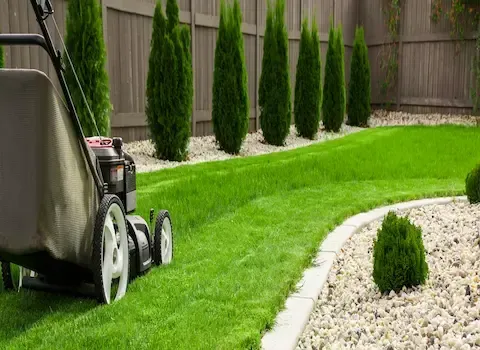
Weekly residential lawn mowing calibrated to Fort Wayne's cool-season grasses and clay soil conditions.
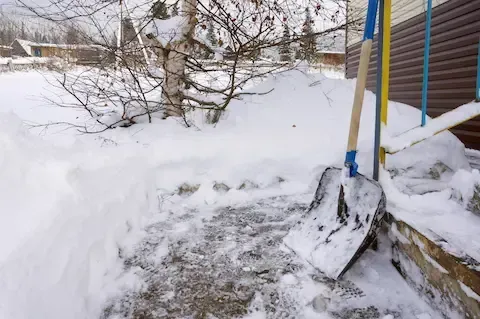
Residential entrance snow clearing and ice treatment for every access point of your Fort Wayne home.
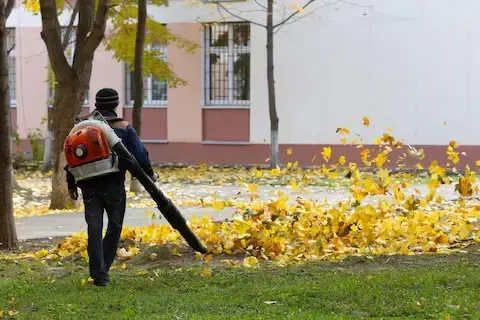
Complete fall cleanup to remove leaves, debris, and prepare your Fort Wayne lawn for winter dormancy.

Post-winter spring cleanup to restore your Fort Wayne lawn after months of snow and ice.
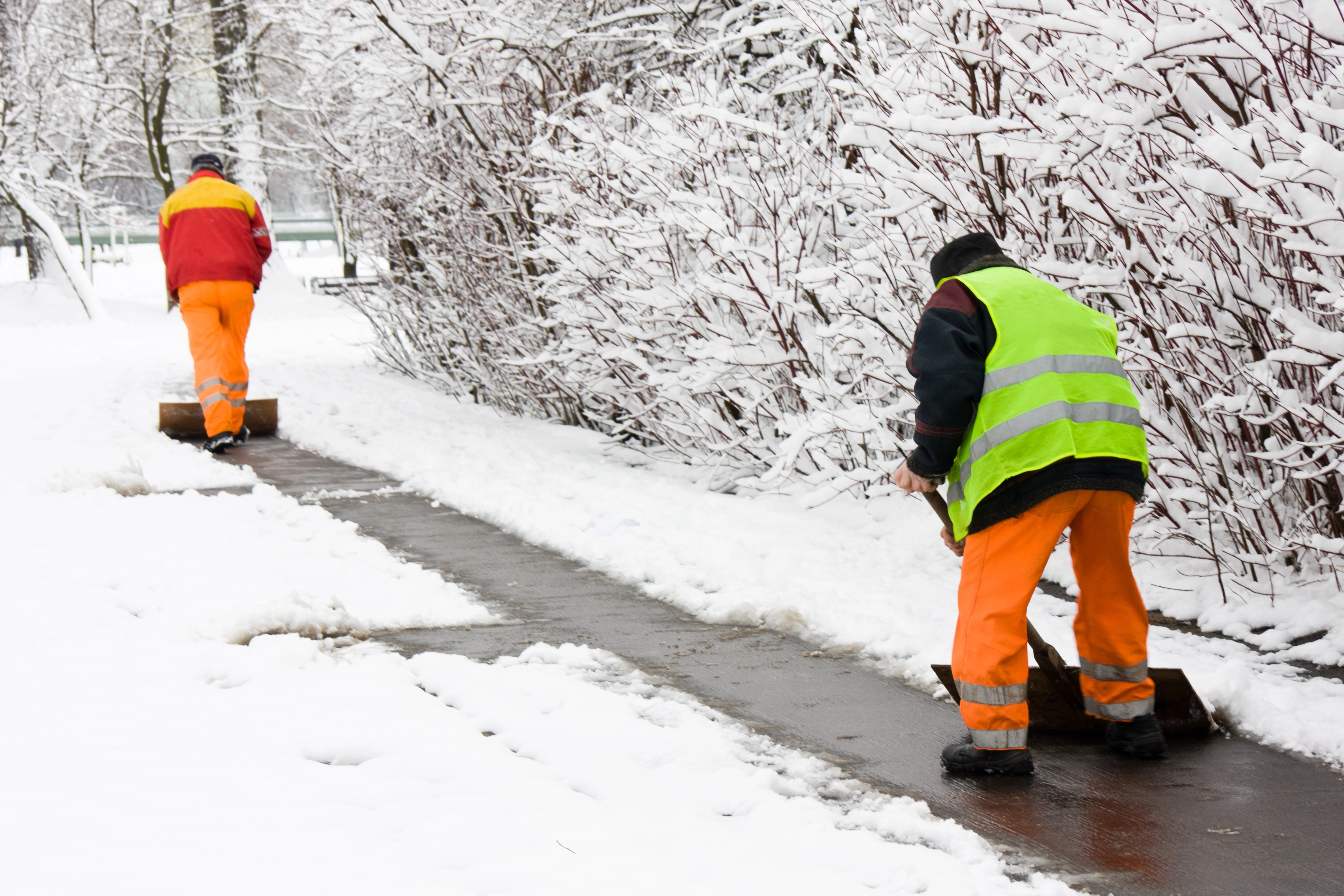
Complete residential snow removal for Fort Wayne homes including driveways, walkways, and sidewalks.
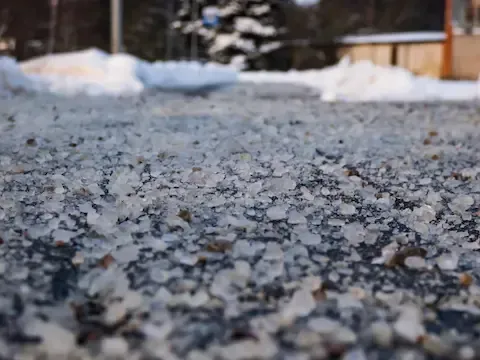
Professional de-icing for Fort Wayne residential driveways, sidewalks, and walkways throughout winter.
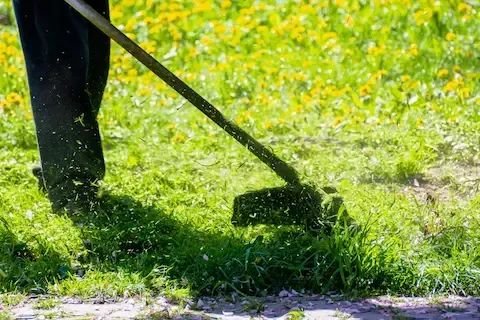
Professional edging and trimming that gives Fort Wayne residential properties clean, defined borders.
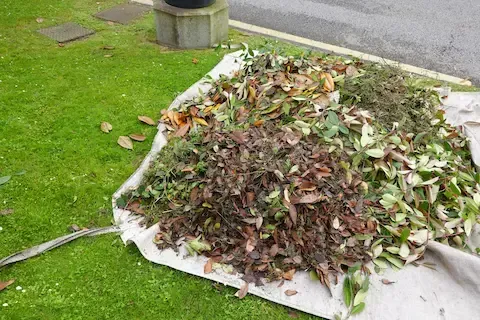
Prompt debris cleanup and removal for Fort Wayne residential properties after storms and throughout the year.
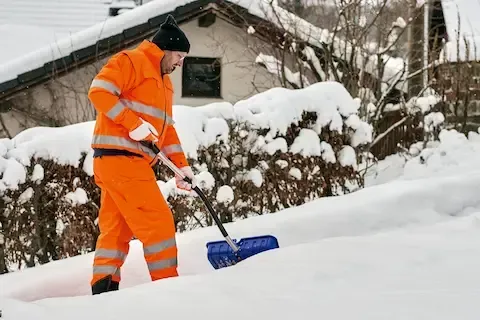
Reliable residential driveway snow clearing and treatment after every Fort Wayne snowfall event.
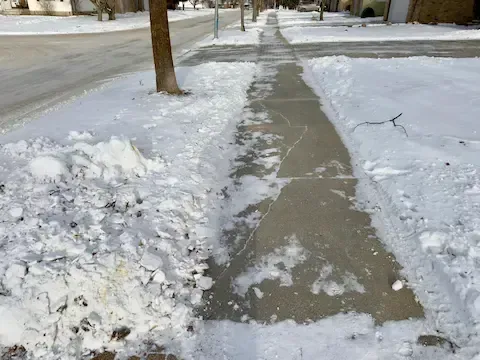
Residential sidewalk clearing and de-icing to keep you compliant and your neighbors safe in Fort Wayne.
Frequently Asked Questions about Lawn Care And Snow Removal in Fort Wayne
Lawn Care And Snow Removal solutions can be complex, and we’re here to provide answers to common questions.
Here are some frequently asked questions from our clients.
What makes Fort Wayne lawns and snow removal different from other areas?
Fort Wayne sits in USDA Zone 5b with heavy clay soil and 33.6 inches of average annual snowfall. These conditions mean your lawn needs cool-season grass varieties like Kentucky bluegrass and tall fescue, while your property requires reliable snow clearing from late November through early March. A year-round service partner handles both seasons so your property stays maintained regardless of weather conditions.
How often should I schedule lawn and snow services throughout the year?
We recommend weekly mowing from mid-April through October and on-call snow clearing services from November through March. During seasonal transitions in spring and fall, cleanup services bridge the gap between winter damage recovery and active growing season maintenance. This keeps your property looking sharp every month of the year.
How long does a typical service visit take?
Most residential lawn mowing visits take between 30 and 60 minutes depending on lot size and terrain. Snow clearing timelines depend on accumulation, but we prioritize getting your driveway, sidewalks, and entrances cleared within hours of snowfall so you can get to work safely. We work around Fort Wayne's 18 snow route priority system so residential areas get prompt attention.
Why does Allen County clay soil matter for my lawn?
Allen County's heavy clay soil compacts easily and drains poorly, which means lawns need regular attention to stay healthy. Compacted clay suffocates grass roots and creates standing water after rain or snowmelt. Proper mowing height, seasonal cleanup, and timely edging all help manage clay soil challenges specific to Fort Wayne properties.
What areas do you serve around Fort Wayne?
We serve residential properties throughout Fort Wayne and surrounding communities including New Haven, Huntertown, Leo-Cedarville, Grabill, and Woodburn. Our tight service radius means faster response times for snow clearing and consistent scheduling for lawn mowing throughout the growing season.
How do I get started with your services?
Scheduling is simple. Contact us with your address and the services you need, and we will assess your property and provide a clear quote. Most residential clients are set up and on the schedule within a few days. We offer both seasonal contracts and individual service options depending on your needs.
Ready to take your property off your to-do list? Contact us today for a free estimate on residential lawn care and snow removal services in Fort Wayne and surrounding communities.
What Our Satisfied Clients Have to Say About Fort Wayne Lawn & Snow
We pride ourselves on delivering great results and experiences for each client. Hear directly from home and business owners who’ve trusted us with their Lawn Care And Snow Removal needs.

They mowed our lawn all summer and cleared our driveway every time it snowed last winter. Not having to find a separate snow removal company was a huge relief. The crew always showed up when they said they would and our yard looked great from April straight through to the next spring.
Sarah M., Fort Wayne
I work early mornings and my driveway and sidewalk were always cleared before I left for the day. That matters when Fort Wayne gets hit with those overnight storms. Come spring they were right back out cleaning up and getting the lawn ready for mowing season. Best decision I made was going year-round with one company.
James T., New Haven
Our property is on a corner lot with a long sidewalk that Fort Wayne requires us to keep clear. They handle the sidewalk, the driveway, and our front entrance every snow event without us even calling. In summer the edging and mowing keep our corner lot looking better than it ever has. Reliable, professional, and they actually know what they are doing.
Linda K., Huntertown
The Trusted Lawn Care And Snow Removal Expert Near You
Ready to hear more about expert services at Fort Wayne Lawn & Snow?
Contact us today to receive a detailed, no-obligation quote.

Serving Fort Wayne & the surrounding metro
24/7
