Residential Lawn and Snow Solutions Serving Grabill Properties
Lawn Maintenance Built for Grabill's Rural Residential Character
Residential properties in Grabill carry a mix of characteristics that make cookie-cutter lawn care a poor fit. Older homes on larger parcels with established trees, garden areas, and outbuildings require mowing routes that navigate around fixed features rather than running straight lines across open turf. Newer homes built along the community's expanding edges sit on clay lots that were recently agricultural land, and these properties face the same root establishment challenges that affect new construction throughout Allen County. The soil in this area is heavy clay that compacts under traffic, drains slowly after rain, and freezes into a solid mass each winter that heaves shallow root systems and damages turf crowns. Growing season maintenance needs to work with these soil realities rather than against them, keeping mowing height elevated to promote deeper root growth and scheduling visits to avoid working on saturated ground that compacts under equipment weight. Lot sizes in Grabill tend to run larger than what you find in compact suburban subdivisions, which means more total turf area that needs consistent weekly attention during the active growing months. The rural residential character of much of the community also means properties border agricultural fields and open land where weed seed pressure from adjacent unmaintained ground is a constant challenge. Building a dense, healthy turf canopy through proper mowing practices is the most effective long-term defense against that external pressure.
Dependable Winter Clearing for Grabill Homes
Winter conditions in Grabill follow the same Allen County patterns that deliver an average accumulation well above what many Indiana communities see annually. The community's rural road infrastructure means residential streets and connecting roads often see plowing attention well after main arterials have been cleared, leaving homeowners to manage their own property access during and after significant storm events. Properties with longer driveways or setbacks from the road face clearing distances that make manual shoveling impractical during heavy accumulation, particularly the wet, dense snow that characterizes many Allen County winter storms. The older housing stock scattered throughout the community includes walkway configurations, porch layouts, and entrance approaches that were not designed with modern snow clearing equipment in mind, requiring careful manual attention to keep every access point safe. Freeze-thaw cycling through January and February turns partially cleared surfaces into ice hazards that persist until temperatures stay above freezing or proper de-icing products are applied after each clearing event. Managing winter property access consistently from the first November snow through the last March accumulation keeps homes functional and safe regardless of storm intensity or duration. When that winter service connects directly to spring cleanup and the start of mowing season, the property never experiences the neglect gap that separate seasonal providers inevitably create.
Mowing and Turf Care for Grabill Residential Properties
Mowing residential properties in Grabill means working with the varied lot layouts and ground conditions that give this community its distinct character. Larger parcels with mature trees, garden plots, and accessory buildings require navigation around permanent features that change the mowing pattern from property to property. Open turf areas on these lots grow aggressively during the cool spring and fall periods when Kentucky bluegrass and fescue blends in Zone 5b push their strongest top growth. Weekly mowing during these peak periods prevents the overgrowth that leads to clumping, uneven cut quality, and stress on root systems already challenged by heavy clay soil. During the hotter summer weeks when cool-season growth slows, mowing frequency and height are adjusted to avoid scalping dormant or semi-dormant turf. Newer construction lots along the community's growth edges need the same attention to mowing height and frequency, but the turf establishment challenges on these recently graded clay lots add a layer of care that more established lawns do not require. Every service visit includes edging along hardscaped surfaces and clipping management that returns nutrients to the soil when appropriate or removes excess volume when growth surges produce more material than the lawn can absorb. The consistent weekly presence on the property also means developing issues like drainage problems, pest damage, or disease onset get noticed early rather than discovered after the damage has spread.
Snow Clearing and Ice Management in Grabill
Snow clearing in Grabill addresses the winter access challenges specific to this community's residential layout and rural infrastructure position. Longer driveways are common here, and many properties feature surface materials ranging from concrete and asphalt to gravel, each requiring adjusted clearing techniques to remove snow effectively without damaging the surface underneath. Gravel driveways need raised blade settings that clear accumulation while keeping the stone surface intact, while hard surfaces get full clearing down to the surface followed by de-icing treatment appropriate for the material. Walkways, porch steps, and entrance areas receive careful hand clearing and treatment because these are the access points where residents are most likely to encounter slip hazards during and after winter storms. The community's position in eastern Allen County means residential road clearing often takes longer than in more centrally located Fort Wayne neighborhoods, extending the window during which homeowners depend entirely on their own cleared property for safe access. Our clearing service operates on accumulation triggers, beginning work during active snowfall events rather than waiting for storms to end. Each property has an established stacking plan that directs snow to locations that minimize spring drainage issues, protect landscape plantings, and avoid concentrating melt water against foundations. This proactive approach keeps Grabill properties continuously accessible through even the most extended winter weather events.
Seasonal Cleanup for Year-Round Property Health
Seasonal transition services for Grabill properties manage the fall and spring periods that bookend the growing season and set the stage for turf health year over year. Fall cleanup in this community deals with substantial leaf and debris accumulation from the mature deciduous trees found throughout older residential sections and along property borders with agricultural and wooded land. This organic material must come off lawn surfaces before the first lasting snowfall to prevent the moisture trapping and light blocking that causes snow mold and fungal disease during the months turf sits dormant under snow cover. Our fall cleanup process removes leaves from all turf areas and planting beds, clears accumulated debris from drainage paths and low-lying areas, and finishes with a final mow at the appropriate height to prepare grass crowns for winter dormancy. Spring transition begins with a thorough property assessment once conditions allow access without causing further compaction damage to saturated clay soil. Turf areas are evaluated for snow mold damage, ice scald, and physical wear from winter clearing activities. Drainage restoration addresses any disruptions caused by snow stacking, and debris from winter weather events gets cleared before the first mowing cycle begins. Managing these transitions under one service eliminates the communication gaps and scheduling delays that occur when separate providers handle different seasons.
Comprehensive Lawn Care And Snow Removal Services in Fort Wayne
Tailored to Your Needs
We provide a complete range of residential lawn care and snow removal services designed for Fort Wayne homeowners who want reliable year-round property maintenance. Each service is built around the specific conditions Allen County properties face, from heavy clay soil and cool-season turf management to winter snowfall averaging over 33 inches annually. Whether you need weekly mowing through summer, full snow clearing after a January storm, or seasonal cleanup during spring and fall transitions, every service connects into a single property care plan that keeps your home looking its best twelve months a year.
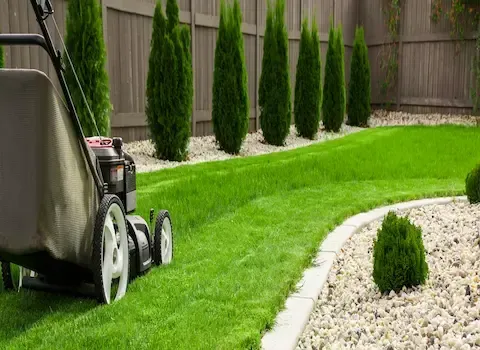
Weekly residential lawn mowing calibrated to Fort Wayne's cool-season grasses and clay soil conditions.
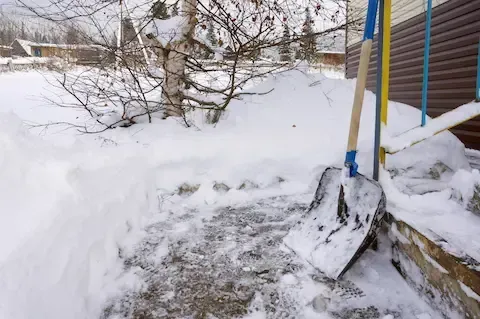
Residential entrance snow clearing and ice treatment for every access point of your Fort Wayne home.
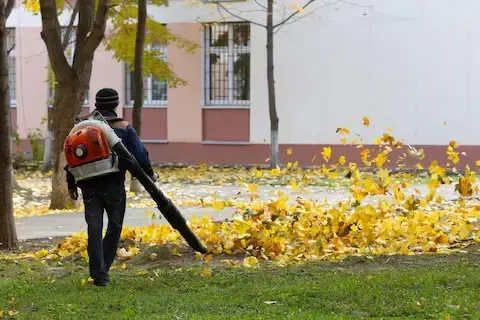
Complete fall cleanup to remove leaves, debris, and prepare your Fort Wayne lawn for winter dormancy.
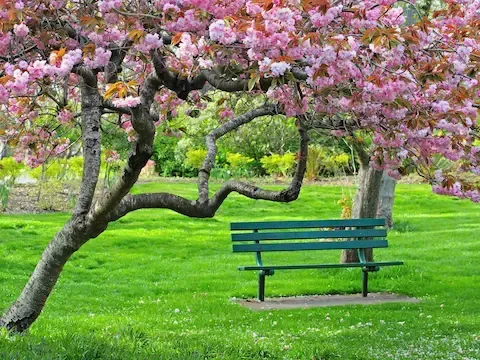
Post-winter spring cleanup to restore your Fort Wayne lawn after months of snow and ice.
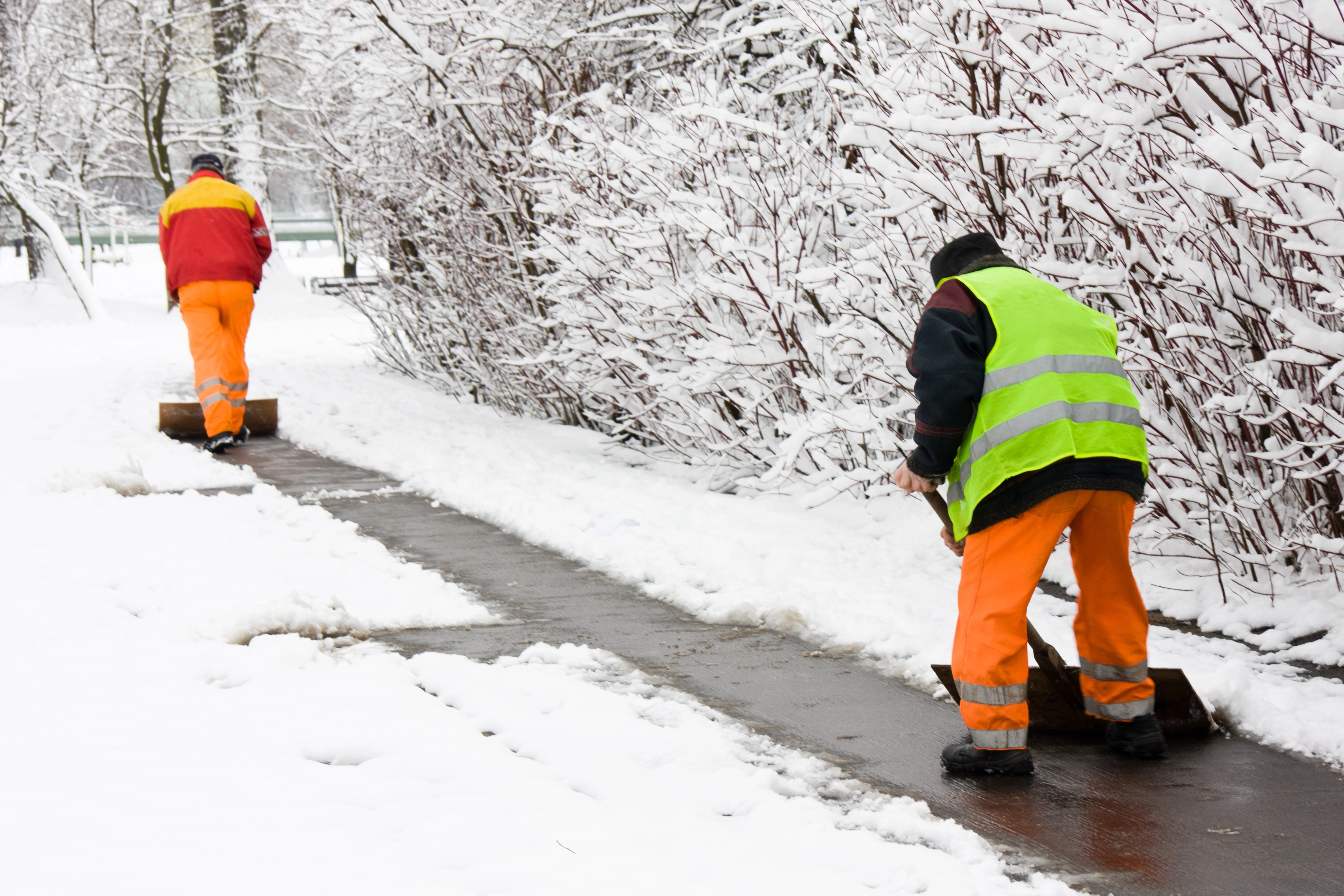
Complete residential snow removal for Fort Wayne homes including driveways, walkways, and sidewalks.
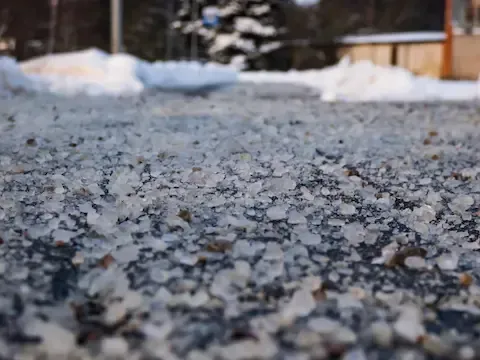
Professional de-icing for Fort Wayne residential driveways, sidewalks, and walkways throughout winter.
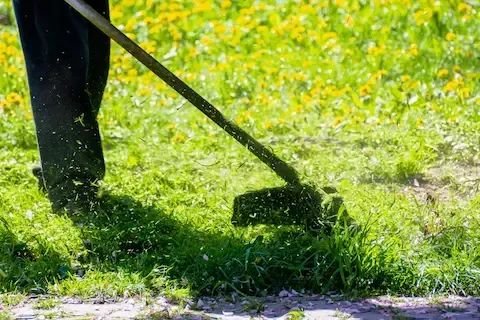
Professional edging and trimming that gives Fort Wayne residential properties clean, defined borders.
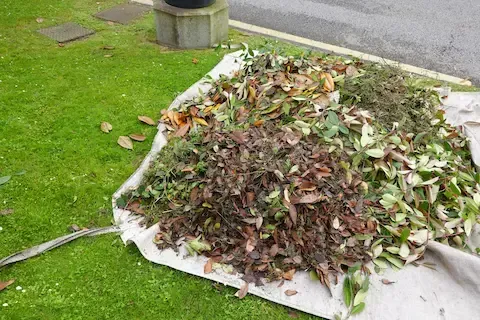
Prompt debris cleanup and removal for Fort Wayne residential properties after storms and throughout the year.
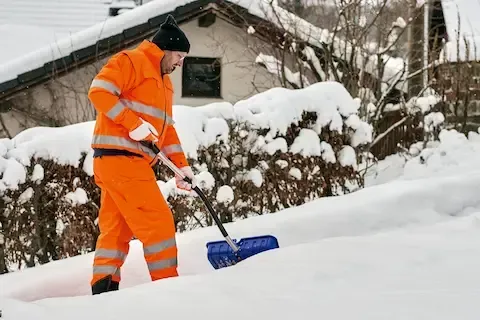
Reliable residential driveway snow clearing and treatment after every Fort Wayne snowfall event.
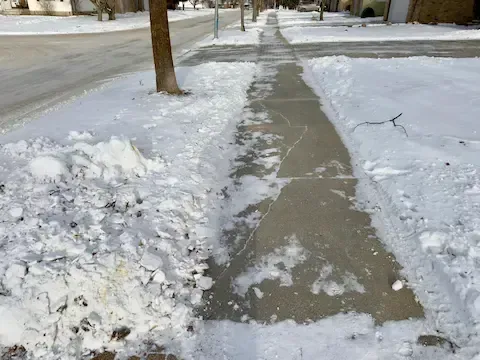
Residential sidewalk clearing and de-icing to keep you compliant and your neighbors safe in Fort Wayne.
Frequently Asked Questions
Lawn Care And Snow Removal can be complex, and we’re here to provide answers to common questions. Here are some frequently asked questions from our clients.
Frequently Asked Questions about Lawn Care And Snow Removal Fort Wayne
What makes Fort Wayne lawns and snow removal different from other areas?
Fort Wayne sits in USDA Zone 5b with heavy clay soil and 33.6 inches of average annual snowfall. These conditions mean your lawn needs cool-season grass varieties like Kentucky bluegrass and tall fescue, while your property requires reliable snow clearing from late November through early March. A year-round service partner handles both seasons so your property stays maintained regardless of weather conditions.
How often should I schedule lawn and snow services throughout the year?
We recommend weekly mowing from mid-April through October and on-call snow clearing services from November through March. During seasonal transitions in spring and fall, cleanup services bridge the gap between winter damage recovery and active growing season maintenance. This keeps your property looking sharp every month of the year.
How long does a typical service visit take?
Most residential lawn mowing visits take between 30 and 60 minutes depending on lot size and terrain. Snow clearing timelines depend on accumulation, but we prioritize getting your driveway, sidewalks, and entrances cleared within hours of snowfall so you can get to work safely. We work around Fort Wayne's 18 snow route priority system so residential areas get prompt attention.
Why does Allen County clay soil matter for my lawn?
Allen County's heavy clay soil compacts easily and drains poorly, which means lawns need regular attention to stay healthy. Compacted clay suffocates grass roots and creates standing water after rain or snowmelt. Proper mowing height, seasonal cleanup, and timely edging all help manage clay soil challenges specific to Fort Wayne properties.
What areas do you serve around Fort Wayne?
We serve residential properties throughout Fort Wayne and surrounding communities including New Haven, Huntertown, Leo-Cedarville, Grabill, and Woodburn. Our tight service radius means faster response times for snow clearing and consistent scheduling for lawn mowing throughout the growing season.
How do I get started with your services?
Scheduling is simple. Contact us with your address and the services you need, and we will assess your property and provide a clear quote. Most residential clients are set up and on the schedule within a few days. We offer both seasonal contracts and individual service options depending on your needs.
Need Lawn Care And Snow Removal?
What Our Satisfied Clients Have to Say About Fort Wayne Lawn & Snow
We pride ourselves on delivering great results and experiences for each client. Hear directly from home and business owners who’ve trusted us with their Lawn Care And Snow Removal needs.

They mowed our lawn all summer and cleared our driveway every time it snowed last winter. Not having to find a separate snow removal company was a huge relief. The crew always showed up when they said they would and our yard looked great from April straight through to the next spring.
Sarah M., Fort Wayne
I work early mornings and my driveway and sidewalk were always cleared before I left for the day. That matters when Fort Wayne gets hit with those overnight storms. Come spring they were right back out cleaning up and getting the lawn ready for mowing season. Best decision I made was going year-round with one company.
James T., New Haven
Our property is on a corner lot with a long sidewalk that Fort Wayne requires us to keep clear. They handle the sidewalk, the driveway, and our front entrance every snow event without us even calling. In summer the edging and mowing keep our corner lot looking better than it ever has. Reliable, professional, and they actually know what they are doing.
Linda K., Huntertown
The Trusted Lawn Care And Snow Removal Expert Near You
Ready to hear more about expert services at Fort Wayne Lawn & Snow?
Contact us today to receive a detailed, no-obligation quote.

Serving Fort Wayne & the surrounding metro
24/7
