Does Rock Salt Damage Your Fort Wayne Lawn in Spring?
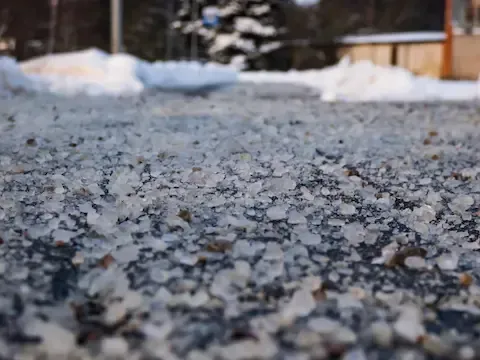
Yes, rock salt used for winter de-icing can damage your Fort Wayne lawn in spring. The sodium chloride creates salt buildup in soil, burns grass roots, and alters pH levels. Damage appears as brown patches, stunted growth, and bare spots where runoff concentrates. Spring rainfall dilutes some effects, but areas near driveways and sidewalks remain vulnerable throughout the growing season.
How does rock salt actually harm grass and soil?
Rock salt damages lawns through multiple mechanisms that persist long after winter ends. Sodium chloride pulls moisture from grass roots through osmosis, essentially dehydrating the plants from within. This process continues even when soil appears moist, as the salt concentration overrides normal water uptake. The sodium also displaces essential nutrients like potassium and calcium in the soil structure.
Fort Wayne's clay-heavy soils compound this problem by retaining salt longer than sandy soils. The tight soil structure prevents natural leaching that would normally flush excess sodium away. Spring freeze-thaw cycles can actually concentrate salt in specific areas as ice melts and refreezes repeatedly.
What are the visible signs of salt damage on Fort Wayne lawns?
Salt damage manifests in distinct patterns that help identify the source. Brown or yellow streaks following driveway edges indicate salt runoff paths. Grass closest to treated surfaces shows the most severe damage, with symptoms decreasing as distance increases. The damage often appears in geometric patterns reflecting where salt was applied or splashed.
Affected grass blades develop brown tips that progress toward the crown. In severe cases, entire plants die back to ground level. The soil itself may develop a crusty white residue when dry, indicating high salt concentration. These areas struggle to support new growth even after reseeding efforts.
When should Fort Wayne homeowners expect to see spring salt damage?
Salt damage becomes visible as temperatures consistently reach above freezing and grass begins its spring growth cycle. In Fort Wayne, this typically occurs between mid-March and early April, depending on the severity of the winter. Early damage appears as delayed green-up in affected areas while surrounding grass begins growing normally.
The most obvious symptoms emerge during the first few warm weeks when healthy grass shows vigorous growth. Salt-damaged areas remain dormant or show weak, discolored growth. Some damage may not become apparent until late spring when stressed grass fails to recover from summer heat.
Can salt-damaged lawn areas recover naturally in Fort Wayne?
Natural recovery depends on salt concentration levels and Fort Wayne's specific environmental conditions. Light salt exposure may resolve through spring rainfall dilution, especially in well-draining areas. However, heavy salt accumulation requires active intervention to restore soil health and grass growth.
Fort Wayne receives approximately 38 inches of annual rainfall, with spring months providing natural leaching action. Areas with good drainage and moderate salt exposure often show improvement by late spring. Compacted or clay-heavy areas retain salt longer and require mechanical intervention like core aeration or soil amendment.
What immediate steps can protect Fort Wayne lawns from further salt damage?
Start by flushing affected areas with water to dilute remaining salt concentrations. Apply water slowly and deeply to encourage downward salt movement rather than surface runoff to adjacent healthy areas. This process works best during mild weather when soil isn't frozen.
Consider switching to alternative de-icing products for remaining winter weather. Calcium chloride or magnesium chloride cause less lawn damage than sodium chloride. Professional De-Icing services in Fort Wayne often use less harmful products and application techniques that minimize lawn contact.
How can homeowners repair salt-damaged areas this spring?
Soil restoration precedes any replanting efforts in salt-damaged areas. Test soil pH and salt levels to determine amendment needs. Gypsum helps displace sodium while improving soil structure in Fort Wayne's clay soils. Apply organic matter like compost to restore beneficial microorganisms and improve drainage.
Overseed damaged areas with salt-tolerant grass varieties after soil treatment. Fine fescue and tall fescue show better salt tolerance than Kentucky bluegrass common in Fort Wayne lawns. Plan renovation work for late spring when soil temperatures support good seed germination.