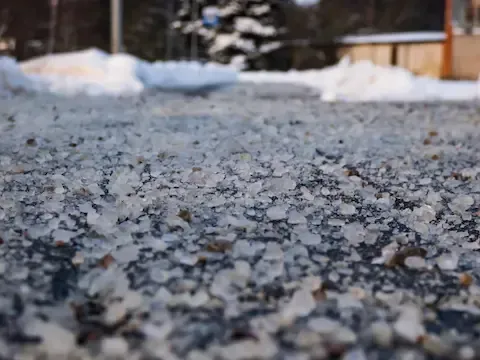
Pre-Treating Fort Wayne Driveways Before a Snowstorm
Pre-treating your Fort Wayne driveway before a snowstorm means applying a liquid or granular de-icing product to the pavement surface before snow or ice arrives. This prevents bond formation between ice and concrete or asphalt, making removal significantly easier. In Fort Wayne, where lake-effect snow and rapid freeze-thaw cycles are common, pretreatment can cut shoveling and plowing time by half or more. The best window is one to three hours before precipitation starts. Products like liquid magnesium chloride or calcium chloride brine work well in Indiana winter temperatures.
What Is Driveway Pretreatment and How Does It Work?
Pretreatment involves applying a de-icing agent to a dry or slightly damp pavement surface before snow or freezing rain begins. The product sits in the texture of the concrete or asphalt and disrupts ice crystal formation at the point of contact. Instead of bonding solidly to the pavement, snow and ice remain loose and easy to move. Standard rock salt scattered after the fact reacts much more slowly and requires moisture already present to activate. Pretreatment skips that lag time entirely because the product is already at the surface when precipitation arrives.
Which Products Work Best for Pre-Treating Driveways in Fort Wayne?
Fort Wayne temperatures during winter storms typically range from the mid-20s down to single digits on colder nights. Product selection matters because some de-icers lose effectiveness below certain temperatures.
- Liquid magnesium chloride brine: Effective to around -13°F, widely used by Indiana road crews, and gentler on vegetation than straight rock salt.
- Calcium chloride brine: Works to approximately -25°F, making it reliable even during the coldest Allen County cold snaps.
- Sodium chloride brine (salt brine): Effective to about 15°F, cost-effective for moderate winter events, and easy to apply with a pump sprayer.
- Granular calcium chloride: A solid option for homeowners without sprayer equipment. Apply evenly before precipitation and it activates on contact.
- Sand or grit: Not a chemical de-icer but adds traction. Best used in combination with a chemical pretreatment rather than as a standalone product.
Avoid standard rock salt as a pretreatment product. It needs liquid water present to dissolve and activate, making it poorly suited for dry pavement before a storm. For professional-grade liquid applications across Fort Wayne driveways, De-Icing services use calibrated equipment to apply the right volume without waste or runoff.
When Should You Apply Pretreatment Before a Storm?
Timing is the most critical factor in effective pretreatment. Apply too early and the product can be washed away by rain or diluted before freezing starts. Apply too late and ice bonding begins before the product takes effect.
- Ideal window: One to three hours before precipitation is forecast to begin.
- Maximum advance: Up to six hours if temperatures remain below freezing and no rain is expected beforehand.
- Avoid applying: More than 12 hours early or immediately before rain that will wash the product away before snow arrives.
Fort Wayne weather can shift quickly with systems moving across Lake Michigan. Checking the National Weather Service forecast for Allen County and watching hourly precipitation timing, not just storm totals, will help you pick the right application window.
What Surfaces Can Be Pre-Treated Safely?
Not every driveway material responds the same way to de-icing chemicals. Knowing your surface before treating it prevents damage.
- Asphalt: Generally tolerates most de-icing products well. Magnesium and calcium chloride are both safe for asphalt driveways.
- Concrete: More vulnerable to chloride-based products, especially older or unsealed slabs common in established Fort Wayne neighborhoods. Calcium magnesium acetate (CMA) is a gentler alternative but costs more.
- Stamped or decorative concrete: Use the lowest effective concentration and avoid products with sodium chloride, which accelerates surface scaling.
- Pavers: The joints between pavers can hold chemicals longer than flat surfaces. Use sparingly and rinse in spring to prevent long-term joint erosion.
If your concrete driveway was poured within the last year, avoid all chloride-based products for at least the first winter. New concrete has not fully cured and is most vulnerable to freeze-thaw damage when chemical exposure is added.
How Much Product Do You Need to Apply?
Over-application is a common mistake that wastes product, costs more money, and increases runoff into Fort Wayne's stormwater system and surrounding landscaping. More product does not mean better results once the surface is adequately coated.
- Liquid products: A thin, even film is sufficient. Coverage rates for brine solutions are typically around 30 to 40 gallons per lane mile on roads, scaled down proportionally for residential driveways.
- Granular products: Scatter lightly so granules are visible but not piled. One to two pounds per 100 square feet is a reasonable residential guideline.
- Even distribution: Focus on high-traffic zones like tire tracks, the apron at the street edge, and areas near walkways.
What Should You Avoid When Pre-Treating?
Several common approaches reduce effectiveness or cause unintended damage.
- Applying to wet pavement just before rain: The product washes away before the freeze arrives.
- Using kitty litter or sand alone: These provide temporary traction but do nothing to prevent ice bonding, meaning you still face the same hard-packed surface after the storm.
- Stacking multiple products without understanding interactions: Mixing granular rock salt and liquid brine can dilute both and create runoff.
- Treating sidewalks leading to landscaped beds with sodium chloride products: Salt runoff into lawn areas and plant beds is a documented issue in Fort Wayne yards. Read more about how rock salt affects Fort Wayne lawns and concrete before selecting your product.
Is Professional Pretreatment Worth It for Residential Driveways?
For homeowners managing long driveways, steep grades, or properties where ice poses a genuine safety risk, professional pretreatment service offers consistent coverage with calibrated equipment. A contractor familiar with Allen County storm patterns can schedule applications ahead of incoming systems without requiring you to monitor forecasts closely. The cost is offset by reduced time spent shoveling and lower risk of property or vehicle damage from untreated ice. For households with limited mobility or medical considerations, professional pretreatment before Fort Wayne's winter storms is a practical investment rather than a luxury.