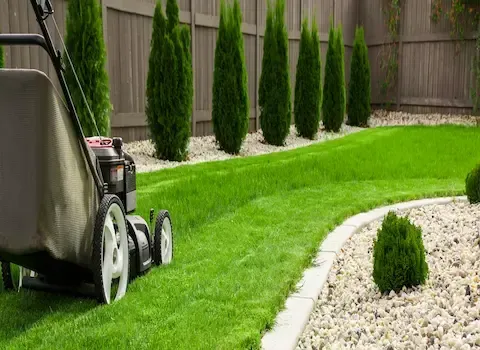
Mowing Wet Grass in Fort Wayne: Risks, Tips, and Timing
Fort Wayne homeowners face a common dilemma during Indiana's wet summer months: when rain seems to fall every other day, waiting for completely dry grass often means facing an overgrown jungle. While mowing wet grass isn't ideal, understanding the risks and proper techniques can help you maintain your lawn without causing permanent damage to your yard or equipment.
Understanding the Risks of Mowing Wet Grass
Wet grass creates several challenges that can damage both your lawn and mower. The most immediate concern is safety – wet surfaces increase slip risks, and damp conditions can cause electrical hazards with corded equipment. From a lawn health perspective, wet grass blades tend to clump together, creating uneven cuts that stress the grass and block sunlight from reaching lower growth.
Your mower also suffers when cutting wet grass. Moisture causes grass clippings to stick to the deck, creating buildup that reduces cutting efficiency and promotes rust. The extra weight and resistance strain the engine, while wet conditions can damage air filters and spark plugs. These issues compound over time, leading to costly repairs and reduced equipment lifespan.
Disease transmission represents another significant concern. Fungal spores spread more easily in wet conditions, and mowing can distribute these pathogens throughout your lawn. Fort Wayne's humid summers already create favorable conditions for lawn diseases, making this risk particularly relevant for local homeowners.
When Wet Conditions Make Mowing Necessary
Sometimes mowing wet grass becomes unavoidable, especially during Fort Wayne's extended rainy periods in late spring and early summer. If grass height exceeds four inches, delaying further may cause more harm than proceeding carefully. Extremely tall grass can smother itself, creating brown patches that take weeks to recover.
Emergency situations also warrant careful wet mowing. Upcoming events, property showings, or homeowner association requirements might necessitate immediate lawn care. In these cases, focus on damage minimization rather than perfect results. Lawn Mowing professionals often face these same challenges and have developed techniques to manage them effectively.
Weather patterns in northeastern Indiana can create week-long stretches where grass never fully dries. During these periods, waiting indefinitely isn't practical. Instead, look for windows when surface moisture has dried even if soil remains damp underneath.
Proper Techniques for Wet Grass Mowing
If you must mow wet grass, adjust your approach significantly. Raise the cutting height by at least half an inch above normal settings. This reduces stress on the grass and decreases the likelihood of clumping. Sharp blades become absolutely critical – dull blades tear wet grass rather than cutting cleanly, creating entry points for disease.
Slow down your mowing pace considerably. Rushing through wet grass creates ragged cuts and increases clumping. Take overlapping passes if necessary to ensure complete coverage. Clear the mower deck frequently to prevent excessive buildup that can clog the discharge chute.
Consider mowing in different patterns than usual. Wet grass tends to lay flat, so changing direction helps ensure all blades get cut. Some Fort Wayne lawn care professionals recommend making two passes at different angles when conditions are particularly challenging.
Equipment Preparation and Maintenance
Before mowing wet grass, prepare your equipment properly. Clean the mower deck thoroughly to prevent additional buildup. Check that blades are sharp – this cannot be overstated for wet conditions. Ensure the air filter is clean and consider applying a thin coat of cooking spray to the deck to reduce grass adhesion.
After mowing, immediate cleanup becomes essential. Remove all grass clippings from the deck, wheels, and engine housing. Dry all surfaces thoroughly and check for any moisture in the air filter or around electrical components. This post-mowing maintenance prevents rust and mechanical problems.
Common Mistakes That Damage Lawns and Equipment
Many homeowners make critical errors when mowing wet grass that create lasting problems. Cutting too short represents the most common mistake – wet grass needs extra height to recover from the stress of being cut in poor conditions. Another frequent error involves ignoring clumping clippings, which can smother grass sections and create unsightly brown patches.
Using dull blades on wet grass tears the plant tissue rather than cutting cleanly. These damaged blade tips turn brown and become more susceptible to disease. The ragged cuts also lose moisture faster, stressing the grass during recovery.
Attempting to maintain normal mowing speed in wet conditions leads to poor results and potential safety hazards. Wet grass requires patience and adjusted expectations. Similarly, failing to clean equipment after wet mowing sessions allows corrosion to begin immediately.
Fort Wayne Weather Patterns and Timing Strategies
Understanding Fort Wayne's typical weather patterns helps homeowners plan better mowing schedules. Summer thunderstorms often occur in late afternoon, meaning early morning mowing might be possible if overnight rain has stopped. However, heavy dew is common in Fort Wayne's humid climate, so even rain-free mornings may present wet conditions.
The key is distinguishing between surface moisture and saturated soil. Grass with morning dew on otherwise dry soil presents fewer risks than grass on waterlogged ground. Check soil conditions by walking across the lawn – if your feet leave deep impressions or standing water appears, postpone mowing regardless of grass height.
Local weather forecasts become crucial tools for planning. If rain is predicted for several consecutive days, consider mowing before the system arrives, even if grass isn't quite at optimal height. This preventive approach often produces better results than waiting for perfect conditions that may not come. Many homeowners find that understanding how often to mow Fort Wayne lawns in peak summer helps them anticipate these challenging periods.
Professional vs. DIY Considerations
Professional lawn care services in Fort Wayne have commercial-grade equipment better suited for challenging conditions. Their mowers typically feature larger engines, better traction, and superior grass collection systems that handle wet conditions more effectively than residential equipment.
Professionals also carry insurance covering potential damage from mowing in less-than-ideal conditions. For homeowners, the risk of damaging expensive mowing equipment or creating lawn problems may outweigh the benefits of immediate mowing. Consider the value of your equipment and lawn against the urgency of the situation.
However, many homeowners successfully manage wet mowing with proper techniques and realistic expectations. The key lies in understanding your equipment limitations and being willing to accept less-than-perfect results when conditions demand immediate action.
Long-term Lawn Health Considerations
Regular wet mowing can impact long-term lawn health in Fort Wayne's climate. Repeated stress from poor mowing conditions weakens grass, making it more susceptible to diseases common in northeastern Indiana, such as brown patch and dollar spot. These fungal problems thrive in the warm, humid conditions that often accompany wet mowing situations.
Soil compaction becomes another concern when mowing wet lawns repeatedly. Fort Wayne's clay-heavy soils are particularly prone to compaction when wet, and mower wheels can create lasting damage that affects root development and water infiltration. Consider aerating problem areas in fall to address compaction issues.
The best long-term strategy involves accepting that some mowing sessions will be less than perfect while working to minimize frequency of wet mowing through better planning and weather awareness.