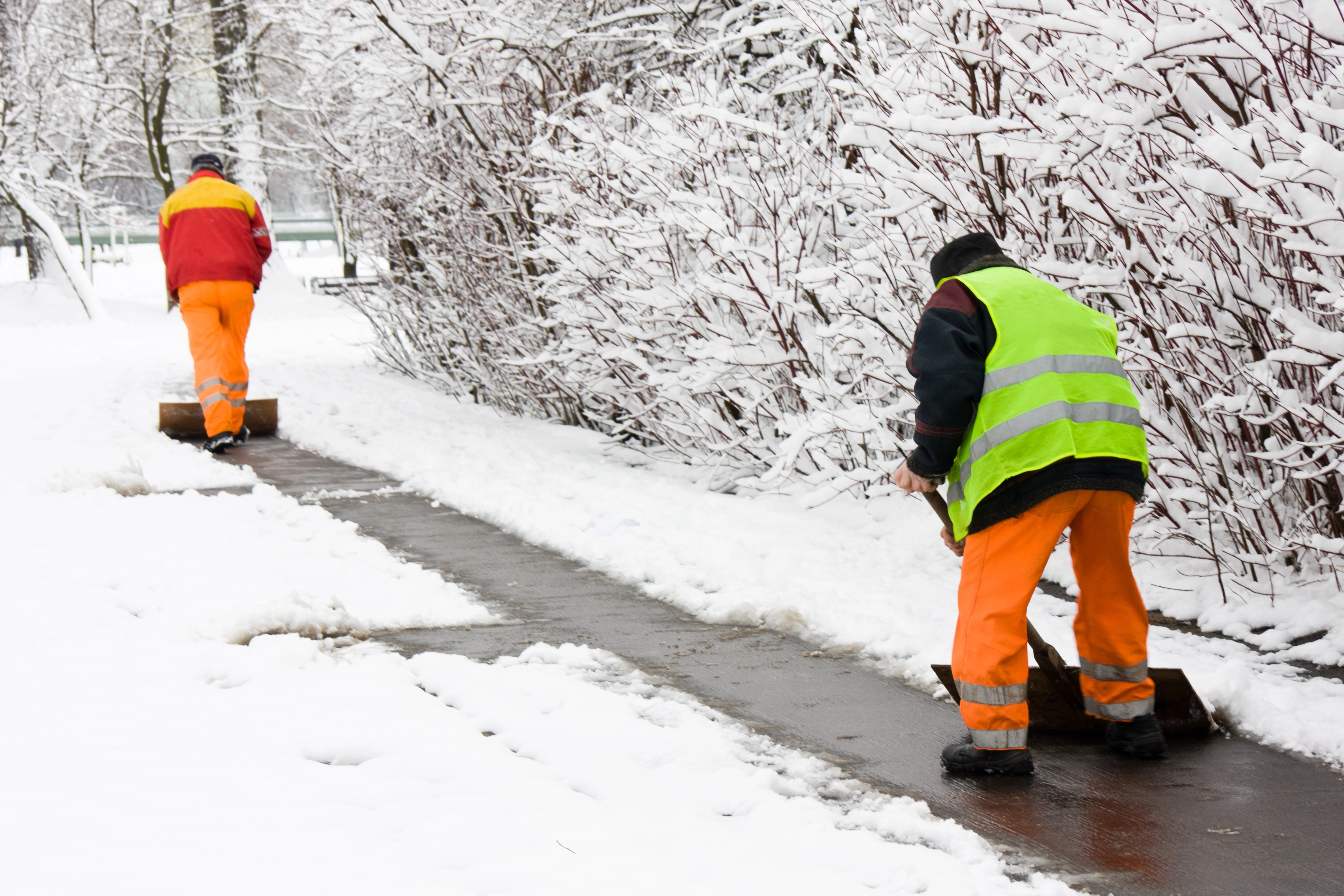
Mid-Winter Snow Removal Prep For Fort Wayne IN Homes
January in Fort Wayne has a way of reminding homeowners that winter is far from over. By mid-season, the initial enthusiasm for staying on top of snow and ice has often given way to fatigue, depleted supply stockpiles, and equipment that's been pushed hard since November. This is exactly the moment when a deliberate mid-winter reset can make the difference between managing the rest of the season with confidence and scrambling after every storm. The weeks between January and February's peak snowfall are the right time to reassess what you have, what needs attention, and how you'll handle what's coming.
Why Mid-Winter Is a Critical Checkpoint
Fort Wayne sits in a region where winter snowfall doesn't follow a neat downward curve after the holidays. February historically delivers some of the heaviest and most disruptive storms of the season. The jet stream patterns that affect northern Indiana mean that significant lake-effect events and frontal systems can push through the area well into March. If your equipment is worn, your salt supply is low, and your plan hasn't been revisited since early December, you're carrying real risk into the busiest stretch of the season.
A mid-winter audit doesn't need to be complicated. It's about spending an hour or two on your property and in your garage taking honest stock of where things stand before the next wave of weather arrives.
Equipment Inspection and Maintenance
Snow blowers and shovels take a beating through early winter. By January, common issues include worn auger paddles that reduce throwing distance, loose belts that slip under heavy load, spark plug fouling from inconsistent use, and cracked shovel blades that make clearing less efficient and harder on your body.
Run your snow blower through a full cycle in your driveway or garage. Listen for unusual sounds, check the auger for resistance, and confirm the chute rotates freely. If the machine is hesitating at startup or losing power mid-use, a small carburetor cleaning or fuel system inspection now costs far less than an emergency repair call during a storm.
For shovels, check the blade attachment point and the handle for cracks. Ergonomic shovels with bent handles reduce back strain significantly over long clearing sessions. If yours is showing wear, replacing it mid-season is worth the modest investment when you consider how much work still lies ahead.
Check your ice scraper blades as well. Many homeowners find the blade rubber has dried and cracked by mid-winter, leaving streaks across windshields and reducing effectiveness on glazed pavement.
Salt and Ice Melt Stock Review
This is where many Fort Wayne households find themselves most underprepared by January. Rock salt, calcium chloride, and blended ice melt products are in high demand across Allen County through the entire winter. Retail shelves thin out quickly after major storm events, and restocking isn't always immediate.
Do a physical count of what you have on hand. A standard 50-pound bag of rock salt covers roughly 800 to 1,000 square feet of light coverage. For a typical Fort Wayne home with a driveway, front walk, and side entry, a single moderate storm may consume 10 to 15 pounds or more depending on conditions. If you're looking at two or three bags remaining, that's worth addressing before mid-February arrives.
Calcium chloride and magnesium chloride products work at lower temperatures than plain rock salt, which matters during the deep cold snaps that northern Indiana sees in January and February. If you've been relying on basic rock salt and finding it ineffective during overnight refreezes, switching to a blended product for the remainder of the season may solve persistent ice problems on your walks and steps.
Store your ice melt in a sealed container or sealed bags to prevent moisture absorption. Clumped product is less effective and harder to spread evenly.
Route Planning and Property Prioritization
If you clear your own property, think through your sequence deliberately. Most homeowners default to clearing the driveway first, but a more efficient approach starts with high-priority paths — the front entry, steps, and any path to a side door — before moving to the driveway. This ensures the areas with the highest slip risk are addressed early, especially important when you're clearing before work on a weekday morning.
Walk your property now, before the next storm, and identify any problem areas. Low spots where meltwater pools and refreezes, shaded sections of walkway that don't get enough sun exposure to clear naturally, and concrete or pavers with existing heaving from frost are all spots that need extra attention. Knowing them in advance means you're not discovering them at 6 a.m. in the dark during the next clearing session.
If you're considering Snow Removal services for the remainder of the season, mid-winter is actually a practical time to make that call. Providers who offer seasonal agreements may have flexibility in January, and locking in service before a major February storm event means you're ahead of the rush rather than one of dozens of homeowners calling on the same morning.
Protecting Pavement and Landscaping
By mid-winter, the repeated freeze-thaw cycles in Allen County can accelerate damage to concrete driveways, asphalt, and brick pavers. Cracks that were hairline in November may have widened significantly by January. Salt and ice melt products can contribute to surface degradation, particularly on concrete less than two years old or brick with deteriorating mortar joints.
Take a walk around your driveway edges and walkway surfaces now. If cracks have grown, note them for repair in spring but also be mindful of how aggressively you apply ice melt to those sections for the rest of the season. Over-application doesn't speed melting — it just increases surface damage and pushes excess chlorides into the soil near your landscaping beds.
Understanding the typical clearing time after storms can help you plan realistic morning routines and avoid the temptation to use more product than necessary in an attempt to speed up the process.
Managing Fatigue and Staying Realistic
Mid-winter is also the point where physical fatigue from repeated clearing sessions starts to compound. Fort Wayne residents who handle their own snow removal should be honest about capacity. Snow shoveling is cardiovascular exercise, and repeated heavy lifting in cold temperatures carries real health risk, particularly for adults over 50 or those with cardiovascular concerns.
If the early-winter storms have already been taxing, consider what the rest of the season realistically looks like and whether your current approach is sustainable. Adjusting expectations, recruiting help, or shifting to a professional service for the heaviest events isn't a failure — it's practical winter management for a city that sees real accumulation through March.