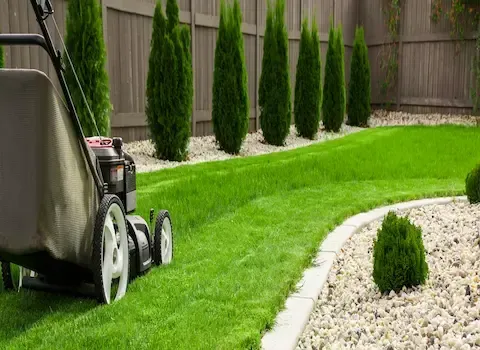
Fort Wayne Lawn Mowing Schedule For Cool-Season Yards
Cool-season grasses dominate Fort Wayne lawns, with Kentucky bluegrass, tall fescue, and perennial ryegrass forming the backbone of residential landscapes throughout Allen County. These grass types thrive in Fort Wayne's continental climate, but they require precise mowing schedules that align with their growth patterns and seasonal dormancy cycles. Understanding when, how often, and at what height to mow your cool-season lawn directly impacts its health, drought tolerance, and overall appearance throughout the growing season.
Cool-Season Grass Growth Patterns in Fort Wayne
Cool-season grasses in Fort Wayne experience two primary growth spurts annually - spring and fall - with slower growth during summer heat stress periods. Kentucky bluegrass typically begins active growth when soil temperatures reach 45-50°F in early April, while tall fescue and ryegrass blends start slightly earlier due to their superior cold tolerance. Peak growth occurs during May and again from mid-September through October when daytime temperatures range between 60-75°F.
During summer months, particularly July and August, growth rates slow significantly as these grasses enter semi-dormancy to conserve energy during heat stress. This natural cycle means your mowing frequency should decrease from weekly cuts in spring and fall to bi-weekly or even monthly maintenance during peak summer heat. Fort Wayne's average summer temperatures of 80-85°F with high humidity create challenging conditions that require adjusted cutting schedules.
Understanding these growth patterns helps you avoid common mistakes like over-mowing during stress periods or allowing excessive growth during peak seasons. The key lies in monitoring grass growth rates rather than following rigid calendar schedules, as weather variations can shift these patterns by several weeks in any given year.
Spring Mowing Schedule and Height Guidelines
Begin your Fort Wayne lawn mowing season with the first cut when grass reaches 4-5 inches in height, typically occurring in mid to late April depending on spring weather patterns. Set your mower height to remove no more than one-third of the grass blade length, maintaining optimal heights of 2.5-3 inches for Kentucky bluegrass and 3-4 inches for tall fescue blends. This conservative approach prevents shock to grass plants emerging from winter dormancy.
Weekly mowing becomes necessary once growth accelerates in May, as cool-season grasses can grow 1-2 inches per week during ideal spring conditions. Fort Wayne's spring rainfall typically provides adequate moisture for vigorous growth, making consistent cutting schedules essential for maintaining lawn health and appearance. Monitor growth rates closely, as late spring growth spurts may require twice-weekly cutting to maintain proper height ratios.
Adjust cutting height gradually throughout spring, raising the deck to summer heights by early June. This preparation helps grass plants develop deeper root systems and improve heat tolerance before summer stress begins. Never scalp cool-season grasses in spring, as this weakens root development and reduces the lawn's ability to withstand upcoming summer challenges.
Summer Maintenance and Heat Stress Management
Fort Wayne's summer heat requires significant adjustments to your mowing routine, with cutting frequency decreasing to every 10-14 days during July and August peak heat periods. Raise mower heights to 3-4 inches for all cool-season varieties, as taller grass provides better soil shading and moisture retention during drought stress. This increased height also improves the lawn's ability to photosynthesize during reduced daylight exposure.
Morning mowing becomes critical during summer months, completing cuts before 10 AM to minimize additional stress on heat-stressed grass plants. Avoid mowing during afternoon heat or when grass shows signs of wilting, as cutting stressed plants can cause permanent damage and increase susceptibility to disease and insect problems. Sharp mower blades become even more important during summer, as clean cuts heal faster and reduce moisture loss.
Consider reducing mowing frequency further during extreme heat waves or drought conditions common in Fort Wayne summers. When grass growth slows to less than half-inch weekly increments, extend cutting intervals to 2-3 weeks while maintaining height guidelines. This approach conserves plant energy for survival rather than recovery from cutting stress.
Fall Rejuvenation and Final Cuts
September marks the beginning of renewed growth for cool-season grasses in Fort Wayne, requiring a return to weekly mowing schedules as temperatures moderate and fall moisture returns. This period represents the most important time for lawn mowing precision, as proper cutting practices directly impact winter hardiness and spring recovery potential. Maintain summer cutting heights through September to support continued growth and root development.
October brings peak fall growth rates that often exceed spring growth spurts, making consistent weekly cutting essential for maintaining lawn health and appearance. Fort Wayne's typical October weather patterns of moderate temperatures and adequate rainfall create ideal conditions for grass thickening and preparation for winter dormancy. Monitor growth rates carefully, as some weeks may require mid-week touch-ups to maintain proper height ratios.
The final mowing of the season should occur in late November or early December, cutting grass to approximately 2 inches in height to prevent matting under snow cover and reduce disease pressure during winter months. This final cut timing depends on growth cessation, which varies based on Fort Wayne's often unpredictable late fall weather patterns. Never perform the final cut too early, as continued growth after the last mowing can create excessive height going into winter.
Equipment Considerations and Blade Maintenance
Mower blade sharpness significantly impacts cool-season grass health throughout the growing season, with dull blades causing frayed cuts that increase water loss and disease susceptibility. Professional lawn care services in Fort Wayne typically sharpen blades every 20-25 hours of use or at least twice per season to maintain optimal cutting performance. Home maintenance should include blade inspection after every 4-5 uses during peak growth periods.
Cutting height accuracy requires calibrated mower decks, as manufacturer settings often vary from actual cutting heights by up to half an inch. Use a ruler to measure actual cutting height on level concrete surfaces, adjusting deck settings to achieve desired grass heights rather than relying on position markings alone. This precision becomes critical when maintaining the one-third rule across varying growth rates throughout the season.
Mulching mowers provide benefits for cool-season grasses by returning nitrogen and organic matter to the soil, but require more frequent cutting during peak growth periods to prevent clumping. Side discharge mowers offer faster cutting speeds during heavy growth periods but require proper disposal of clippings to prevent thatch buildup and disease promotion in Fort Wayne's humid climate conditions.
Weather-Based Schedule Adjustments
Fort Wayne's variable weather patterns require flexible mowing schedules that respond to actual growing conditions rather than rigid calendar dates. Monitor grass growth rates weekly during the growing season, adjusting cutting frequency based on observed growth rather than predetermined schedules. Cool, wet springs may require increased frequency, while hot, dry periods demand reduced cutting stress on grass plants.
Rainfall timing affects mowing schedules significantly, as wet grass should never be cut due to uneven cutting, increased disease risk, and potential mower damage. Plan cutting schedules around Fort Wayne's typical afternoon thunderstorm patterns during summer months, prioritizing morning cuts when grass is dry and temperatures are moderate. Allow 24-48 hours after significant rainfall before resuming normal cutting schedules.
Extreme weather events common in northeastern Indiana, including late spring freezes, summer drought, and early fall frost, may require temporary suspension of regular mowing schedules. Monitor grass recovery after stress events, resuming cutting only when active growth returns and plants show signs of recovery from weather-related damage.
Professional Service Integration and Timing
Coordinating your mowing schedule with professional lawn care services requires careful timing to maximize treatment effectiveness and minimize grass stress. Schedule fertilizer applications for 24-48 hours after mowing to ensure maximum soil contact and nutrient absorption. Avoid mowing for 2-3 days after herbicide treatments to allow proper absorption and translocation throughout target weeds.
Core aeration services typically performed in Fort Wayne during September or October require mowing adjustments both before and after treatment. Cut grass slightly shorter than normal before aeration to improve soil penetration, then avoid cutting for 7-10 days after treatment to allow proper seed establishment if overseeding accompanies the aeration process. Consider spring cleanup planning roadmap coordination when scheduling early season services.
Disease and insect treatments may require modified mowing schedules to prevent spreading problems or reducing treatment effectiveness. Fungicide applications work best on recently cut grass, while insecticide treatments for grubs or surface insects should be followed by watering rather than immediate mowing to improve soil penetration and treatment efficacy.
Seasonal Transition Management
Successful cool-season lawn management requires smooth transitions between seasonal mowing practices, with gradual adjustments rather than abrupt changes in cutting height or frequency. Begin raising cutting heights in late May to prepare for summer stress, making incremental adjustments over 2-3 weeks rather than dramatic single changes that can shock grass plants and reduce their heat tolerance.
Fall transitions require similar gradual approaches, slowly lowering cutting heights from summer maximums to final cut specifications over the course of October and November. This gradual reduction allows grass plants to adjust energy allocation from blade growth to root development, improving winter hardiness and spring recovery potential for Fort Wayne's often harsh winter conditions.
Monitor grass color and growth rate changes as indicators of successful transition management, adjusting schedules based on observed plant responses rather than calendar dates alone. Successful seasonal transitions result in maintained grass color and vigor throughout the growing season with minimal stress-related problems or recovery periods between seasons.