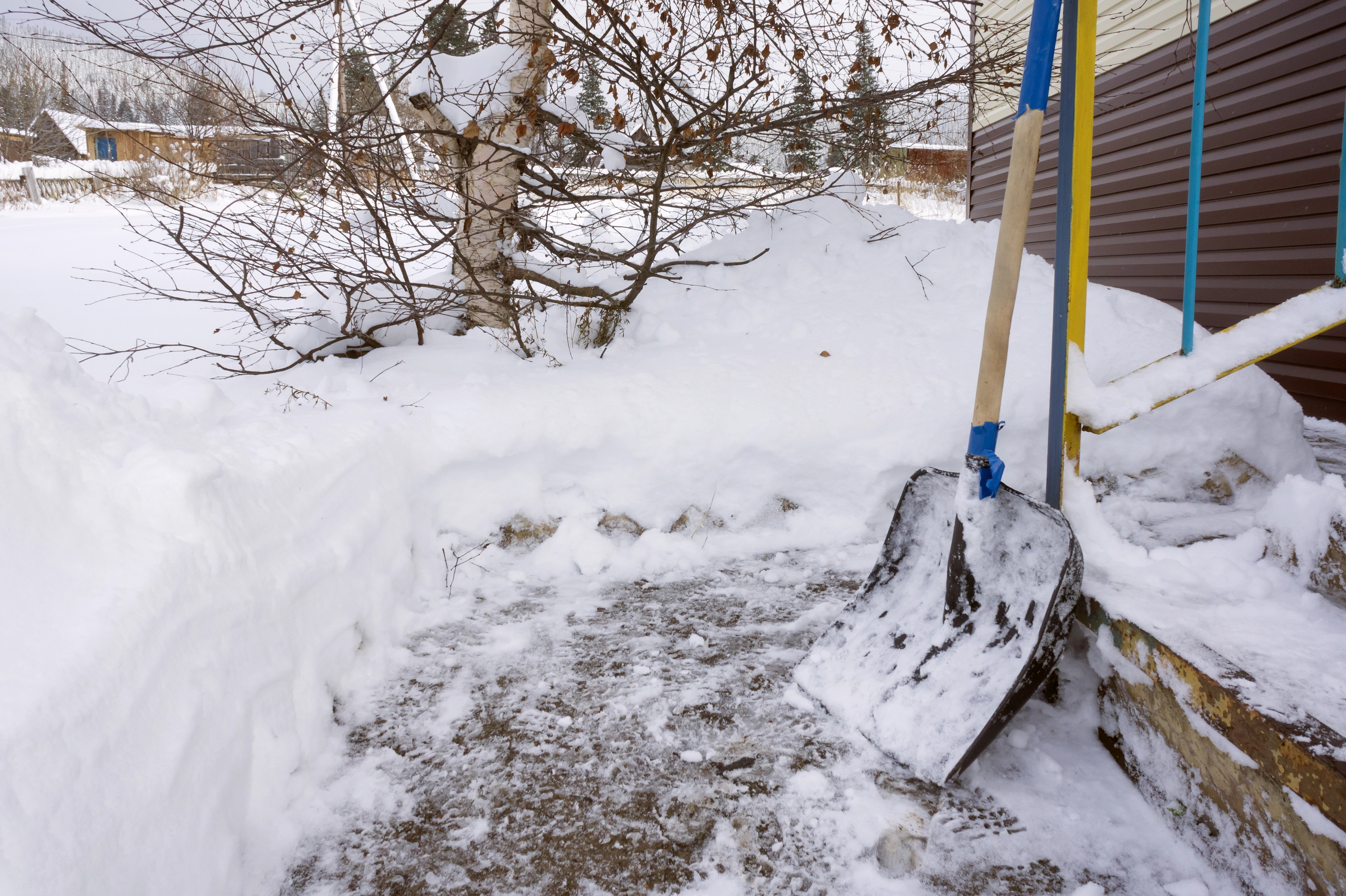
Entrance Snow Clearing in Fort Wayne, IN: Best Practices
When winter storms hit Fort Wayne, maintaining clear and safe entrances becomes a critical priority for both residential and commercial properties. Effective entrance snow clearing requires strategic planning, proper equipment, and understanding of local weather patterns that characterize northeastern Indiana winters. Property owners who master these fundamentals create safer environments while reducing liability risks and ensuring continued accessibility throughout the harsh winter months.
Understanding Fort Wayne's Winter Challenges
Fort Wayne experiences an average of 33 inches of snowfall annually, with temperatures frequently dropping below freezing from December through February. The city's location in northeastern Indiana subjects it to lake-effect snow from the Great Lakes region, creating unpredictable accumulation patterns that can quickly overwhelm unprepared entrance areas.
Entrance zones face unique challenges compared to other areas of a property. These high-traffic locations experience constant foot and vehicle movement, which compacts snow into dense, slippery surfaces. Additionally, entrances often feature architectural elements like overhangs, steps, and decorative features that create snow collection points and complicate removal efforts.
The alternating freeze-thaw cycles common in Fort Wayne create particularly hazardous conditions. Snow that melts during warmer afternoon temperatures refreezes overnight, forming dangerous ice patches that pose serious slip and fall risks. Understanding these local weather patterns helps property owners anticipate problems and implement proactive clearing strategies.
Essential Equipment for Effective Entrance Clearing
Successful entrance snow clearing begins with having the right tools readily available. Snow shovels remain fundamental equipment, but selecting appropriate types makes significant difference in efficiency and safety. Ergonomic shovels with curved handles reduce back strain during extended clearing sessions, while pushers work effectively for moving large volumes of lighter snow.
Ice melt products serve as crucial companions to mechanical removal. Calcium chloride works effectively at lower temperatures common in Fort Wayne, while rock salt provides economical coverage for moderate conditions. Property owners should avoid using straight sodium chloride on decorative concrete or natural stone surfaces, as repeated exposure can cause damage over time.
For larger commercial entrances, mechanical equipment becomes necessary. Walk-behind snow blowers handle moderate accumulations efficiently, while commercial-grade units tackle heavy snowfalls that would overwhelm manual efforts. Battery-powered equipment offers convenience and reduces emission concerns for indoor storage areas.
Safety equipment deserves equal attention. Non-slip footwear prevents accidents during clearing operations, while reflective clothing ensures visibility during early morning or evening work sessions. Having backup supplies stored in easily accessible locations prevents interruption of clearing activities during extended storm periods.
Timing and Frequency Strategies
Effective entrance clearing relies heavily on proper timing rather than simply responding after accumulation occurs. Beginning removal efforts early in snowfall events prevents compaction and ice formation that make later clearing significantly more difficult. Light, frequent clearing requires less physical effort and produces better results than attempting to remove deep accumulations.
Commercial properties benefit from multiple clearing sessions during extended storm periods. Clearing entrances every 2-3 hours during active snowfall maintains safe conditions for customers and employees while preventing overwhelming accumulation. This proactive approach reduces overall labor requirements compared to single, intensive clearing sessions.
Understanding snow characteristics helps optimize timing decisions. Wet, heavy snow requires immediate attention to prevent compaction, while light, dry snow can be managed with less frequent intervention. Temperature trends also influence strategy, as snow falling during warming periods may partially melt and refreeze if not promptly addressed.
Pre-treatment applications before storm arrival provide significant advantages. Applying liquid de-icer or spreading granular ice melt on entrance surfaces before snowfall prevents initial accumulation from bonding to pavement. This technique dramatically reduces removal effort and improves results throughout the storm duration.
Proper Technique and Safety Protocols
Correct snow removal technique prevents injury and improves efficiency during clearing operations. When shoveling, maintaining straight back posture and lifting with leg muscles reduces strain on the spine. Pushing snow rather than lifting whenever possible conserves energy and minimizes repetitive stress injuries.
Working systematically across entrance areas ensures complete coverage while preventing redundant effort. Starting from building entrances and working outward creates clear pathways immediately while establishing logical snow placement areas. Avoiding lifting snow multiple times by planning removal paths saves significant energy during larger clearing jobs.
Ice removal requires particular attention to technique and safety. Chipping ice with metal tools can damage underlying surfaces, while chemical treatment often provides safer and more effective results. Applying ice melt products and allowing time for penetration before mechanical removal prevents surface damage while improving removal effectiveness.
Creating proper drainage during clearing prevents refreezing problems. Clearing snow away from entrance areas while ensuring meltwater has appropriate drainage paths prevents ice dam formation. Pay special attention to areas where architectural features might trap water and create ongoing hazards.
Common Mistakes That Compromise Results
Many property owners inadvertently create bigger problems through well-intentioned but misguided clearing efforts. Piling snow directly adjacent to entrance areas causes problems when temperatures rise and melting occurs. Proper snow placement involves moving accumulation well away from walkways and entrance zones to prevent runoff issues.
Over-application of ice melt products wastes money while potentially damaging surfaces and surrounding vegetation. Following manufacturer recommendations for application rates ensures effective results without causing collateral damage. Using excessive amounts does not improve performance while creating environmental and financial waste.
Neglecting edge areas and corners allows ice formation in locations that later become major hazards. Complete clearing includes attention to often-overlooked areas like door threshold zones, handrail bases, and lighting fixture surroundings. These detail areas frequently cause accidents when left unaddressed.
Waiting too long between clearing sessions allows compaction and ice formation that multiply removal difficulty. Regular maintenance throughout storm duration prevents these problems while maintaining safer conditions continuously. Proper sidewalk snow clearing responsibilities in Fort Wayne extend beyond basic removal to include comprehensive safety management.
Fort Wayne-Specific Considerations
Fort Wayne's municipal snow removal ordinances require property owners to clear sidewalks within 24 hours following snowfall cessation. Understanding these requirements helps avoid potential citations while ensuring compliance with local regulations. Commercial properties often face stricter timelines based on business licensing requirements.
The city's historic architecture in downtown areas presents unique challenges for entrance snow clearing. Older buildings may have irregular entrance configurations, decorative stonework, or aging concrete that requires special care during clearing operations. Using appropriate techniques and products prevents damage to these valuable architectural features.
Fort Wayne's relatively flat topography means that wind patterns significantly influence snow accumulation around entrances. Buildings oriented toward prevailing northwest winds often experience increased drifting, requiring modified clearing strategies. Understanding local microclimate factors helps predict problem areas and plan accordingly.
Salt storage and environmental considerations reflect Fort Wayne's location near the Maumee River watershed. Responsible ice melt usage protects local water quality while maintaining effective entrance clearing. Property owners should consider environmental impact when selecting products and application methods.
Professional Service Integration
Many Fort Wayne property owners benefit from combining DIY efforts with professional snow removal services. Professional services provide reliability during severe weather events while handling equipment maintenance and storage challenges. Understanding when to engage professional help ensures cost-effective results while maintaining safety standards.
Commercial properties often require professional Entrance Snow Clearing services due to liability concerns and operational continuity needs. Professional providers offer insurance coverage, trained personnel, and specialized equipment that individual property owners cannot economically maintain. Establishing service relationships before winter season ensures availability during peak demand periods.
Evaluating professional service options involves considering response times, equipment capabilities, and service reliability records. Local providers understand Fort Wayne's specific weather patterns and regulatory requirements while offering faster response times than distant companies. Reviewing references and insurance coverage protects property owners from potential liability issues.
Hybrid approaches combining professional service with property owner involvement offer cost savings while ensuring adequate coverage. Professional services might handle major storm events and equipment-intensive tasks while property owners manage routine maintenance and light accumulation clearing.
Long-term Success Strategies
Sustainable entrance snow clearing requires planning that extends beyond individual storm events. Developing written protocols ensures consistent performance regardless of who performs clearing duties. Documentation should include equipment locations, supply inventory, contact information, and step-by-step procedures for various weather scenarios.
Equipment maintenance and replacement planning prevents mid-season failures that compromise clearing capabilities. Regular maintenance of mechanical equipment, replacement of worn hand tools, and adequate supply inventory management ensure readiness throughout winter months. Establishing relationships with local suppliers provides access to emergency replacement needs.
Budget planning for entrance snow clearing should account for variable seasonal requirements. Severe winters require additional supplies, equipment repairs, and potentially professional service assistance. Setting aside reserves for exceptional weather years prevents financial stress during already challenging winter periods.
Continuous improvement through seasonal evaluation helps refine techniques and improve results over time. Documenting what works well and identifying problem areas enables better preparation for subsequent winter seasons. This systematic approach leads to increasingly effective and efficient entrance clearing operations.