Fort Wayne IN Edging And Trimming Property Resource
Understanding Edging and Trimming Fundamentals
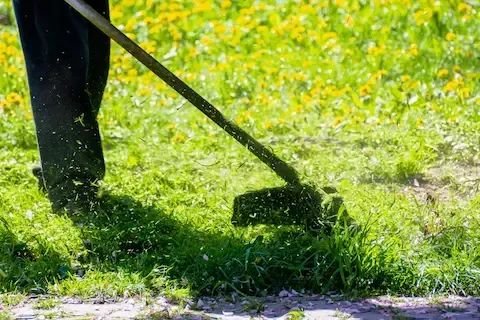
Proper edging and trimming creates the finishing touch that separates professional-quality lawn care from basic maintenance. In Fort Wayne's climate, where cool-season grasses dominate residential properties, establishing clean borders between lawn areas and hardscaping requires understanding both technique and timing. The distinction between edging and trimming lies in their specific purposes: edging creates defined boundaries along sidewalks, driveways, and garden beds, while trimming addresses areas your mower cannot reach effectively.
The key to successful edging lies in creating a consistent depth and angle that complements your property's overall aesthetic. Most Fort Wayne properties benefit from edges cut at a 90-degree angle to a depth of 2-3 inches, though variations exist based on soil type and personal preference. Allen County's clay-heavy soils hold their shape well once properly edged, making maintenance easier throughout the growing season.
Trimming serves as the precision component of lawn maintenance, addressing areas around trees, fence lines, and architectural features. The goal extends beyond simply cutting grass to the correct height - effective trimming creates visual flow between different landscape elements while maintaining the health of grass plants in challenging growing conditions.
Tool Selection and Performance Comparison
String trimmers remain the most versatile tool for both edging and trimming applications, though dedicated edging tools offer advantages in specific situations. Gas-powered trimmers provide the power necessary for thick grass common in Fort Wayne's fertile soils, particularly during peak growing periods in late spring and early summer. Electric models, both corded and battery-powered, offer quieter operation and reduced emissions, making them suitable for neighborhood-conscious property maintenance.
Blade edgers excel at creating precise, clean lines along hardscaping but require more physical effort and storage space. Wheeled edgers provide better control and consistent depth, particularly valuable when establishing new edges or renovating overgrown boundaries. The choice between these options depends on property size, edge complexity, and maintenance frequency.
Manual edging tools, including half-moon edgers and border spades, offer precision control for detail work and garden bed maintenance. These tools prove especially valuable in Fort Wayne's established neighborhoods where mature landscaping requires careful attention to avoid damage to existing plantings and irrigation systems.
String selection impacts both cutting performance and edge quality. Round strings work well for general trimming, while twisted or serrated strings cut through thicker grass more efficiently. Consider heavier gauge strings for initial edge establishment and lighter options for regular maintenance trimming.
Seasonal Timing and Maintenance Frequency
Fort Wayne's growing season typically spans from April through October, with peak growth occurring during May and June when cool-season grasses respond to moderate temperatures and adequate moisture. During these active growth periods, edging frequency should increase to every 2-3 weeks to maintain clean lines and prevent grass encroachment onto hardscaping.
Spring edging focuses on re-establishing boundaries that may have been obscured by winter debris or frost damage. This initial session often requires more aggressive cutting to remove dead material and create fresh, clean lines. Pay particular attention to areas where snow removal equipment may have scattered salt or debris onto lawn edges.
Summer maintenance shifts to regular touch-ups and addressing areas where grass growth accelerates due to irrigation or natural moisture retention. Allen County's variable summer rainfall patterns mean some properties may require more frequent attention than others, depending on their specific microclimates and soil conditions.
Fall edging serves both immediate aesthetic purposes and preparation for winter dormancy. Clean edges prevent matted grass from creating favorable conditions for snow mold and other winter diseases common in Indiana's climate. The final edging session should occur after the last significant growth period but before the first hard frost.
Depth and Angle Techniques
Proper edging depth balances visual impact with grass health and soil stability. Shallow edges of 1-2 inches provide definition without exposing excessive soil, reducing opportunities for weed establishment. Deeper edges of 3-4 inches create more dramatic visual separation but require more maintenance and may struggle in areas with heavy foot traffic or surface water flow.
The angle of your edge affects both appearance and functionality. Vertical cuts create sharp, formal lines suitable for contemporary landscape designs, while angled cuts at 45 degrees provide a softer transition that complements traditional residential settings. Consistent angles throughout your property create visual cohesion and professional appearance.
Consider soil conditions when determining appropriate depths. Fort Wayne's clay soils hold their shape well when properly cut, allowing for deeper edges that maintain their form throughout the season. Sandy areas or locations with significant organic matter may require shallower cuts to prevent edge collapse and excessive soil spillage onto adjacent surfaces.
When working around Edging And Trimming sensitive areas such as newly seeded sections or areas with shallow root systems, adjust your technique to minimize disturbance while still achieving clean lines. This attention to detail separates competent maintenance from truly professional lawn care.
Equipment Maintenance and Safety Protocols
Regular equipment maintenance ensures consistent performance and extends tool life in Fort Wayne's demanding growing conditions. String trimmers require frequent line replacement, especially when working around concrete surfaces that accelerate wear. Keep multiple pre-wound spools available to minimize downtime during extensive edging sessions.
Engine maintenance becomes critical during Allen County's humid summers when air filters clog more quickly and fuel systems may develop moisture-related issues. Clean air filters after every 5-10 hours of operation, and consider using ethanol-free fuel to reduce carburetor problems during periods of infrequent use.
Sharp blades on dedicated edging tools cut cleaner and require less physical effort than dull blades that tear grass rather than cutting it cleanly. Maintain cutting edges with regular filing or professional sharpening, particularly important when working in Fort Wayne's often-challenging soil conditions.
Safety protocols should address both operator protection and property preservation. Eye protection remains essential when working around hardscaping that may deflect debris, while hearing protection becomes important during extended trimming sessions. Mark irrigation lines and shallow utility connections before beginning aggressive edging work, particularly in established neighborhoods where these systems may not be adequately documented.
Common Mistakes and Prevention Strategies
Scalping represents the most frequent error in trimming operations, occurring when operators attempt to cut too much material in a single pass or work too aggressively around uneven terrain. Fort Wayne's rolling topography requires particular attention to ground contours and surface variations that can lead to inadvertent scalping of high spots.
Inconsistent edge depths create an amateur appearance and may lead to drainage problems in areas where surface water flows along property boundaries. Establish reference points and measuring techniques to maintain uniform depth, particularly important on longer edges where visual estimation becomes less reliable.
Timing errors often result from attempting to edge when grass is stressed by drought, excessive moisture, or temperature extremes. Indiana's variable weather patterns require flexibility in maintenance schedules, prioritizing grass health over rigid timing requirements.
Equipment selection mistakes frequently involve using underpowered tools for challenging conditions or over-powered equipment in delicate areas. Match tool selection to specific site conditions rather than relying on a one-size-fits-all approach that may compromise results or damage existing landscape features.
For comprehensive guidance on seasonal maintenance timing, review our cool-season mowing schedule overview to coordinate edging activities with overall lawn care programs.
Advanced Finishing Patterns and Design Integration
Professional-quality edging extends beyond basic boundary establishment to include design elements that enhance overall property appearance. Curved edges require specialized techniques to maintain smooth, flowing lines that complement landscape architecture and hardscaping features. Use string lines or garden hoses as guides when establishing curves, ensuring consistent radius and smooth transitions between straight and curved sections.
Pattern integration involves coordinating edge styles with existing landscape elements such as planting beds, water features, and architectural details. Formal properties may benefit from geometric precision and sharp angles, while naturalistic designs call for gentler curves and varied edge treatments that echo organic landscape patterns.
Seasonal color considerations affect edge visibility and design impact. During Fort Wayne's long winter months, clean edges provide structure and visual interest when grass enters dormancy. Plan edge locations and styles with year-round appearance in mind, ensuring attractive presentation regardless of growing season conditions.
Transition zones between different surface materials require special attention to prevent material migration and maintain clear boundaries. Consider installing physical barriers such as plastic edging or metal strips in areas where loose materials like mulch or gravel meet grass surfaces, particularly important in Allen County's climate where freeze-thaw cycles can disrupt surface materials.
Professional Standards and Quality Assessment
Quality edging and trimming work demonstrates consistent attention to detail across all property areas, from highly visible front yard borders to utility areas that receive less daily attention. Professional standards require uniform cutting heights, clean debris removal, and coordinated timing with other maintenance activities to maximize visual impact and grass health benefits.
Assessment criteria should include edge straightness or curve consistency, appropriate depth for site conditions, clean removal of clippings and debris, and integration with overall property maintenance schedules. Regular quality checks help identify areas needing technique adjustment or equipment modification before problems become visible to property occupants or neighbors.
Documentation of edge locations, preferred depths, and seasonal timing requirements creates consistency across multiple maintenance sessions and different operators. This systematic approach proves particularly valuable for properties with complex landscaping or specific aesthetic requirements that must be maintained throughout changing seasons.
Long-term planning considers how edging and trimming decisions affect grass health, soil stability, and maintenance requirements over multiple growing seasons. Quality work reduces future maintenance needs while enhancing property value through consistent, professional appearance that distinguishes well-maintained properties in Fort Wayne's competitive residential market.