Driveway Snow Clearing in Fort Wayne, IN: What to Know
Fort Wayne's winter weather patterns create unique challenges for driveway snow clearing that every homeowner should understand. With seasonal snowfall averaging 33 inches annually and temperature fluctuations that create ice beneath snow layers, your driveway clearing strategy needs to account for Allen County's specific climate conditions. The difference between a manageable winter and constant frustration often comes down to preparation, timing, and understanding what methods work best in northeastern Indiana's weather patterns.
Effective driveway snow clearing in Fort Wayne requires more than just moving snow from point A to point B. You need to consider drainage patterns, prevailing winds from the west and northwest, and the freeze-thaw cycles that can turn a cleared driveway into an ice rink overnight. Professional services understand these local factors and adjust their approach accordingly, but homeowners who handle their own clearing also benefit from this knowledge.
Snow Accumulation Patterns in Fort Wayne
Fort Wayne's location in Allen County creates distinct snow accumulation patterns that affect clearing strategies. Lake-effect snow from Lake Michigan occasionally reaches the area, though Fort Wayne sits far enough south to avoid the heaviest lake-effect bands. More commonly, clipper systems from the northwest bring quick-moving storms with light to moderate snowfall, while larger storm systems from the south and west can deposit significant accumulation over longer periods.
Wind patterns play a crucial role in how snow settles on driveways throughout Fort Wayne. Prevailing westerly winds often create drifting issues on north-south oriented driveways, while east-west driveways may experience more even distribution. Properties near the St. Marys, St. Joseph, and Maumee rivers may see different accumulation patterns due to localized weather effects from these waterways.
Understanding your specific driveway's exposure helps predict problem areas. South-facing driveways benefit from solar warming during clear days, which can create beneficial melting but also dangerous refreeze conditions. North-facing driveways stay colder longer, preserving snow but also maintaining safer, more predictable surfaces for clearing equipment.
Timing Considerations for Effective Clearing
Timing your driveway clearing efforts correctly can mean the difference between a quick 15-minute job and an hour-long struggle with packed, heavy snow. Fort Wayne's weather patterns suggest clearing during active snowfall for storms expected to exceed four inches total accumulation. This prevents the bottom layer from becoming compressed and forming the ice-snow bond that makes removal significantly more difficult.
Early morning clearing often presents the best conditions in Fort Wayne's climate. Overnight temperatures typically reach their lowest point just before dawn, keeping snow powder-light and preventing the formation of ice layers. However, if temperatures hover around freezing during snowfall, clearing immediately becomes more critical as any delay allows melting and refreezing cycles to begin.
Professional services typically begin operations once snowfall reaches two inches, continuing through the storm event. This approach prevents the need for ice-breaking equipment later and ensures safer surfaces throughout the storm duration. For homeowners, matching this timing reduces physical effort and produces better results than waiting until storms end.
Equipment and Technique Selection
Equipment choice depends heavily on your driveway's characteristics and Fort Wayne's typical snow conditions. Standard snow blowers work effectively for most situations, but Allen County's clay-heavy soil composition affects drainage around driveways, sometimes creating ice patches that require different approaches.
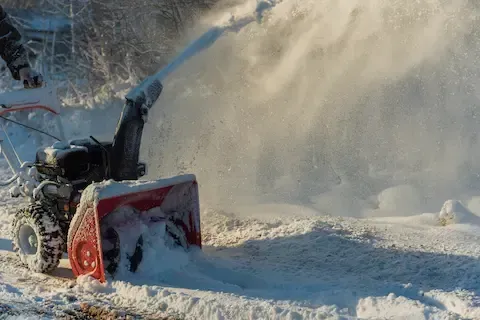
Two-stage snow blowers handle Fort Wayne's varied snow conditions most effectively. These machines break up packed snow and ice while throwing material farther than single-stage alternatives. For driveways longer than 100 feet or wider than two car widths, the investment typically pays dividends during active winter seasons.
Hand tools remain necessary even with mechanical equipment. Wide pusher shovels work well for light accumulations under three inches, while combination scoop-and-push shovels handle varied conditions. Ice chippers become essential during Fort Wayne's frequent freeze-thaw cycles, particularly for removing ice dams that form at driveway aprons where city plowing creates barriers.
Professional services often employ truck-mounted plows combined with walk-behind equipment for detailed work near garage doors and around vehicles. This combination approach handles both bulk removal and precision finishing that ensures complete access and safe walking surfaces.
Proper Snow Placement and Drainage Management
Snow placement strategy significantly affects both immediate clearing efficiency and long-term winter management. Fort Wayne's municipal codes generally permit snow placement on your own property but restrict placement that blocks sidewalks, fire hydrants, or stormwater management features. Understanding these regulations prevents potential conflicts with city services.
Effective placement considers spring melt patterns. Snow piled against foundation walls can create basement moisture issues during thaw periods, while placement in low-lying areas may create temporary flooding. The best practice involves spreading snow across lawn areas where soil absorption handles gradual melting without creating surface water problems.
Allen County's soil composition includes significant clay content that affects drainage patterns around many properties. This makes proper snow placement more critical than in areas with sandy soils that absorb melt water quickly. Avoiding placement over septic systems, drainage tiles, or utility lines prevents disruption of these systems during spring thaw.
Professional services understand local drainage patterns and adjust placement accordingly. They typically spread snow rather than creating large piles, ensuring more even melting and preventing ice dam formation that can affect subsequent storm clearing efforts.
Ice Management and Surface Safety
Fort Wayne's winter climate creates frequent icing conditions that require proactive management alongside snow clearing efforts. Temperature fluctuations around the freezing point can occur multiple times within single storm events, creating layered ice-snow combinations that present both clearing challenges and safety hazards.
De-icing material application timing affects both effectiveness and environmental impact. Pre-treatment before snowfall helps prevent ice bond formation, while post-clearing application ensures safer surfaces. However, Allen County's environmental considerations include protection of the Maumee River watershed, making responsible de-icer use important for local water quality.
Calcium chloride products work effectively at lower temperatures common during Fort Wayne winters, while rock salt becomes less effective below 20 degrees Fahrenheit. Alternative products like magnesium chloride or potassium chloride offer different performance characteristics and environmental profiles, though at higher costs than traditional options.
Professional services often combine mechanical removal with strategic de-icer application, using minimal chemical quantities to achieve maximum safety results. This approach reduces environmental impact while maintaining surface conditions that prevent re-icing between service visits.
Service Planning and Seasonal Preparation
Establishing service arrangements before winter's first snowfall ensures availability during high-demand periods that accompany major storms. Fort Wayne's service providers typically begin accepting seasonal contracts in early fall, with pricing advantages for early commitment compared to per-storm pricing during active weather periods.
Service level options range from basic driveway clearing to comprehensive property management including walkways, steps, and commercial access areas. Understanding your specific needs helps determine appropriate service levels without paying for unnecessary extras while ensuring all critical areas receive attention.
Seasonal contracts often include guaranteed response times during storm events, priority scheduling during high-demand periods, and pricing protection against mid-season rate increases. These benefits provide both cost predictability and service reliability throughout Fort Wayne's variable winter weather patterns.
Communication protocols with service providers should establish clear expectations for timing, completion standards, and emergency procedures. Understanding how professional snow removal is timed in Fort Wayne helps set realistic expectations for service delivery during various storm intensities and weather conditions.
Cost Considerations and Budget Planning
Driveway snow clearing costs in Fort Wayne vary significantly based on service frequency, property characteristics, and seasonal weather patterns. Per-storm pricing typically ranges from moderate fees for standard residential driveways to higher costs for properties requiring special equipment or extended clearing times.
Seasonal contract pricing often provides better value for properties requiring consistent service throughout winter months. These arrangements spread costs across the entire season rather than concentrating expenses during active storm periods when demand peaks affect pricing.
Equipment ownership presents an alternative with different cost structures. Initial investment in quality snow removal equipment can be substantial, but operating costs remain limited to fuel, maintenance, and replacement parts over multi-year periods. This approach works best for property owners comfortable with equipment operation and maintenance responsibilities.
Emergency service calls during major storms typically carry premium pricing due to increased demand and challenging working conditions. Planning ahead with established service relationships helps avoid these higher costs while ensuring availability when conditions demand professional assistance.
Local Weather Monitoring and Preparation
Fort Wayne's weather patterns require active monitoring to optimize clearing timing and preparation efforts. The National Weather Service office in northern Indiana provides detailed forecasts specifically relevant to Allen County conditions, including temperature trends that affect snow characteristics and clearing requirements.
Local television meteorologists familiar with Fort Wayne's microclimates often provide more detailed neighborhood-level forecasting than regional services. Understanding which local sources provide the most accurate information for your specific area helps improve preparation timing and equipment deployment decisions.
Weather monitoring should focus on temperature trends alongside snowfall predictions. Storms beginning with temperatures above freezing but falling during the event require different approaches than those maintaining consistent cold temperatures throughout the duration.
Professional services utilize multiple weather information sources combined with local experience to optimize their response timing and equipment deployment. Homeowners benefit from similar information gathering approaches when managing their own clearing responsibilities.
Closing Perspective
Successful driveway snow clearing in Fort Wayne combines understanding local weather patterns, selecting appropriate timing and techniques, and maintaining realistic expectations about what different approaches can achieve. Whether handling clearing personally or working with professional services, preparation and knowledge of Allen County's specific winter conditions create better outcomes for both safety and cost management.
The investment in proper planning, equipment, or service arrangements pays dividends throughout winter months by reducing stress, ensuring reliable access, and maintaining safe conditions around your property. Fort Wayne's winter weather patterns are predictable enough to plan effectively while variable enough to reward flexible approaches that adapt to changing conditions throughout the season.