De-Icing in Fort Wayne, IN: Winter Products That Work
When winter strikes Fort Wayne, choosing the right de-icing products becomes crucial for maintaining safe walkways and driveways throughout Allen County. With temperatures regularly dropping below freezing and frequent ice storms affecting northeastern Indiana, property owners need reliable solutions that work effectively in local conditions. The wrong choice can damage concrete, harm landscaping, or simply fail when you need it most.
Fort Wayne's winter weather patterns create unique challenges for de-icing. The city experiences frequent freeze-thaw cycles, lake-effect snow from the Great Lakes region, and ice storms that can coat surfaces with thick layers of ice. Understanding which products perform best in these specific conditions helps you make informed decisions for your property's winter maintenance needs.
Rock Salt: The Traditional Standby
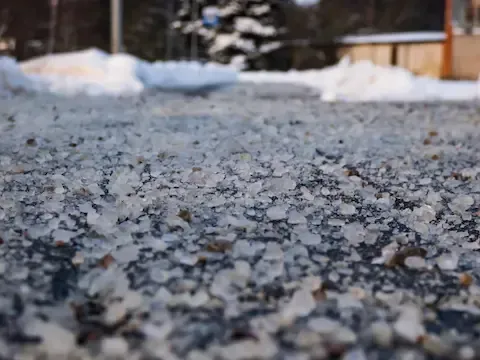
Rock salt remains the most common de-icing choice across Fort Wayne due to its availability and cost-effectiveness. This sodium chloride product works by lowering the freezing point of water, preventing ice formation and melting existing ice when temperatures stay above 15°F. Local hardware stores throughout Allen County stock rock salt in bulk during winter months, making it easily accessible for residential use.
The effectiveness of rock salt depends heavily on temperature conditions. In Fort Wayne's typical winter weather, rock salt performs reliably during most cold snaps. However, during severe Arctic outbreaks that occasionally affect northeastern Indiana, temperatures can drop below rock salt's effective range. When temperatures fall below 15°F, rock salt becomes significantly less effective and may stop working entirely.
Rock salt does present some drawbacks for Fort Wayne properties. It can damage concrete surfaces over time, particularly newer concrete that hasn't fully cured. The salt also harms grass and plants when runoff carries it onto landscaped areas. For properties with decorative concrete or extensive landscaping, these concerns may outweigh rock salt's cost advantages.
Calcium Chloride: Premium Performance
Calcium chloride offers superior performance compared to rock salt, particularly during Fort Wayne's coldest weather. This product works effectively at temperatures as low as -25°F, making it reliable even during the most severe winter storms that occasionally impact Allen County. Unlike rock salt, calcium chloride generates heat when it dissolves, helping to melt ice more quickly.
The heat-generating property of calcium chloride makes it particularly valuable for Fort Wayne properties with steep driveways or areas that don't receive direct sunlight. North-facing surfaces and shaded areas that struggle with ice accumulation benefit significantly from calcium chloride's aggressive melting action. The product also works faster than rock salt, providing quicker results when immediate ice removal is necessary.
Cost considerations make calcium chloride less attractive for large-scale applications. The product typically costs three to four times more than rock salt, which can add up quickly for properties with extensive pavement areas. However, you need less product per application, and the faster action can justify the higher cost for critical areas like entrance walkways and emergency access routes.
Calcium chloride is less damaging to concrete than rock salt and poses fewer risks to vegetation. While not completely harmless, it causes significantly less damage to landscaping when used appropriately. For Fort Wayne properties with mature landscaping or decorative hardscaping, calcium chloride offers a better balance of performance and property protection.
Magnesium Chloride: The Middle Ground
Magnesium chloride provides a compromise between performance and environmental impact that appeals to many Fort Wayne property owners. This product works effectively down to about 5°F, covering most winter conditions experienced in Allen County. It's gentler on concrete and vegetation compared to traditional rock salt while still providing reliable ice melting capability.
The lower corrosion potential of magnesium chloride makes it suitable for properties with metal fixtures, decorative hardware, or vehicles that regularly come into contact with de-icing materials. Fort Wayne homes with decorative iron railings or aluminum siding benefit from this reduced corrosive action. The product also leaves less white residue than rock salt, maintaining a cleaner appearance on dark pavement surfaces.
Performance limitations become apparent during severe cold snaps that occasionally affect northeastern Indiana. When temperatures drop significantly below zero, magnesium chloride's effectiveness diminishes rapidly. Properties that rely solely on magnesium chloride may need backup solutions for extreme weather events.
Potassium Chloride: Plant-Safe Alternative
Potassium chloride offers the most plant-friendly option among traditional de-icing salts, making it attractive for Fort Wayne properties with extensive landscaping. Since potassium acts as a fertilizer, runoff doesn't harm grass and plants the way sodium-based products do. This characteristic makes potassium chloride ideal for properties where environmental impact is a primary concern.
The temperature limitations of potassium chloride restrict its usefulness during Fort Wayne's coldest weather. The product works effectively only down to about 20°F, which covers many winter days but leaves gaps during severe cold spells. Properties using potassium chloride need alternative solutions for extreme weather conditions.
Cost factors make potassium chloride the most expensive traditional de-icing option. The higher price point limits its practical application to small areas or specific situations where environmental protection justifies the additional expense. Many Fort Wayne property owners use potassium chloride selectively on areas near valuable plants while using other products for general pavement treatment.
Liquid De-Icers: Advanced Applications
Liquid de-icing products offer several advantages over granular materials, particularly for proactive ice prevention. These solutions stick to pavement surfaces better than granular products, reducing waste from wind and traffic dispersion. Fort Wayne properties with high pedestrian traffic or frequent vehicle movement benefit from the staying power of liquid applications.
Pre-treatment capability represents the primary advantage of liquid de-icers. Applied before snow and ice events, these products prevent ice from bonding strongly to pavement surfaces. This proactive approach makes removal easier and reduces the amount of product needed overall. Commercial properties in Fort Wayne often use liquid pre-treatment to maintain safer conditions with less labor.
Application equipment requirements limit liquid de-icer accessibility for residential use. Most liquid products require specialized spraying equipment, making them more suitable for commercial applications or properties with professional maintenance services. The initial equipment investment can be substantial for property owners who want to apply liquid de-icers themselves.
Liquid formulations often combine multiple active ingredients to optimize performance across different temperature ranges. These blended products can maintain effectiveness over wider temperature ranges than single-ingredient granular de-icers. However, the complexity and specialized application requirements typically make them more suitable for commercial rather than residential use.
Eco-Friendly Alternatives
Environmental concerns have driven development of alternative de-icing products that minimize ecological impact. Corn-based products and other organic alternatives provide ice melting capability while breaking down naturally without harming soil or vegetation. Fort Wayne properties near waterways or environmentally sensitive areas may benefit from these newer options.
Sugar-based de-icers work similarly to salt products but biodegrade completely. These products appeal to environmentally conscious property owners who want effective ice control without long-term environmental consequences. However, sugar-based products typically cost significantly more than traditional options and may attract wildlife or insects in certain conditions.
Beet juice and other agricultural byproducts have gained popularity as de-icing enhancers. These products are often mixed with traditional salts to improve performance while reducing overall salt usage. The organic components help the mixture stick to surfaces longer and can enhance effectiveness at lower temperatures.
Performance limitations affect most eco-friendly alternatives. While these products work well in moderate conditions, they may not provide adequate protection during severe ice storms or extreme cold events that occasionally impact Fort Wayne. Properties using eco-friendly products often need backup conventional de-icers for emergency situations.
Application Timing and Techniques
Proper timing significantly affects de-icing product performance regardless of which type you choose. Pre-treatment before anticipated ice events provides better results than reactive application after ice has formed. Fort Wayne's weather patterns, with frequent freeze-thaw cycles, make timing particularly important for maintaining consistent ice control.
Temperature monitoring helps optimize de-icing product selection and application rates. Different products have different effective temperature ranges, and using the wrong product for current conditions wastes money and provides poor results. Weather forecasts specific to Allen County help property owners choose appropriate products and application timing.
Application rates vary significantly among different de-icing products. Over-application wastes money and increases environmental impact, while under-application provides inadequate protection. Understanding proper application rates for each product type helps Fort Wayne property owners achieve effective ice control while minimizing costs and environmental consequences.
Spreading techniques affect product performance and longevity. Even distribution ensures consistent coverage and prevents waste. Hand spreading works for small areas, but larger properties benefit from mechanical spreaders that provide more uniform application. Proper calibration of spreading equipment ensures appropriate application rates.
Storage and Handling Considerations
Proper storage extends de-icing product shelf life and maintains effectiveness throughout Fort Wayne's winter season. Most de-icing salts absorb moisture from the air, which can cause clumping and reduced flowability. Dry storage in sealed containers prevents moisture absorption and maintains product quality.
Temperature effects on stored products vary among different de-icing materials. While most products remain stable across typical storage temperatures, liquid formulations may require protection from freezing. Fort Wayne's variable winter temperatures make proper storage location important for maintaining product readiness.
Safety considerations include proper handling procedures and protective equipment. Many de-icing products can irritate skin and eyes, requiring gloves and eye protection during application. Ventilation becomes important when storing large quantities of de-icing products in enclosed spaces.
Inventory management helps ensure adequate supplies throughout the winter season. Fort Wayne's unpredictable weather patterns can create sudden demand spikes that strain local supply chains. Stocking sufficient quantities early in the season prevents shortages during critical periods.
Local Weather Considerations
Fort Wayne's location in northeastern Indiana creates specific weather challenges that affect de-icing product selection. Lake-effect snow from the Great Lakes can create heavy, wet snow conditions that require different treatment approaches than dry powder snow. Understanding local weather patterns helps optimize de-icing strategies.
The Maumee River's influence on local microclimates affects ice formation patterns across different areas of Allen County. Properties near the river may experience different freezing and thawing patterns than those in other parts of Fort Wayne. These variations influence optimal de-icing product choices and application timing.
Urban heat island effects in downtown Fort Wayne create warmer conditions than surrounding suburban and rural areas. Properties in the city center may require less aggressive de-icing approaches than those in outlying areas. Understanding these microclimate differences helps optimize product selection for specific locations.
Historical weather data for Fort Wayne shows average winter temperatures that favor certain de-icing products over others. While extreme cold events occur periodically, most winter days fall within temperature ranges where multiple product options remain effective. This climate pattern influences cost-benefit analyses for different de-icing strategies.
Professional Application Services
Professional snow and ice management services in Fort Wayne offer expertise in product selection and application that many property owners find valuable. These services understand local conditions and have experience with different products' performance characteristics. For properties with complex layouts or critical access requirements, professional services provide reliable solutions.
Equipment advantages make professional services more efficient for large properties. Commercial-grade spreaders and liquid application systems provide more precise control and better coverage than residential equipment. Professional services also maintain backup equipment and supplies to ensure consistent service during severe weather events.
Liability considerations make professional services attractive for commercial properties and rental properties where slip-and-fall risks create significant legal exposure. Professional services carry insurance and understand proper application procedures that minimize risk while maintaining effective ice control. Documentation of professional treatments can support liability protection efforts.
Cost analysis should consider both direct service fees and avoided equipment purchases when evaluating professional services. Small properties may find professional services cost-effective when equipment purchases and storage costs are factored into comparisons. De-Icing services can provide consistent results without the hassle of product selection and application.
Closing Perspective
Effective de-icing in Fort Wayne requires matching product characteristics to local weather conditions, property requirements, and environmental concerns. Rock salt provides economical protection for most conditions, while calcium chloride offers superior performance during extreme cold. Eco-friendly alternatives serve properties where environmental impact takes priority over cost considerations.
Successful winter property maintenance combines appropriate product selection with proper application timing and techniques. Understanding Fort Wayne's specific weather patterns and microclimate variations helps optimize de-icing strategies for individual properties. Whether choosing DIY approaches or professional services, informed decisions lead to safer conditions and better value throughout Allen County's challenging winter months.